Tadany Um refúgio para a alma e um convite à consciência.

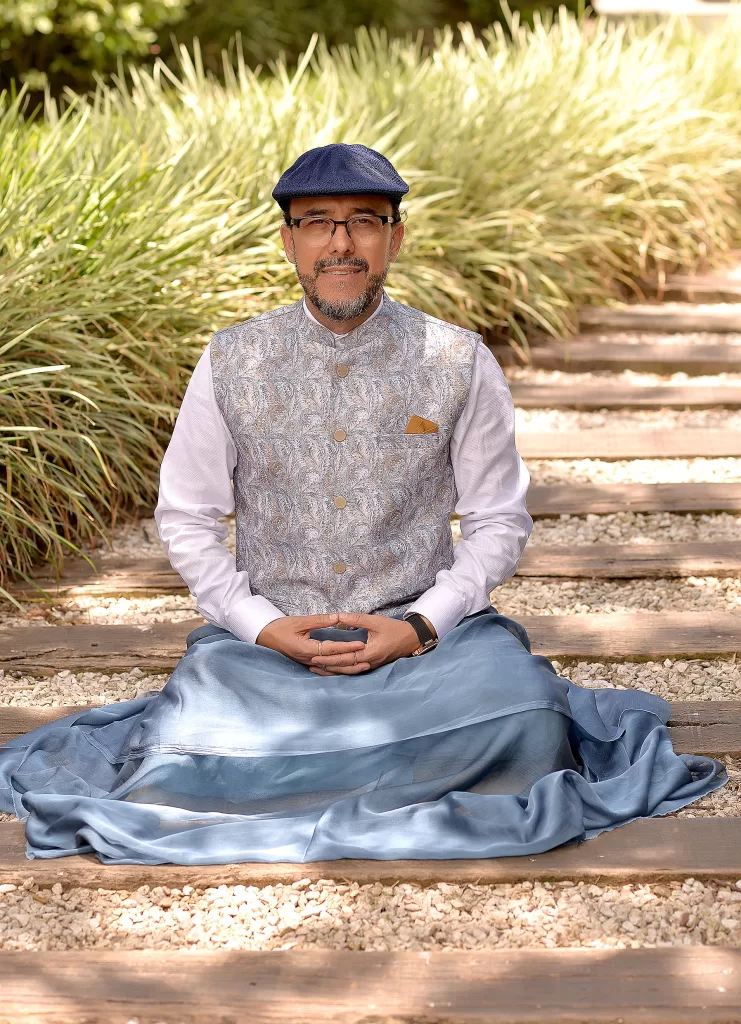
In this profound and clarifying class, Acharya Tadany addressed key questions about the subtle mechanics of death and the nature of Vedāntic knowledge while completing the overview of the 11 subdivisions of the material aspect (anātmā), emphasizing that udāna prāṇa (the upward-moving vital energy) is the specific force described in the Vedas as responsible for detaching the subtle body (sūkṣma śarīram) from the gross body at death, analogous to the prasūti maruta (birthing wind) that expels the baby during natural delivery—knowledge accepted through śabda pramāṇa (scriptural authority) and logical consistency rather than empirical verification.
Acharya Tadany powerfully clarified that Vedānta is not blind faith but a valid means of knowledge (pramāṇa) open to rigorous inquiry, questioning, and reflection through śravaṇam (listening), mananam (reflection), and nididhyāsanam (meditation), distinguishing between ritual prescriptions (karma kāṇḍa) that require precise execution, philosophical teachings that demand deep thinking, and belief-based elements that should still be examined for logic and purpose.
Acharya Tadany warned against the modern tendency to dismiss scriptural statements superficially (a trend even among some contemporary teachers), stressing that partial or misplaced understanding is as harmful as ignorance, and highlighted Vedānta’s unique nuance: it contains no absolute commandments (“must do” / “must not do”), instead offering contextual wisdom where intention and circumstance determine right action (illustrated by a parent pulling a child’s hair to save them from a car—technically forceful, yet ultimately compassionate).
The class recapped the three bodies and five sheaths as complementary classifications of the same material reality, and reiterated the three fundamental powers (śakti trayam): kriyā śakti (action) in prāṇamaya kośa, icchā śakti (desire) in manomaya kośa, and jñāna śakti (knowledge) in vijñānamaya kośa—blessings of the Divine that drive human life in the cycle of knowing → desiring → acting, with the unique human capacity for refined, sophisticated desires setting us apart from animals and carrying the responsibility to direct them toward mokṣa through viveka (discriminative intelligence).