Tadany Um refúgio para a alma e um convite à consciência.

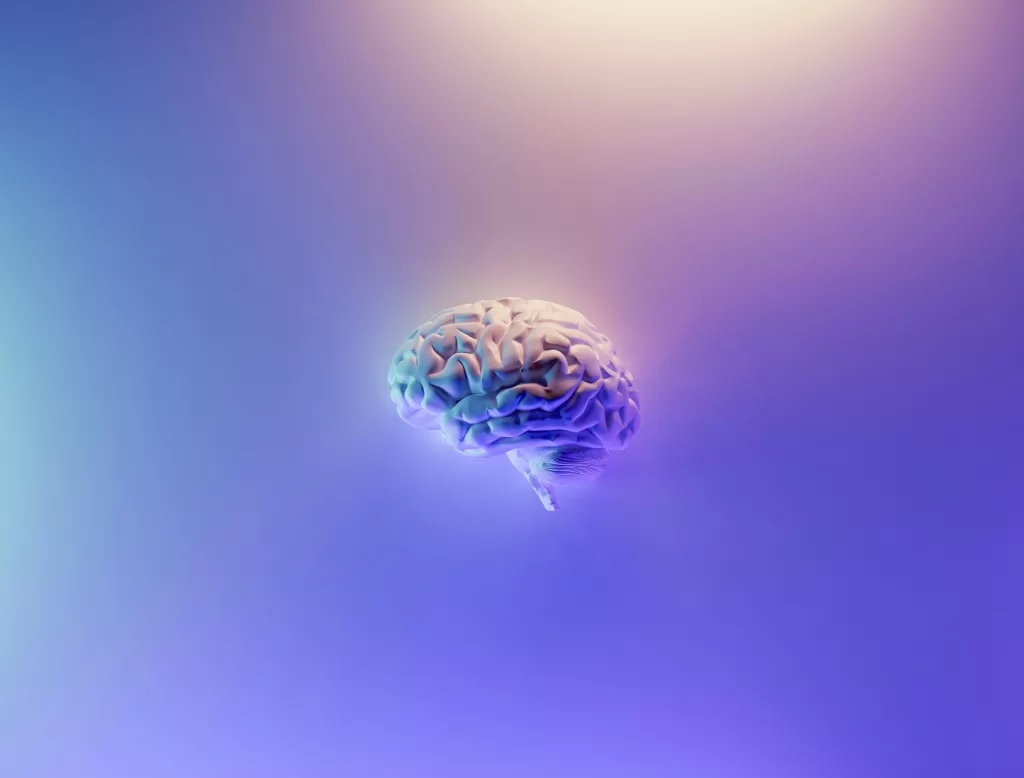
More and more, people no longer pause to critically review what is being generated in their names. People are unquestioningly accepting what machines produce as if semantically correct sentences were the same as wisdom or creativity, as if speed were a substitute for imagining, creating and understanding
Acharya Tadany.
Meditation on Technology.
Pune, 18 Jan 2026.
We live in an age where creation has become effortless, instant, lightning bolt speed. However, our capacity to think about things, ponder on topic and reflects on ideas is proportionally deteriorating, perhaps becoming rare.
Essentially, just a simple prompt, words abound, images flourish, and ideas form, Yet, in this apparent abundance, we must be aware of the fact that something subtle is being lost.
And what is that?
More and more, people no longer pause to critically review what is being generated in their names. People are unquestioningly accepting what machines produce as if semantically correct sentences were the same as wisdom or creativity, as if speed were a substitute for imagining, creating and understanding.
In other words, sadly, the act of discerning, of questioning, refining, and taking responsibility for one’s own expression is quietly and quickly fading.
When we observe history, in the past, creation demanded full presence. One had to think, revise, err, and mature along the way. It is the natural flow of life. Whenever I review my own thoughts written decades ago, immediately I am struck by the naivety, the simplicity, the lack of flow and the need for more connections to make it more understandable.
Now, when I say it, I am not stating that the danger we face is the content generation of AI, rather I fear that our natural intelligence is being cripple by our laziness, for example, when reflection and thinking is constantly outsourced, awareness and learning diminish, even though what is produced may be efficient and useful, it may be emptied of truth and meaning.
Having said that, from the perspective of wisdom, tools are never the problem, we are all for technology and development. However, the problem arises when the tool begins to think for the one who should be thinking. In other words, without Viveka (discernment) knowledge becomes a parroting noise, and creation becomes poor imitation.
Therefore, in our tradition, true intelligence is not measured by how much can be generated, or how much can be shared, but by how deeply one perceives, assimilates, and lives up to it. And these traits require stillness, responsibility, and the courage to ask: Does this truly reflect what I understand, or have I merely allowed myself to be represented by an algorithm?
In other words, in Vedānta, knowledge is not what is accumulated, but what is assimilated because that which is not studied, examined and assimilated, does not liberate, even if it is correct, practical and meaningful. Essentially, a mind that merely repeats, whether human or artificial, remains bound, weak and enslaved.
So, may out infinite capacity for learning serve the awareness of our own purnatvam (wholeness) while the tools and technologies remain tools.
In summary, may our human mind not forget its sacred duty, to perceive, to inquire, to create, to invent, to interact and, most importantly, to know what alone is real.
Photo by Milad Fakurian on Unsplash