Tadany Um refúgio para a alma e um convite à consciência.

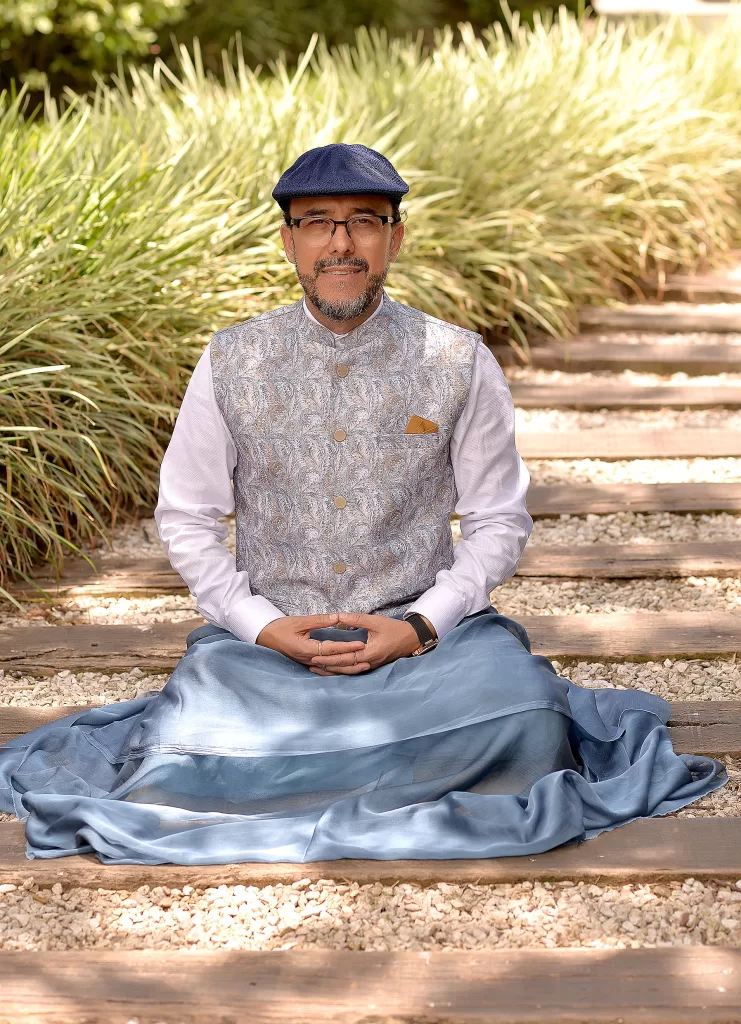
Bhagavad-Gita_भगवद्-गीता_Chapter-2_AI-Summary_Class-28_Acharya-TadanyIn this foundational and psychologically penetrating class on Chapter 2, Acharya Tadany introduced the core theme of the Bhagavad Gītā as the solving of the universal human problem.
And what is the fundamental human problem?
It is the inseparable triad of rāgaḥ (attachment to people, objects, and outcomes), śokaḥ (sorrow from loss, disappointment, and unfulfilled desires), and mohaḥ (internal and external conflict/delusion), a condition that cannot be resolved by manipulating external circumstances (changing jobs, relationships, locations, or possessions), as these offer only temporary relief while the root cause, emotional dependency and misidentification with the body-mind, remains unaddressed.
Acharya Tadany explained that Arjuna has reached a critical juncture: he has discovered this fundamental crisis but is still attempting to solve it independently, trapped in an impossible binary choice between fighting a righteous war (dharma yuddha) and killing beloved teachers and relatives (violating personal love) or abandoning his kṣatriya duty (svadharma) and living as a forest beggar (itself adharma, a betrayal of his essential nature and social responsibility).
This paralysis stems from his confusion between dharma and adharma, muddled by emotional turmoil and attachment, leading him to propose an equally flawed solution (begging).
Meanwhile, Krishna’s deliberate silence and patient waiting are strategic: He allows Arjuna to fully express, exhaust, and eventually doubt his own confused judgment, because forced wisdom cannot penetrate a mind still clinging to wrong decisions.
Acharya Tadany emphasized a timeless principle: genuine spiritual progress begins only when the seeker acknowledges complete helplessness, intellectual limitation, and the need for external guidance from a qualified teacher; without this humility and surrender, no real transformation is possible.
The class framed Arjuna’s crisis as the universal condition of saṁsāra — the cycle of birth, death, and rebirth characterized by attachment, sorrow, and confusion — and positioned Krishna’s forthcoming teachings as the solution to the fundamental human condition itself, not just a battlefield dilemma.