Tadany Um refúgio para a alma e um convite à consciência.

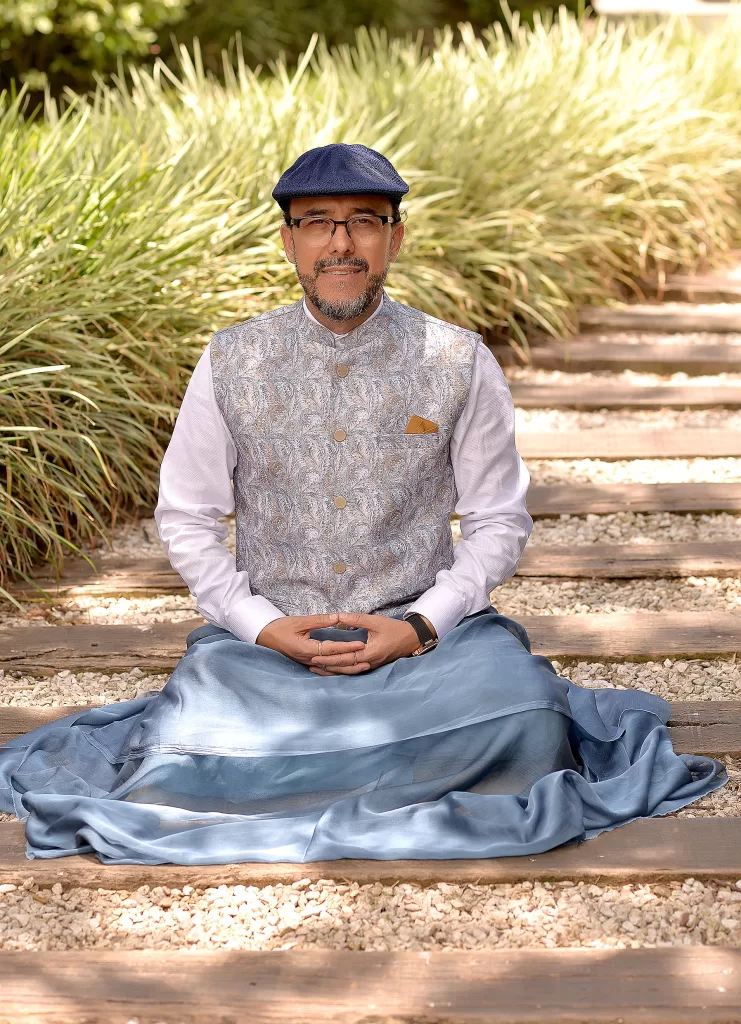
Bhagavad-Gita_भगवद्-गीता_Ch4_AI-Generated-Summary_Class-166_Acharya-TadanyIn this illuminating and corrective class, Acharya Tadany offered a detailed, three-perspective exploration of the varṇa system as presented in the Bhagavad Gītā, clarifying that it is not a rigid birth-based hierarchy but a sophisticated, dynamic framework for understanding human nature and social organization through three interconnected lenses:
(1) guṇa (character-based division) — rooted in the three fundamental qualities (sattva predominant in brāhmaṇa for wisdom and purity, rajas predominant in kṣatriya for courage and action, rajas with minimal sattva in vaiśya for enterprise and economic activity, tamas predominant in śūdra for steady service);
2) karma (profession-based division) — determined by actual occupation and contribution (intellectual/spiritual work, administrative/protective roles, commercial/agricultural enterprise, supportive labor), which may or may not align with one’s inherent guṇa;
(3) jāti (birth-based lineage) — the most commonly recognized but least essential aspect, serving only as an initial social context rather than a fixed determinant of worth or role.
Acharya Tadany emphasized the śāstra’s core principle that all professions are equally valuable — no varṇa or work is superior, each is indispensable like organs in a body — and strongly rejected any notion of birth-based superiority, stressing that true dignity lies in contribution, character, and ethical conduct regardless of jāti, guṇa, or karma.
Acharya Tadany addressed modern misalignments (e.g., someone born in one jāti but possessing qualities and performing work of another) as natural and acceptable, and highlighted contemporary relevance: the need for ethical governance (kṣatriya), respect for teachers (brāhmaṇa), value for all roles, and recognition that corruption or disrespect arises from ignoring guṇa-karma alignment, not from the system itself.
The class connected these ideas to Gītā Chapter 14’s deep exploration of the guṇas (to be covered later), concluding that when properly understood, the varṇa system fosters mutual respect, interdependence, and social harmony while affirming the inherent dignity and spiritual equality of every individual.