Tadany Um refúgio para a alma e um convite à consciência.

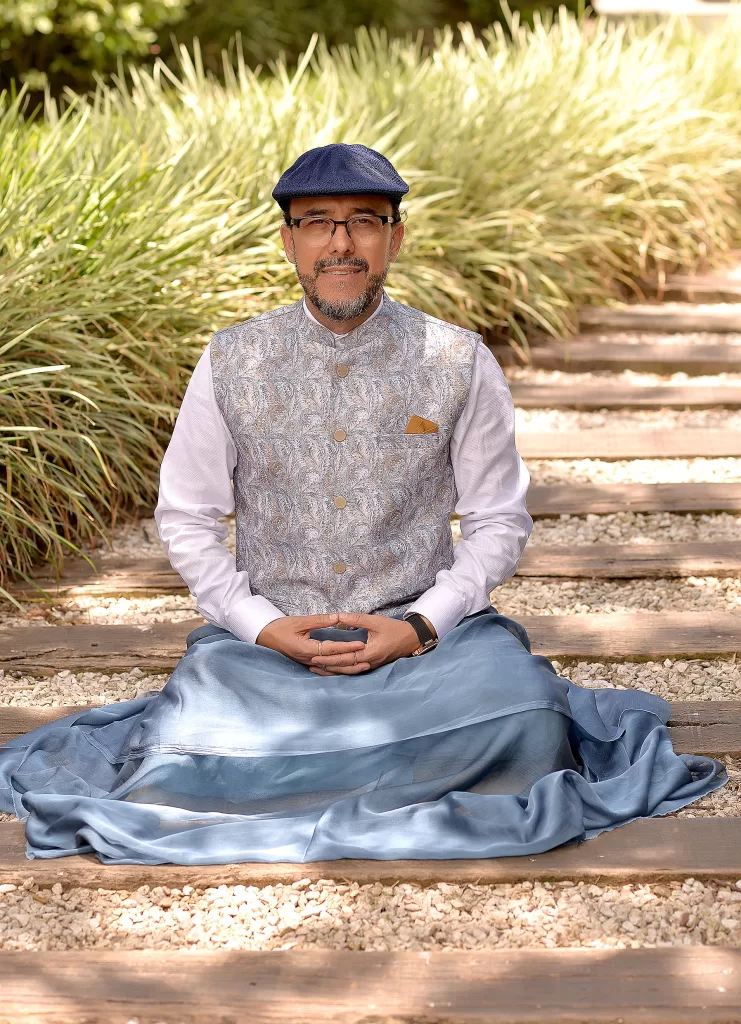
Bhagavad-Gita_भगवद्-गीता_Ch4_AI-Generated-Summary_Class-169_Acharya-TadanyIn this deeply practical and liberating continuation on varṇadharma, Acharya Tadany outlined the Vedic principles of career and profession selection through the three key determinants
jāti (birth/lineage, predetermined and immutable, providing cultural starting point but no spiritual weight),
guṇa (inherent qualities/talents/temperament, fully malleable through effort and offering true choice),
and karma (actions/profession/duties, partially chosen but constrained by circumstances)
highlighting two valid paths:
(1) following jāti (traditional/family profession) for early training, mentorship, stability, and social acceptance, though risking misalignment and dissatisfaction if it conflicts with inner nature;
and (2) following guṇa (personal inclination/talents) for fulfillment, passion, excellence, and authenticity, though involving uncertainty, delayed expertise, and possible social resistance.
Acharya Tadany noted the historical shift: in Krishna’s era, jāti and karma were often synonymous (birth determined profession), but in Kali Yuga greater flexibility exists, allowing talent-based choices.
Acharya Tadany strongly warned against money as the primary career driver — causing oversupply in lucrative fields, undersupply in essential/traditional roles, loss of cultural heritage, and widespread misalignment with svabhāva (inherent nature) — and reiterated Krishna’s teaching: one cannot escape svabhāva and its duties (as Arjuna could not abandon kṣatriya dharma), but the Lord ensures appropriate results, so perform actions skillfully while remaining detached from outcomes.
He distinguished planning (conscious, empowering, present-focused, solution-oriented) from worrying (mechanical, disempowering, future-focused, problem-obsessed) — they cannot coexist — and presented knowledge (jñāna) as Sudarśana Chakra-like protection, enabling inner freedom (witness consciousness) while fulfilling external responsibilities (gṛhastha path over escapist saṃnyāsa).
Acharya Tadany concluded that ancestors balanced worldly duties with inner peace through self-knowledge, offering a timeless framework for modern life: honor tradition when it serves, follow calling when it aligns, refine character always — mokṣa is open to all through guṇa, not birth or wealth.