Tadany Um refúgio para a alma e um convite à consciência.

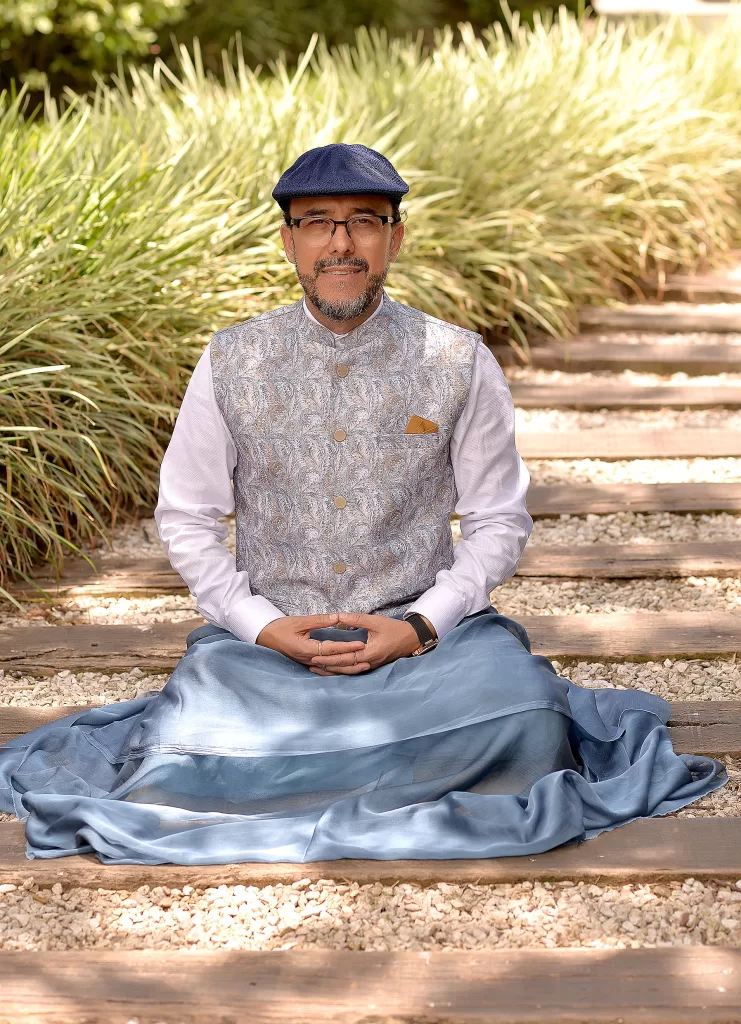
Bhagavad-Gita_भगवद्-गीता_Ch6_AI-Generated-Summary_Class-204_Acharya-TadanyIn this clear and progressive class on Dhyāna Yoga, Acharya Tadany provided a detailed, step-by-step explanation of the three inner stages of meditation (antaraṅga sādhana) as taught in Patañjali’s Ashtaṅga Yoga and reflected in the Bhagavad Gītā:
dhāraṇā (concentration) — the foundational effort to fix the mind on a single chosen object (iṣṭa deity or spiritual concept), requiring repeated redirection of the wandering mind like gently guiding a restless child back to focus;
dhyāna (meditation) — the deepening stage where concentration becomes steady and effortless, with an unbroken flow of awareness toward the object, gaining natural momentum like a bicycle continuing forward after pedaling stops due to repeated practice;
and samādhi (absorption) — the culminating state of complete integration where the subject-object distinction dissolves into unity, illustrated by salt fully merging into water (no separation remains) or a photographer becoming so absorbed in the scene that self-awareness fades, resulting in pure, non-dual awareness.
Acharya Tadany emphasized that Vedic meditation is always spiritually oriented (focused on the Divine or Self), involves directing thoughts toward the spiritual rather than eliminating them, and progresses naturally from effortful focus to effortless flow to total absorption (samyama when the three are combined).
Acharya Tadany concluded by noting that Krishna will elaborate further on dhyāna svarūpam (the true nature of meditation) in upcoming verses, underscoring the importance of consistent practice to transform the restless mind into steady, liberating awareness.