Tadany Um refúgio para a alma e um convite à consciência.

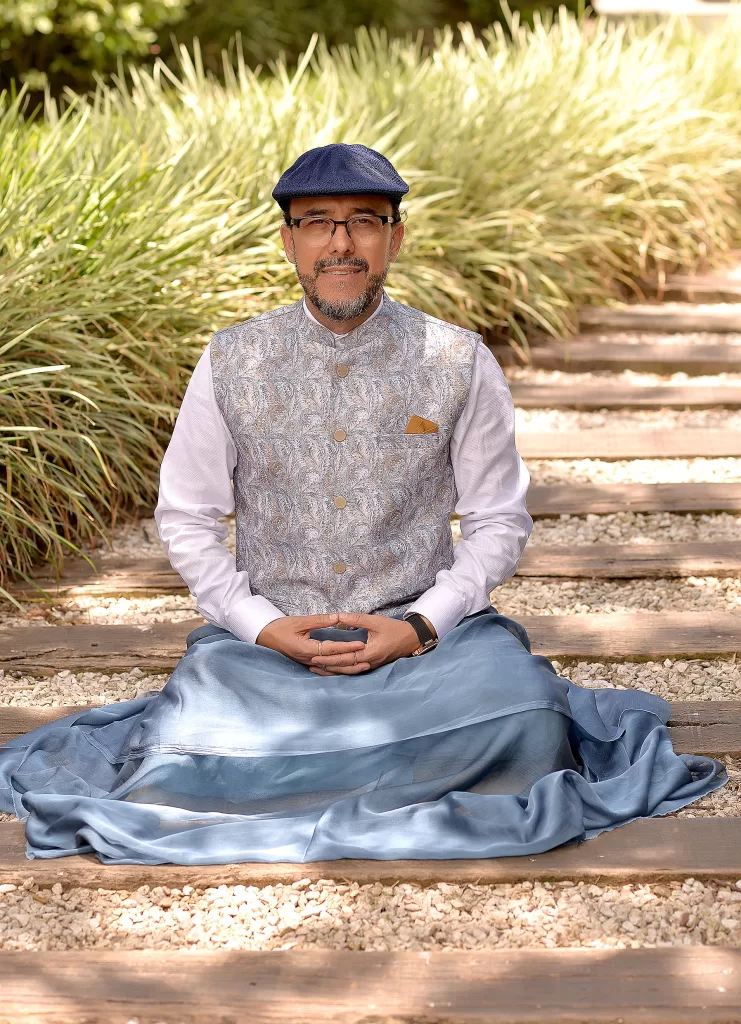
Bhagavad-Gita_भगवद्-गीता_Ch6_AI-Generated-Summary_Class-207_Acharya-TadanyIn this precise and foundational class on Dhyāna Yoga, Acharya Tadany introduced Vedāntic meditation as taught in the Bhagavad Gītā — a systematic practice of maintaining a continuous flow of similar thoughts (sajātīya pratyaya pravāhaḥ or eka-rūpa vṛtti pravāhaḥ) exclusively focused on the nature of ātman (Self), such as its consciousness (ātma-caitanya), essential nature (svarūpa), eternality (anitya), and other attributes described in Chapter 2, verses 12–15 — distinguishing it from other meditation forms that may use deities, breath, or mantras.
Acharya Tadany emphasized that authentic Vedāntic meditation is impossible without proper preparation: systematic study of Vedānta under a competent guru to gain clear intellectual understanding of ātman’s features before practice, as mere concentration without this foundation lacks direction; non-Vedāntic students can begin with accessible alternatives like mental pūjā while progressing toward Self-inquiry.
Acharya Tadany outlined the three stages of meditation: dhāraṇa (initial effort to collect scattered thoughts and develop concentration), dhyāna (intermediate absorption with awareness of distinction between meditator, meditation, and object), and samādhi (final spontaneous absorption where the three-fold division dissolves into unified experience) — a gradual, incremental journey from effortful focus to effortless absorption.
Acharya Tadany highlighted two of the seven definitions of samādhi studied today:
(1) mental absorption in the object of meditation,
and (2) continuous flow of similar thoughts — underscoring that Vedāntic meditation uniquely directs this flow toward Self-nature, creating a steady stream of Self-related contemplation.
The class concluded that the journey from scattered mind to nirvikalpa samādhi requires patience, proper guidance, and sustained effort, with intellectual clarity preceding practice to ensure authentic progress toward realizing oneself as pure consciousness.