Tadany Um refúgio para a alma e um convite à consciência.

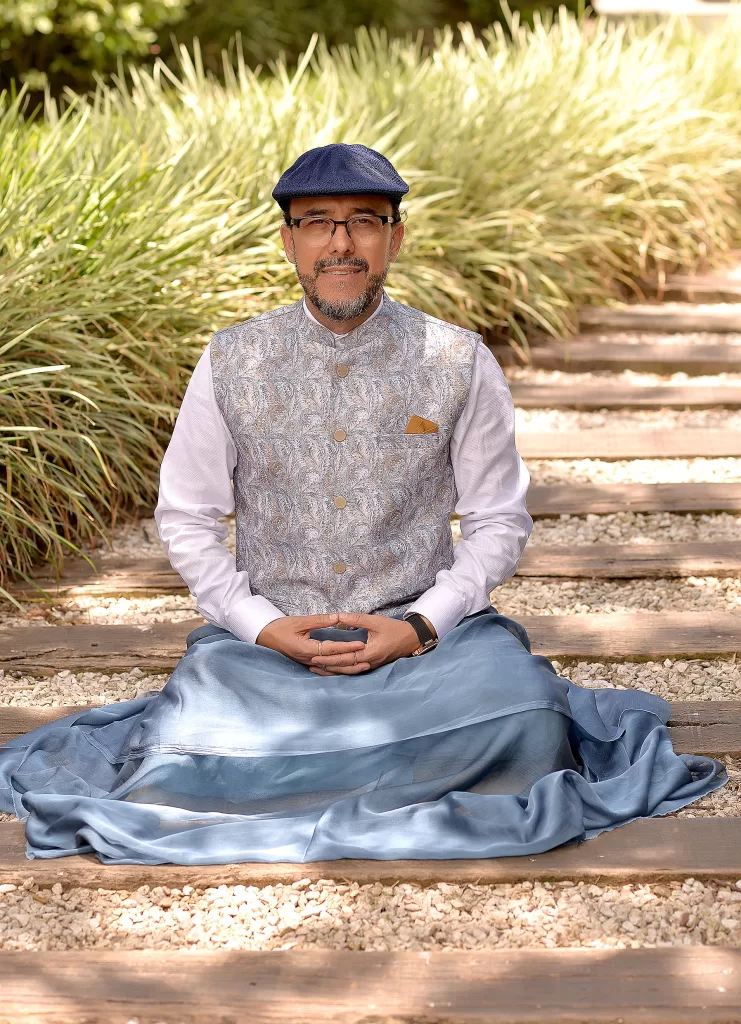
Bhagavad Gītā Chapter 6 – Class 213 Summary
The Gradual Path of Meditation & Focused Abidance in Ātmā
Acharya Tadany | March 31, 2026
In this practical and clarifying session on Dhyāna Yoga, Acharya Tadany emphasized that true meditation is a systematic, gradual process rather than a sudden leap into higher states of consciousness.
The Gradual Withdrawal Process
Meditation follows a clear progression from gross to subtle:
1. Withdrawal from the external world — Reducing identification with objects, sensory experiences, and worldly distractions.
2. Withdrawal from the body — Letting go of physical awareness and sensations.
3. Withdrawal from the mind — Witnessing mental activities and thoughts without getting entangled in them.
4. Settling into pure consciousness (ātmā) — Deliberately entertaining the attributes and nature of one’s true Self.
Key Principle: One cannot skip stages. Meditation must be practiced step-by-step with patience and consistency.
Maintaining Willpower and Alertness
Throughout the process, two essential qualities must be cultivated:
– Willpower — The determination to continue the practice even when the mind resists.
– Alertness — Remaining consciously aware without slipping into dullness or sleep.
These qualities prevent both abandonment of practice and loss of awareness.
Focused Thought on Ātmā Svarūpam
The heart of the practice is deliberate thought on one’s true nature:
– Actively entertain thoughts centered on ātmā svarūpam (the nature of pure consciousness).
– Gently but firmly exclude distracting or worldly thoughts that pull attention away.
– Maintain continuous focus on the consciousness principle.
Acharya Tadany stressed the importance of proper Vedānta education so that the practitioner clearly understands key concepts such as:
– Nirguṇa — Attributeless ultimate reality
– Ātmā svarūpam — One’s true nature as pure consciousness
– Niṣkala — Without parts, indivisible
– Nitya — Eternal, timeless
– Nirañjana — Untainted, pure
– Nirākāra — Formless
These concepts provide the proper content for meditation and prevent vague or incorrect practice.
Meditation Beyond Formal Sitting
Meditation is not limited to seated practice. Acharya Tadany gave the example of attending Vedānta classes: even while listening, the mind can remain anchored in ātmā svarūpam without wandering into other thoughts or personalities. This shows that true meditation can be integrated into daily spiritual activities.
Key Takeaways
1. Meditation is a gradual, systematic withdrawal from gross to subtle levels — do not skip stages.
2. Maintain willpower and alertness throughout the practice.
3. Deliberately focus the mind on ātmā svarūpam while gently redirecting distractions.
4. Proper understanding of Vedāntic concepts (nirguṇa, nitya, niṣkala, etc.) is essential for effective meditation.
5. Meditation can be practiced not only in formal sitting but also during study, listening, and other daily activities.
This class beautifully bridges theory and practice, showing that meditation on ātmā is both a disciplined process and a natural way of being that can be cultivated throughout the day.
Hariḥ Om
Acharya Tadany