Tadany Um refúgio para a alma e um convite à consciência.

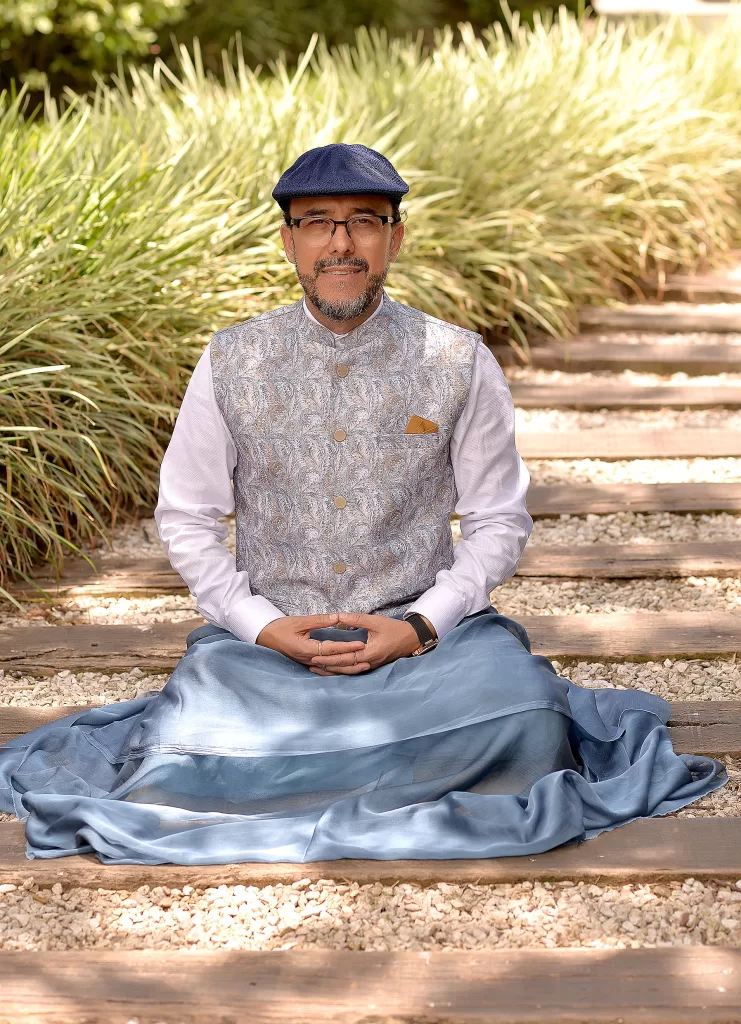
Vivekacuḍamaṇi_विवेकचूडामणि_Classes_AI-Generated-Summary_Class-104_Acharya-TadanyIn this foundational class on the causal body (kāraṇa śarīraṁ), Acharya Tadany completed the exposition of the three bodies (śarīra-trayam) by introducing kāraṇa śarīraṁ (verses 108–123) as the unmanifest, beginningless seed condition (avyakta) from which both the gross (sthūla) and subtle (sūkṣma) bodies emerge during creation (sṛṣṭi) and into which they dissolve during cosmic dissolution (pralaya), operating on the principle that matter/energy is never created or destroyed but only transforms between manifest (vyakta) and unmanifest (avyakta) states, forming an eternal, beginningless and endless cycle (anādi-ananta).
Acharya Tadany emphasized that at the causal level, the distinction between individual (vyaṣṭi) and cosmic (samaṣṭi) disappears—hence kāraṇa śarīraṁ (individual) and kāraṇa prapañca (cosmic) are treated synonymously in Vivekacūḍāmaṇi, also called avidyā (individual non-substantial existence), māyā (cosmic power), and paramēśa-śaktiḥ (supreme power located in consciousness).
Acharya Tadany used the profound reversal of science: while science sees matter as fundamental and consciousness as a temporary brain phenomenon, Vedānta declares consciousness as the eternal substance and matter as non-substantial name-and-form (avidyā), existing only dependently upon consciousness, with creation being merely the manifestation of potential existence (illustrated by the room, sand/peanut, and desk examples).
The class concluded by stressing the technical precision of terms like avidyā (not ordinary ignorance but dependent, non-independent existence) and invited students to reflect on deep sleep as experiential evidence of the unmanifest causal state where distinctions vanish, preparing the mind for the direct understanding of the eternal ātmā beyond all three bodies.