Tadany Um refúgio para a alma e um convite à consciência.

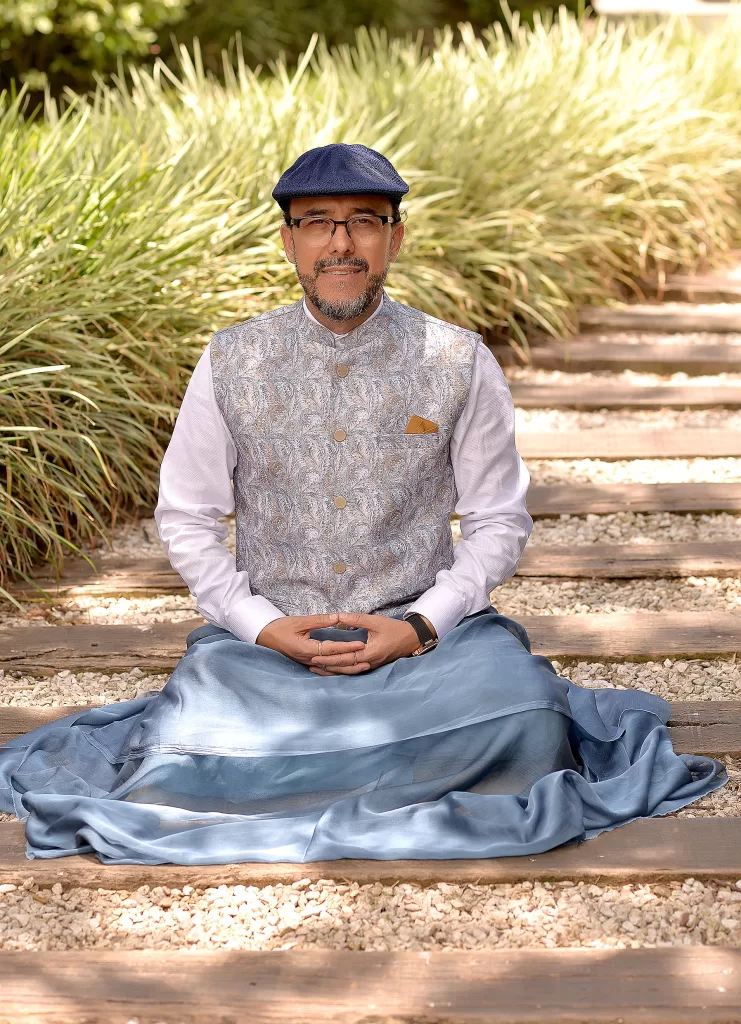
In this insightful Class 111 on Vivekacūḍāmaṇi (March 4, 2026), Acharya Tadany explored verse 112, where Śaṅkarācārya details the destructive traits of rajo guṇa (the “and so forth” from verse 111), listing key unhealthy qualities that bind the mind and obstruct spiritual progress:
Unhealthy Traits of Rajo Guṇa
Kāmaḥ (desire/lust)
Krodhaḥ (anger)
Lobhaḥ (greed)
Dambhaḥ (pretentiousness/arrogance/showing off)
Asūyā (fault-finding/wrong criticism)
Ahaṅkāraḥ (egoism/selfishness)
Īrṣyā (envy/unhealthy jealousy/competition)
Focus on Dambhaḥ (Pretentiousness)
Śaṅkarācārya describes dambhaḥ as “dharma-dvajatvam” — raising a flag of self-importance, like planting one on a mountain peak to declare “I am here.” It involves broadcasting one’s “greatness” through words, actions, or displays to demand respect and admiration.
Examples
Publicizing donations, charity, or good deeds with photos, posts, selfies, or awards on walls
Constantly declaring noble actions for praise
Śāstra’s Guidance
Noble deeds should remain hidden — never advertised. Declaring them neutralizes puṇya (merit). Even when praised by others, humbly downplay: “It’s nothing special.” True charity is silent and selfless.
Deep Dive into Asūyā (Fault-Finding)
Often mistranslated as mere “jealousy,” asūyā truly means wrong criticism or the “proofreading personality” — habitually spotting flaws in others’ good character, deeds, or intentions, interpreting positives negatively.
Examples
Dismissing a donation: “It’s just for show/recognition.”
Criticizing a Vedānta teacher: “He’s only after more students, prostrations, and guru-pūjā.”
Why It’s Harmful?
True intentions are invisible; we can’t know another’s heart.
We have no right to judge noble actions unless clearly proven otherwise.
This attitude blocks self-growth (Krishna calls it a major obstacle in Bhagavad Gītā Ch. 13+).
Anasūyā — absence of fault-finding — is praised as an ideal student quality at the Gītā’s end.
Asūyā in Śāstra Study
Fault-finding extends to scriptures:
Seeking only defects/controversies (e.g., rejecting Rāmāyaṇa over Rāma-Vali incident or Mahābhārata over one issue).
Missing profound teachings → the seeker loses most.
Proper Approach
Progressive study: Understand gradually; controversial parts clarify later.
Use six-fold method for tātparya (true intent): Upakrama-upasaṃhāra (beginning-end harmony), Abhyāsa (repetition), Apūrvatā (novelty), Phala (result), Arthavāda (eulogy), Upapatti (logic).
Treat some stories symbolically/exaggerated (like cartoon analogies), not literally.
Mahābhārata’s Profound Lesson on Dharma
Dharma is relative — no absolute good/bad, dharmic/adharmic.
Karṇa shows virtues on the “wrong” side.
Yudhiṣṭhira (Dharmarāja) has flaws.
Initial teaching exaggerates absolutes for beginners; mature view sees complexity.
Psychological Insight
Idealism (“I’m/they’re absolutely good/bad”) breeds guilt, inferiority, self-judgment. No one escapes rāga-dveṣa, kāma, krodha entirely. Celebrate progress instead (e.g., anger outbursts reduced from monthly to bi-monthly → “Well done! Keep growing.”).
Eternal Debates (e.g., Vibhīṣaṇa vs. Kumbhakarṇa; Kaikeyī’s motives)
Highlight dharma’s gray areas — family loyalty vs. truth; personal vs. universal good. No simple answers; both sides arguable.
Driving School Analogy (Sw. Dayānanda)
Śāstra gives broad norms/guidelines/examples, not exhaustive rules for every situation (impossible, especially in chaotic “Indian traffic” of life). Learn basics, then apply discretion wisely.
Ideal Attitude for Śāstra Study
Openness, receptivity, learning, improvement.
“Chew the sugarcane for juice; spit out the rest” — take nourishing essence, set aside what isn’t useful yet.
Avoid judgmental fault-finding; cultivate anasūyā — no criticism of characters/teachings.
This class warns against rajo-guṇa’s binding traits (especially dambhaḥ and asūyā) and invites a mature, non-idealistic, growth-oriented approach to life and śāstra — leading to true viveka and freedom.
Hariḥ Om
Acharya Tadany