Tadany Um refúgio para a alma e um convite à consciência.
To seek shelter in these moments is to recognize the limits of control and to respect the intelligence of time itself.
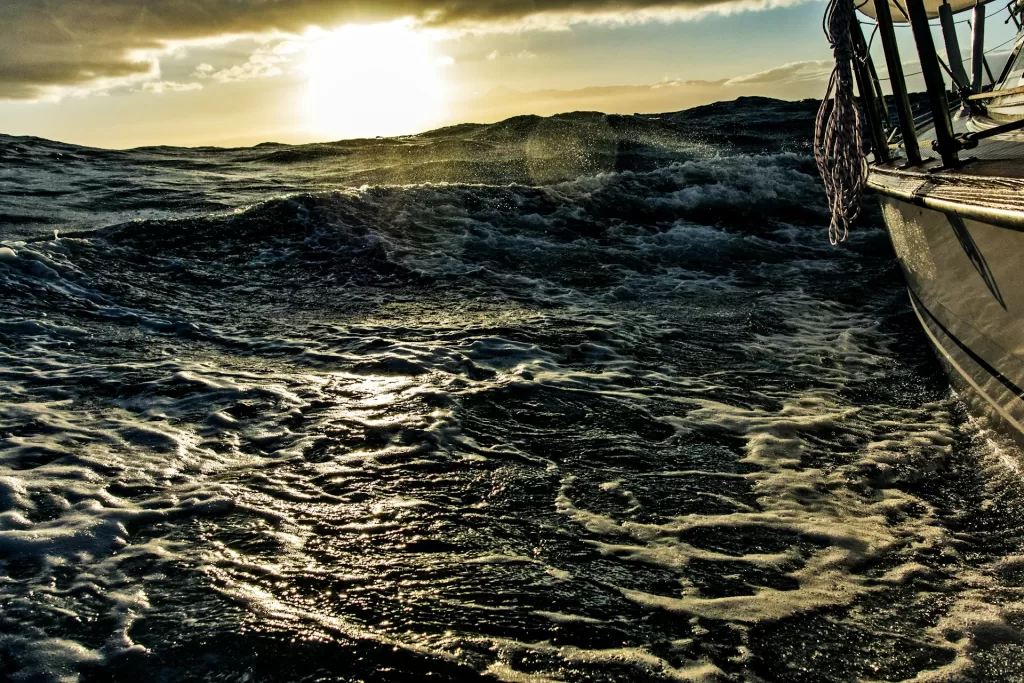
There are moments when wisdom does not demand action, but restraint. For example, in the presence of a violent storm, the most intelligent response is often withdrawal, and it is not as an act of fear, but of discernment. To seek shelter in these moments is to recognize the limits of control and to respect the intelligence of time itself. Otherwise, any attempt to confront the storm directly may result in consequences that exceed our capacity to manage them.
Life unfolds in much the same way because human existence continuously places us before unstable conditions in all aspects, be it emotional, psychological, relational, or existential. Therefore, the essential question is not whether to endure hardship, but when endurance becomes recklessness and when retreat becomes clarity. Consequently, true judgment lies in knowing when to stand firm and when to pause within a protective refuge.
Patience, in this sense then, is not a passive waiting. It is an active alignment with reality, it is a conscious suspension of impulse in favor of understanding. It is the capacity to remain inwardly steady while external forces rage, attack, confront and, somehow, reorganize themselves.
Thus, life teaches that patience is not a weakness, nor a delay, but wisdom in repose. It is a silent strength that allows order to reemerge without violence.
In other words, at times, patiently waiting is the most profound act of intelligence one can perform.
Acharya Tadany
Morning Meditation
Pune, 7 January 2015.