Tadany Um refúgio para a alma e um convite à consciência.

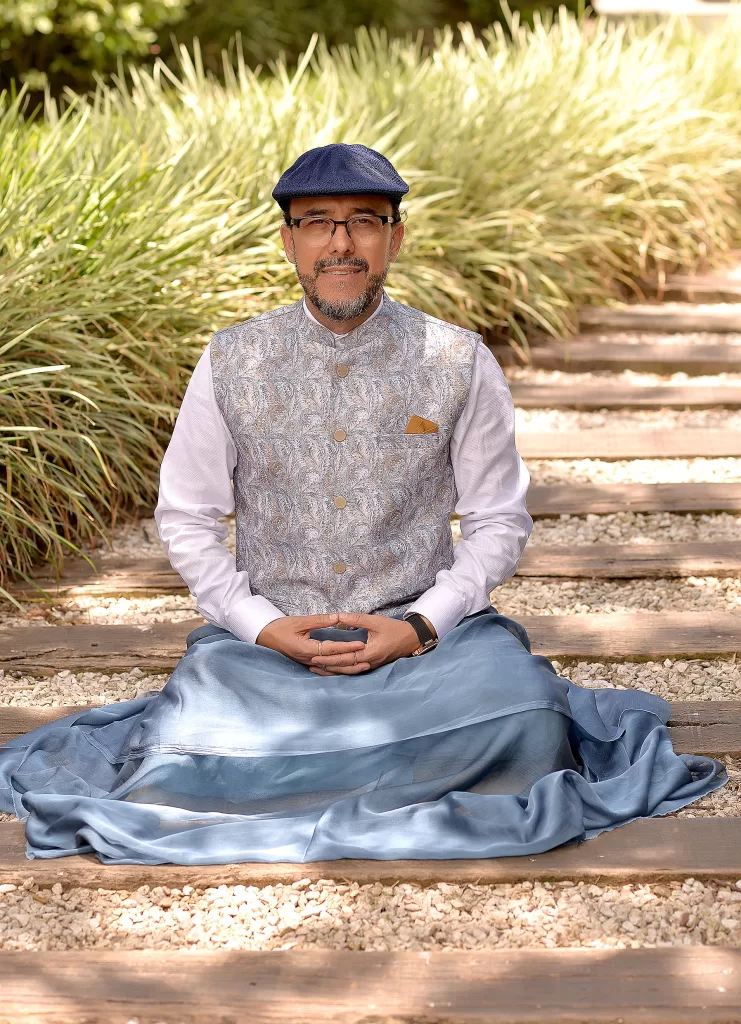
Acharya Tadany | Jan 16, 2026
In this powerful class, Acharya Tadany framed Krishna’s opening words (verses 2.2–2.5) as a masterful therapeutic intervention, deliberately using strong, whipping language to shock Arjuna out of his dejection and paralysis, challenging his self-image as an “ārya puruṣa” (noble person) defined by character, discipline, and courage, while exposing his current state of emotional weakness and inverted dharma as unbecoming of a warrior prince.
Acharya Tadany explained that Krishna waits strategically—allowing Arjuna to fully express his turmoil, exhaust his arguments, and reach genuine doubt—because premature wisdom cannot penetrate a mind still clinging to wrong decisions; only after emotional exhaustion and openness does true receptivity arise.
Acharya Tadany highlighted Arjuna’s impossible dilemma—fight and kill beloved gurus/family (violating personal love) or flee and live in exile as a beggar (abandoning kṣatriya dharma)—leaving him paralyzed because both options feel wrong, with no apparent third path. Krishna’s harsh tone and silence are not cruelty but calculated psychology: provoke, exhaust, create space for surrender.
The class underscored timeless lessons for modern seekers: difficult choices often have no “clean” option, emotional exhaustion must precede clarity, seeking guidance is wisdom not weakness, timing of advice is as crucial as its content, and character/discipline are the foundation for navigating life’s moral paradoxes. This sets the stage for Krishna’s profound teachings to follow, once Arjuna’s mind is truly ready.