Tadany Um refúgio para a alma e um convite à consciência.

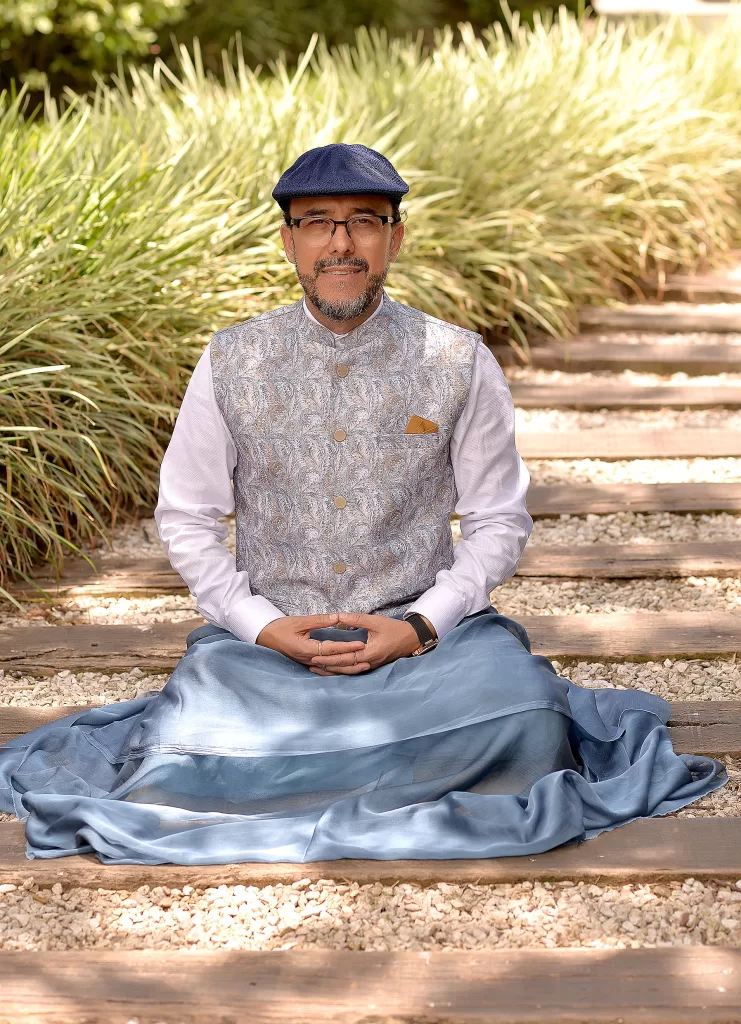
In this illuminating Acharya Tadany explored profound questions from students while unfolding Krishna’s core teaching on the nature of ātmā (the eternal Self), addressing reincarnation, karma, ambition, fear, acceptance, and the transformative realization of our true identity.
Student Questions & Guidance
Reincarnation & Past Connections — The Vedas affirm rebirth governed by karma, but specifics like reuniting with past-life family/partners fall outside the current course focus. Scriptures provide the framework of cause-effect across lives without detailing personal connections.
Ambition vs. Spirituality — Reduced worldly drive is common when spiritual teachings first dawn — a natural phase, not necessarily escapism. True spirituality integrates worldly duties with detachment and wisdom; it empowers responsible action, not avoidance.
Fear & Inaction — Fear of uncertainty paralyzes; life offers no perfect certainty. The Gītā urges acting with detachment from results — thoughtful action, even imperfect, outperforms fearful inaction.
The Wisdom of Acceptance (Svabhāva)
A central insight: Wise ones accept the inherent nature (svabhāva) of things rather than resist it, freeing themselves from unnecessary suffering.
Fire is hot, ice cold, water flows down — we work with these, not against them.
The body ages, changes, dies — resisting these natural processes breeds pain.
People behave according to their conditioning/karma — accepting others as they are improves relationships and harmony.
Resistance to “what is” causes most conflicts; acceptance brings equanimity and focuses energy on what can be influenced.
Class Summary
The Nature of Ātmā: Eternal, Unchanging Consciousness
Krishna reveals ātmā as our true Self — distinct from the perishable body-mind complex.
Fundamental Characteristics
Eternal (nityam) — Unborn, undying, without beginning or end; exists beyond time and the cycle of birth/death (cf. 2.20: “Never was there a time when I did not exist…”).
Unchanging (nirvikāra/avikāri) — Unaffected by the body’s six modifications (birth, growth, decay, etc.); remains constant as the witness (2.25: unmanifest, inconceivable, immutable).
Pure Consciousness (caitanyam svarūpam) — Self-luminous source of all awareness; illuminates experiences without being affected by them.
Akartā (Non-Doer)
Ātmā never acts; actions arise from the body-mind under the gunas.
The sense of “I am doing” stems from false identification (ego); realizing non-doership frees one from karma’s bondage.
Abhoktā (Non-Experiencer)
Ātmā remains untouched by pleasure/pain, success/failure — these affect only the mind/ego.
This grants equanimity (samatvam) in all situations.
Analogies
Light — Illuminates objects without becoming them or being tainted (beautiful/ugly, clean/dirty).
Ocean — Waves rise/fall, but the water stays undisturbed and unchanged.
Why Ātmā Cannot Be “Seen”
Ātmā is the eternal subject (seer), never an object. It cannot be known through senses/mind/intellect — it is self-evident, recognized through negation (neti neti) and self-inquiry.
Practical Implications & Transformation
Ethics & Decisions — Act from wisdom, not ego; perform duty without attachment to results (karma yoga).
Relationships — See the same ātmā in all, fostering compassion, forgiveness, and harmony.
Personal Growth — Shift identity from body-mind to ātmā → reduces fear of death/change, anxiety, need for validation; cultivates inner peace, witness consciousness, and joy independent of circumstances.
Common Misconceptions Clarified
Ātmā ≠ mind/intellect (it illuminates them).
Realization ≠ passivity (it enables clearer, freer action).
Ātmā is already you — not attained, but recognized by removing ignorance.
Available to all (householders included), not just renunciates.
Key Takeaways
Ātmā is eternal, unchanging consciousness — beyond birth/death/doership/experience.
Acceptance of natural laws (svabhāva) ends resistance-based suffering.
Balance worldly life with spiritual awareness — act detached, grow responsibly.
Realization transforms ethics, relationships, and daily living into a path of freedom.
Reflection Questions
Who am I beyond body/mind?
Where do I resist “what is”?
How does non-doership change my approach to work/relationships?
This class distills Chapter 2’s essence: from grief over the transient to recognition of the eternal Self — the foundation for fearless, purposeful living.
Hariḥ Om
Acharya Tadany