Tadany Um refúgio para a alma e um convite à consciência.

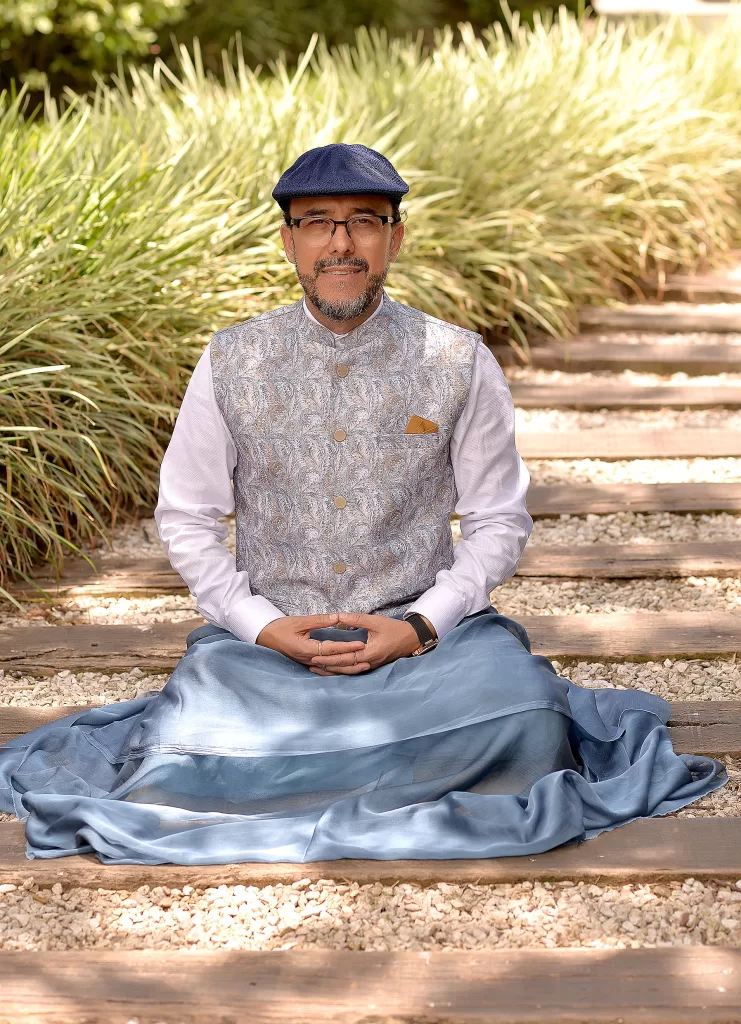
Bhagavad-Gita_भगवद्-गीता_Chapter-2_AI-Summary_Class-32_Acharya-TadanyIn this illuminating class, Acharya Tadany stressed the importance of precise spiritual language to avoid confusion (e.g., “consciousness,” “awareness,” “empathy” carry different meanings across people), so he bridged these powers to the central teaching of ātmā: the eternal, unchanging consciousness that exists beyond the body, pervading and enlivening it without being limited by or identified with it — illustrated by the light metaphor: light illuminates objects (beautiful or ugly) without becoming affected by them. Tadany emphasized the core spiritual sādhana (practice): shift identification from the mortal, changing anātmā (body-mind complex) to the immortal, unchanging ātmā — caring for the body as a valuable instrument while remaining rooted in Self-awareness.
Before the class, Acharya Tadany explored the nature of dreams and extrasensory perception (ESP) as distinct manifestations of śakti (power), clarifying that dreams are internal replays of accumulated memories and experiences without external sensory input, while genuine ESP represents real conscious abilities that transcend ordinary senses — such as artists channeling unknown visions, seers receiving prophetic insights, or mediums serving as vessels for spiritual entities.
After the class, Acharya Tadany addressed practical applications in relationships: recognizing the eternal ātmā in oneself and others reduces conditional reactivity, cultivates compassion, increases acceptance, and fosters authentic connection beyond ego needs. On ethics, he noted the complexity of dharma vs. adharma (as in Arjuna’s war dilemma) — decisions require context, intention, and minimizing harm while fulfilling duty — and concluded that daily discernment, compassion, and awareness of ātmā in all beings allow us to respond wisely, maintain boundaries, and act from love rather than hatred, even in conflict.