Tadany Um refúgio para a alma e um convite à consciência.

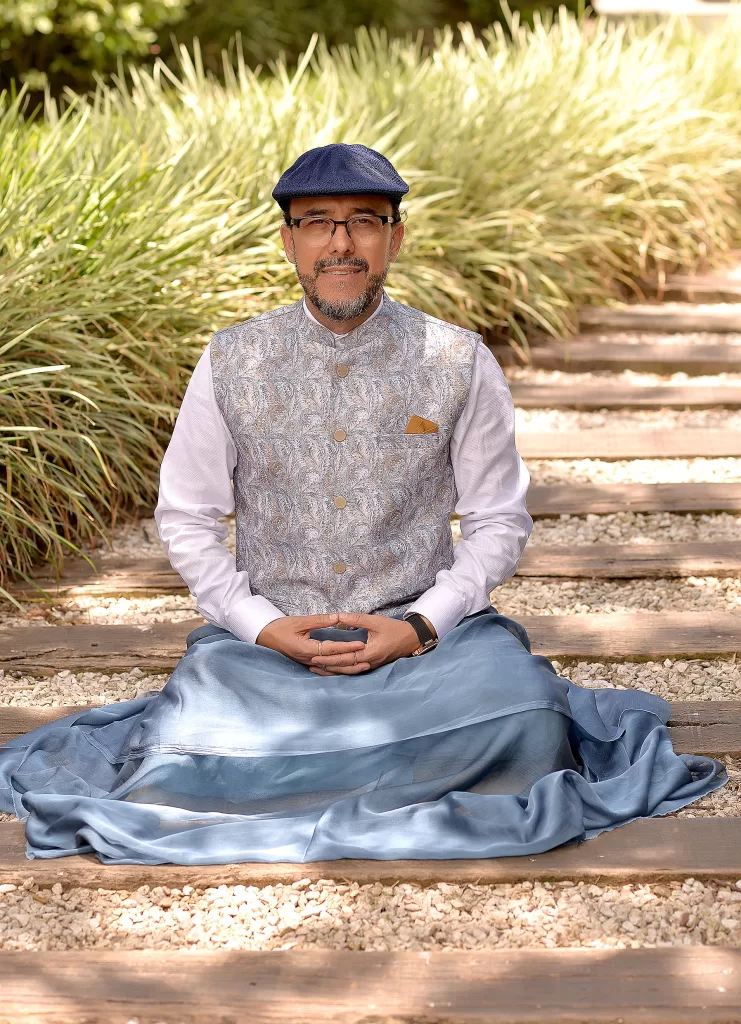
Vivekacuḍamaṇi_विवेकचूडामणि_Classes_AI-Generated-Summary_Class-101_Acharya-TadanyIn this class, Acharya Tadany delivered a profound revelation from the Upaniṣads and Śaṅkara’s Vivekacūḍāmaṇi that resolves one of the deepest paradoxes of human existence:
While the scriptures declare that everyone loves the Self (ātmā) alone, and all worldly love is conditional (capable of turning into sorrow when circumstances change), the same scriptures uphold universal love as the highest ideal—how is this possible?
Through the classic wave-water analogy and the Yājñavalkya-Maitreyī dialogue, Acharya Tadany clarified the distinction between two types of self-love: the limited, possessive, conditional love of the ignorant (ajñāni), which demands, controls, and manipulates, versus the limitless, unconditional love of the wise (jñāni), who recognizes the Self as the substratum and cause (kāraṇam) of the entire universe, so that loving the Self automatically becomes loving all beings and things, because there is no “other” separate from That.
Acharya Tadany used Sanskrit grammar to prove the point irrefutably: love for means (sādhana priyam) and goals (sādhya priyatharam) is comparative, but love for the Self (ātmā priyathamam) is superlative—the ultimate, unchanging source of all affection—demonstrating that we never love anything for its own sake, but always for the happiness it promises us, revealing that ātmā alone is sadā ānanda svarūpaḥ (eternally of the nature of bliss), never a source of sorrow (duḥkha rahita).
The class concluded with the liberating path: first fully experience and own conditional love (without bypassing), then gradually expand it until self-love becomes universal love, dissolving all separation and fulfilling the ultimate purpose of Vedānta—not acquiring more objects of love, but recognising the infinite love that we already are.