Tadany Um refúgio para a alma e um convite à consciência.

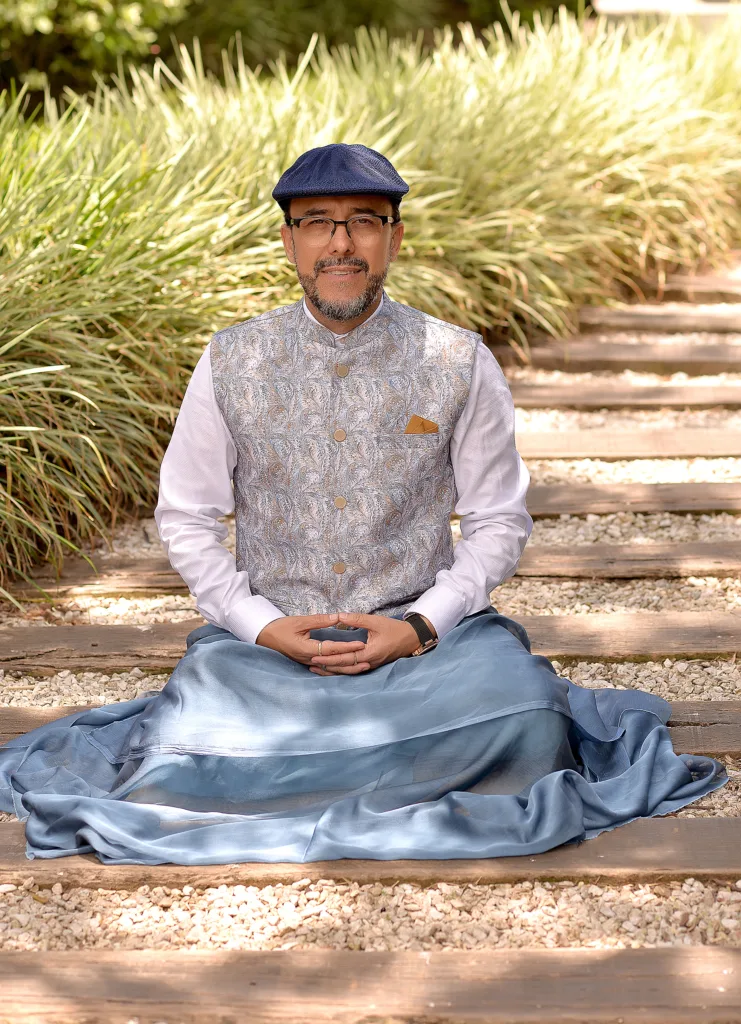
Bhagavad Gītā – Chapter 6, by Acharya Tadany
Summary – Class 222
Date: June 23, 2026
In this class, Acharya Tadany continued the exploration of Dhyāna Yoga (the Yoga of Meditation), focusing on the practical challenges of meditation and the methods to overcome them.
Managing Negative Emotions
Acharya Tadany stressed that suppressing anger and other negative emotions is harmful, as it can lead to unconscious and damaging outbursts. He recommended healthy ways to acknowledge and release them, including:
- Physical release (e.g., hitting a pillow or the floor with towels, crying out loud)
- Written expression (writing uncensored thoughts and then burning the paper)
- Vedāntic observation (non-judgmental awareness and understanding the root cause while maintaining spiritual clarity)
Review of Meditation Practices
The class reviewed the foundational disciplines for meditation:
- External disciplines (bāhya sādhana): Proper posture, environment, diet, sleep regulation, and ethical living (yama-niyama).
- Internal disciplines (āntara sādhana): Sense withdrawal (pratyāhāra), dispassion (vairāgya), discrimination (viveka), and emotional purification through devotion and self-inquiry.
The Stages of Meditation
Meditation progresses through three interconnected stages known as saṁyama:
- Dhāraṇā — One-pointed concentration on a chosen object.
- Dhyāna — Effortless, unbroken flow of awareness toward the object.
- Samādhi — Complete absorption where the meditator, the act of meditation, and the object merge into one.
Mano Nigraha – Disciplining the Mind
Acharya Tadany addressed the common challenge of a restless mind (vikṣipta citta). For students whose minds are naturally calm (prasanna citta), teachings are easily assimilated. For those with a distracted mind, Krishna prescribes Mano Nigraha (mind control) through repeated, patient practice (abhyāsa) combined with dispassion (vairāgya).
This is not a sign of failure, but a normal stage on the path. With consistent, gentle effort, even a turbulent mind can gradually become steady.
Key Takeaways
- Negative emotions should be healthily expressed and observed rather than suppressed.
- Meditation requires both external and internal preparation.
- The path of meditation progresses naturally from concentration (dhāraṇā) to absorption (samādhi).
- A restless mind can be trained through persistent, compassionate practice.
- True meditation leads to profound inner transformation, equanimity, and Self-realization.