Tadany Um refúgio para a alma e um convite à consciência.

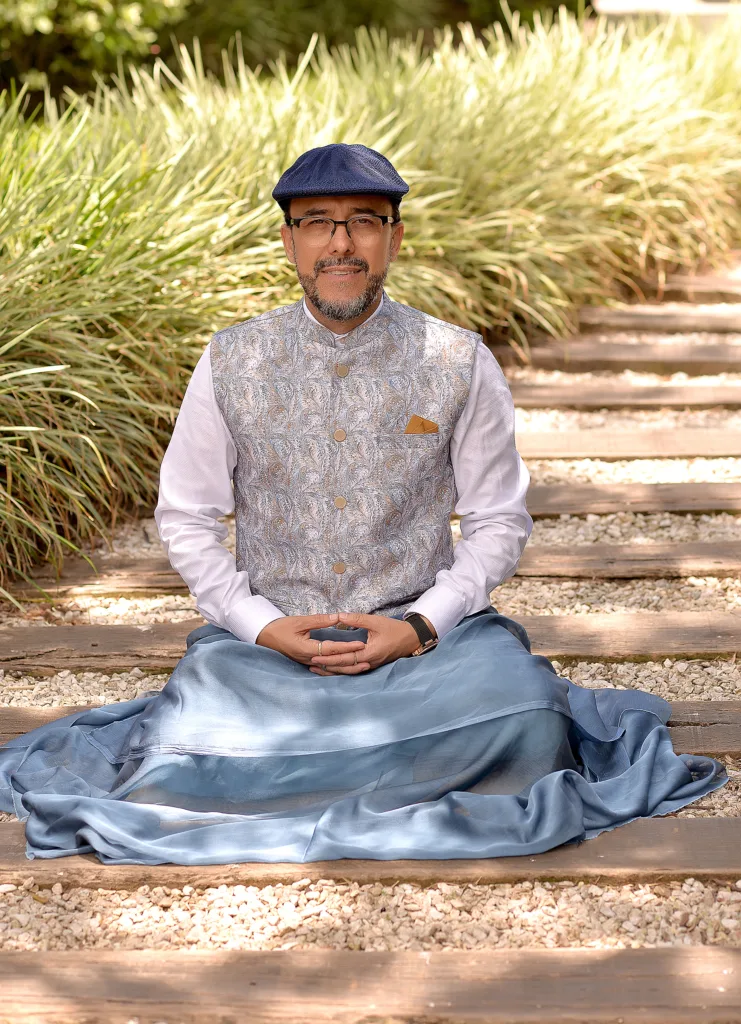
Bhagavad Gītā – Chapter 4, by Acharya Tadany
Summary – Class 185
Date: June 25, 2026
In this class, Acharya Tadany continued the discussion on Kuṇḍalinī Śakti and prāṇāyāma, clarifying their role in spiritual preparation and their limitations in relation to ultimate liberation.
Kuṇḍalinī Śakti
Acharya Tadany explained that Kuṇḍalinī Śakti is the primordial spiritual energy that operates at multiple levels:
- Physical (vitality and health)
- Mental (concentration and clarity)
- Spiritual (awakening of higher consciousness)
Practices such as running, yoga, and focused concentration tap into different aspects of this energy. Modern research in psychoneuroimmunology and mind-body medicine validates the ancient understanding that directed mental energy (e.g., visualization) can influence physiological processes, such as strengthening the immune response.
Prāṇāyāma – The Three Components
Acharya Tadany detailed the three main aspects of prāṇāyāma:
- Pūraka — Inhalation (drawing prāṇa in)
- Recaka — Exhalation (releasing stale air)
- Kumbhaka — Breath retention (internal or external)
These practices regulate the flow of prāṇa, which is intimately connected to the mind. When the breath becomes calm, the mind naturally becomes calmer and more receptive to higher knowledge.
Temporary vs. Permanent Peace
While prāṇāyāma is highly beneficial as a preparatory discipline, it provides only temporary, practice-dependent peace. When practice stops, the mind gradually returns to its previous state. The ultimate and permanent peace comes only through Ātma-Jñānam (Self-knowledge) — the direct realization of one’s true nature as the peaceful Self.
Key Takeaways
- Kuṇḍalinī Śakti operates on physical, mental, and spiritual levels.
- Prāṇāyāma calms the mind and prepares it for deeper spiritual inquiry by regulating prāṇa.
- Physical practices and breath control create a strong foundation but do not directly lead to mokṣa.
- The ultimate goal is Self-knowledge (ātma-vicāra), which alone provides absolute and permanent peace, independent of any technique.