Tadany Um refúgio para a alma e um convite à consciência.

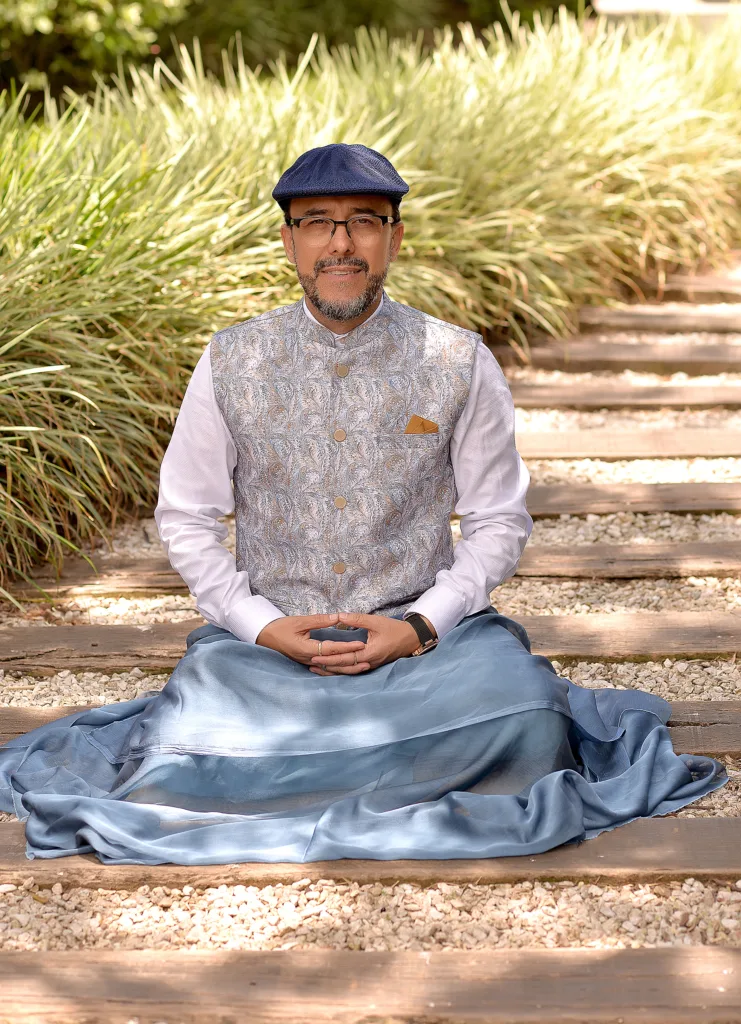
Bhagavad Gītā – Chapter 2, Acharya Tadany
Summary – Class 48
Date: June 26, 2026
In this class, Acharya Tadany presented one of the most profound teachings on the nature of the Self (Ātmā Svarūpam), using powerful analogies and addressing the universal human search for fulfillment.
The Karṇa Analogy
Acharya Tadany used the story of Karṇa from the Mahābhārata to illustrate the nature of Self-knowledge. When Karṇa discovered his true parentage (that he was Kunti’s son), nothing about him actually changed — his skills, memories, or physical form remained the same. What changed was only his understanding of who he had always been.
This analogy beautifully shows that Self-knowledge does not involve becoming something new or acquiring new qualities. It is simply the recognition of one’s true nature, which has always been present.
The Universal Search for Fulfillment
Every human being spends their life searching for fulfillment, peace (śānti), and happiness (ānanda) in external sources — objects, relationships, achievements, and experiences. The underlying assumption is that these qualities must be obtained from outside.
The revolutionary teaching is that fulfillment, security, and happiness are not goals to be achieved externally. They are the very essence of our true nature (Svarūpa). The problem is not that we lack them, but that we do not recognize them as what we already are.
The Parable of the Lost Ring
Acharya Tadany shared the parable of a Brāhmaṇa searching for a lost ring. A crowd joined him, searching in a particular spot because “the light was better there,” even though the ring had been lost elsewhere.
This illustrates how people often search for happiness, security, and fulfillment in conventional places where society validates the search, rather than examining where these qualities truly reside — within their own true nature.
The Nature of Ātmā: Beyond Inside and Outside
Acharya Tadany addressed one of the most subtle points: the Ātmā is neither “inside” nor “outside.” The mind’s natural tendency is to objectify everything, trying to locate the Self either externally or internally. Both approaches miss the point — the Ātmā is the eternal subject, the witnessing consciousness itself, never an object to be found.
The Four Wonders
Acharya Tadany referenced the concept of āścarya (wonder) regarding spiritual knowledge:
- Enlightened beings who have realized the truth are a wonder.
- Qualified teachers who can impart these subtle teachings are a wonder.
- Sincere students who can receive and assimilate the knowledge are a wonder.
- The greatest wonder of all is those who, despite hearing the teachings repeatedly for years, still fail to understand due to the persistent habit of objectifying the Self.
Key Takeaways
- Self-knowledge is not about becoming something new, but recognizing what you have always been.
- Fulfillment, peace, and happiness are not external goals — they are your inherent nature.
- The spiritual search ends not by finding something new, but by recognizing what was never lost.
- Proper guidance through scripture and a qualified teacher is essential to overcome the deep-rooted tendency to objectify the Self.