Tadany Um refúgio para a alma e um convite à consciência.

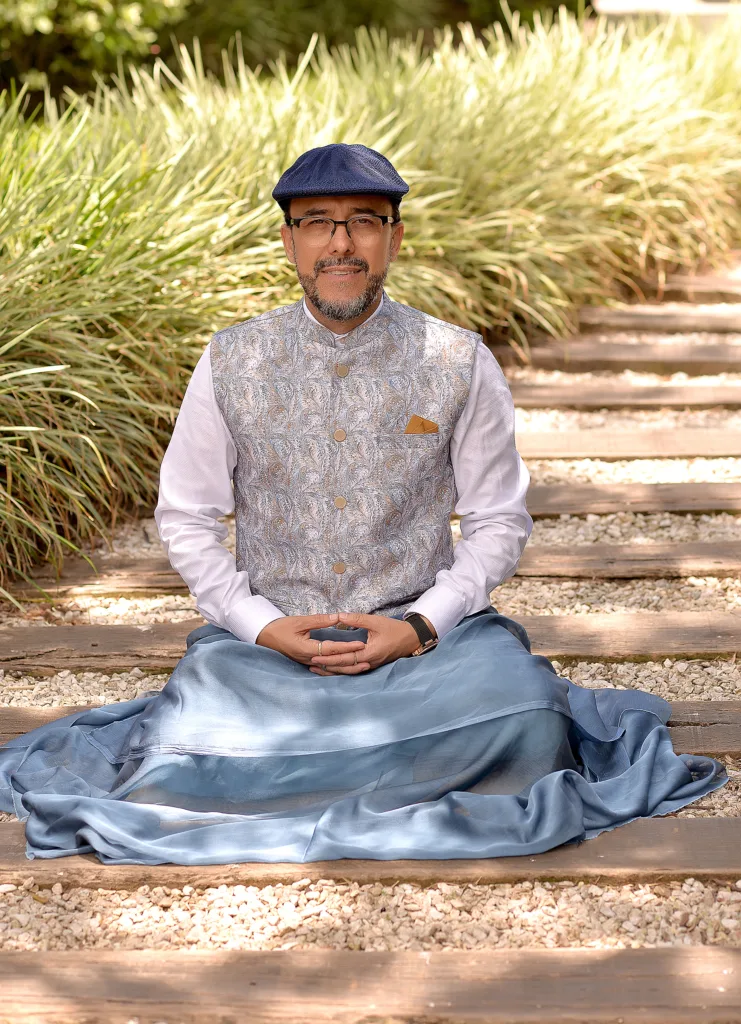
Bhagavad Gītā – Chapter 2, by Acharya Tadany
Summary – Class 52
Date: July 24, 2026
In this class, Acharya Tadany explored Krishna’s arguments regarding the consequences of inaction and the introduction to Karma Yoga.
Two Types of Wrongdoing (Pāpam)
Acharya Tadany explained Krishna’s teaching about two fundamental types of wrongdoing:
- Commission (pravṛtti pāpam) — Actively engaging in prohibited or harmful actions.
- Omission (nivṛtti pāpam) — Failing to perform one’s prescribed duties.
Both create negative karmic consequences.
Arjuna’s Dilemma and the Consequences of Inaction
Arjuna’s refusal to fight would constitute omission — failing to perform his duty as a Kṣatriya. Krishna warned of severe consequences:
- Social stigma and loss of standing.
- Permanent dishonor and infamy.
- Spiritual repercussions in future lives.
For a warrior of Arjuna’s stature, living with dishonor would be far worse than dying honorably in battle.
Dharma: Philosophical, Ethical, and Practical Perspectives
Acharya Tadany provided a comprehensive view of dharma:
- Philosophical — Alignment with cosmic order.
- Ethical — Moral responsibility in specific circumstances.
- Practical — How dharma manifests in daily decisions and societal roles.
Introduction to Karma Yoga
After establishing the theoretical foundations, Krishna introduces the practical path of Karma Yoga (the Yoga of Action):
- Performing necessary actions — even unpleasant ones — without being overwhelmed by emotional reactions or attachment to outcomes.
- Maintaining samatva (equanimity or balance of mind) regardless of circumstances.
Karma Yoga represents the practical application of the philosophical truths discussed earlier.
Q&A After Class
- Could Arjuna have followed his own conviction? Arjuna initially presented strong arguments against fighting, but he himself admitted confusion (sammūḍha) and humbly asked Krishna for guidance. This acknowledgment of uncertainty was the starting point for the entire teaching of the Bhagavad Gītā.
Key Takeaways
- There are two types of wrongdoing: commission and omission.
- Inaction can have serious social, reputational, and spiritual consequences.
- For a Kṣatriya, dishonor is considered worse than death in battle.
- Krishna employs multiple perspectives (philosophical, ethical, practical) to address the complete human being.
- Recognizing one’s confusion and seeking proper guidance is wisdom, not weakness.
- Karma Yoga offers a practical path for engaging with the world while maintaining inner balance.