Tadany Um refúgio para a alma e um convite à consciência.

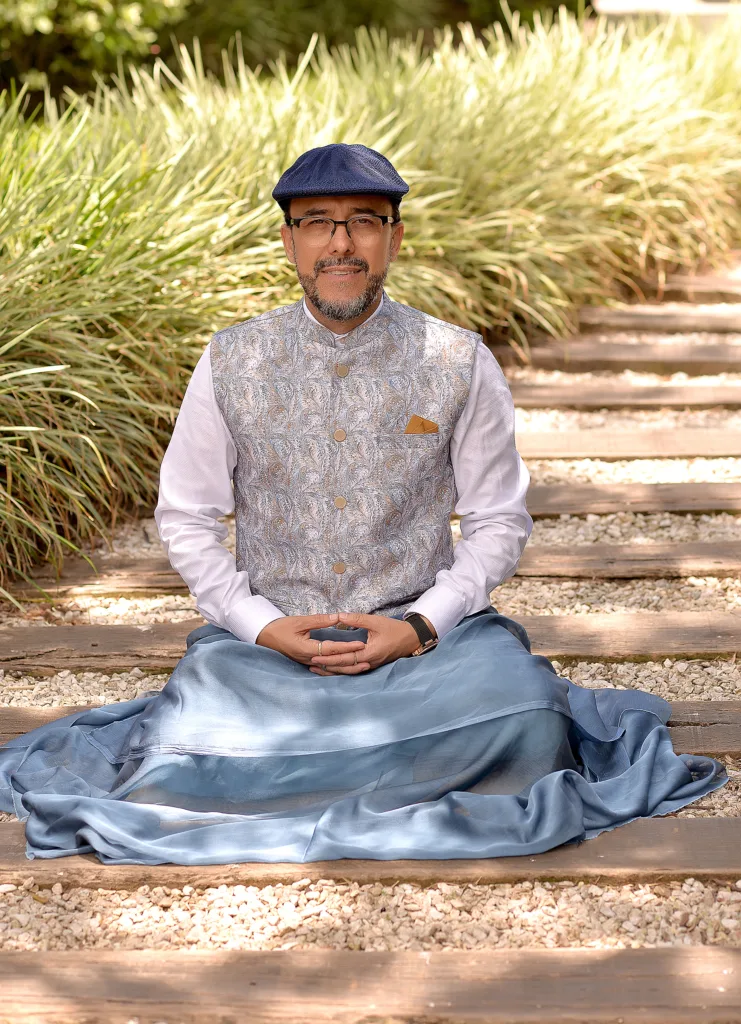
Bhagavad Gītā – Chapter 6, by Acharya Tadany
Summary – Class 226
Date: July 21, 2026
In this class, Acharya Tadany continued the in-depth study of Dhyāna Yoga (the Yoga of Meditation), focusing on the nature of the restless mind and practical approaches to overcoming its challenges.
Chapter Six Overview: Dhyāna Yoga
Acharya Tadany outlined the four major components of the sixth chapter:
- General Disciplines (Sādhāraṇa Niyama) — Foundational lifestyle guidelines that prepare the student for meditation.
- Specific Disciplines (Viśeṣa Niyama) — Particular techniques and preparations specifically for meditation practice.
- The Meditation Process (Dhyāna Prakriyā) — The actual methodology and stages of meditation itself.
- Benefits of Meditation (Dhyāna Phala) — The fruits and results that come from sustained practice.
This systematic breakdown helps students understand meditation not as an isolated technique, but as part of a comprehensive spiritual discipline that requires both preparation and consistent practice.
Arjuna’s Challenge – The Wandering Mind
A central theme of the discussion was Arjuna’s honest question to Krishna about the difficulty of controlling the mind during meditation. Arjuna described the mind as:
- Restless and Turbulent (Cañcala): Constantly moving from one thought to another.
- Outgoing in Nature (Bahirmukha): Naturally drawn to external sensory experiences rather than inward reflection.
- Strongly Focused on Objects (Pramāthi): Powerfully attached to sense objects and desires.
Krishna acknowledged Arjuna’s observation with complete honesty, confirming that the mind is indeed extremely difficult to control. Acharya Tadany used a powerful metaphor to illustrate this challenge: trying to control the mind is like trying to control the wind. Just as the wind moves in all directions with tremendous force, the mind similarly moves rapidly and unpredictably, making it one of the greatest challenges in spiritual practice.
However, Krishna also provided hope by teaching that while the mind is difficult to control, it is not impossible. Through sustained practice (abhyāsa) and detachment (vairāgya), the mind can gradually be brought under control. Krishna emphasized that conquering one’s own mind is the greatest victory in life – more significant than any external achievement.
Q&A After Class: Different Meditation Approaches for Different Personalities
Antonina shared her personal experience with meditation, providing a valuable case study for understanding how different practices affect different individuals. She noted that:
- Vedāntic Listening: When she listened to Vedāntic philosophical discourses during meditation, her mind tended to wander more, analyzing concepts and following various thought chains.
- Mantra and Visualization: In contrast, when she chanted mantras like “Om Namaḥ Śivāya” (salutations to Lord Śiva) and visualized divine forms, her mind became more focused and settled.
Acharya Tadany validated Antonina’s experience as completely normal and used it to illustrate an important principle from the śāstra (scripture): different meditation techniques are prescribed for different personality types and temperaments. He explained several approaches:
- Japa (Mantra Repetition): Continuous repetition of sacred mantras, which helps focus the mind through sound and rhythm.
- Ritual Practice (Pūjā and Karma): Structured ceremonial worship that engages both body and mind in devotional service.
- Scriptural Memorization: Memorizing and reciting sacred texts like the Bhagavad Gītā, which combines mental discipline with spiritual content.
- Visualization (Mūrti Dhyāna): Meditating on divine forms, which provides the mind with a concrete focal point.
- Philosophical Inquiry (Jñāna Vicāra): Deep contemplation on Vedāntic truths, suitable for those with more analytical minds.
The key teaching is that students should experiment with different methods and discover what naturally suits their temperament. There is no “one size fits all” approach to meditation.
Building Discipline Through Consistent Daily Practice
Acharya Tadany emphasized the critical importance of developing discipline (abhyāsa) through regular daily practice over an extended period. He explained that:
- Start Small: Begin with shorter meditation sessions that feel manageable rather than overwhelming.
- Daily Consistency: Practice at the same time each day to build a strong habit pattern.
- Gradual Progression: As discipline develops naturally over weeks and months, the mind becomes more prepared for longer guided meditations.
- Patience with the Process: Understand that meditation mastery takes time – often many years – and that struggles with a wandering mind are completely normal, even for advanced practitioners.
This gradual approach prevents frustration and burnout, allowing students to build a sustainable meditation practice that can be maintained throughout their lifetime. The emphasis is on steady, patient progress rather than dramatic breakthroughs or forced concentration.
Key Takeaways
- The mind is inherently restless and difficult to control — this is normal, not a failure.
- Meditation requires both general and specific disciplines.
- Different techniques work for different temperaments; there is no “one size fits all.”
- Consistent, patient practice (abhyāsa) combined with detachment gradually brings the mind under control.
- Conquering the mind is the greatest victory in life.