Tadany Um refúgio para a alma e um convite à consciência.

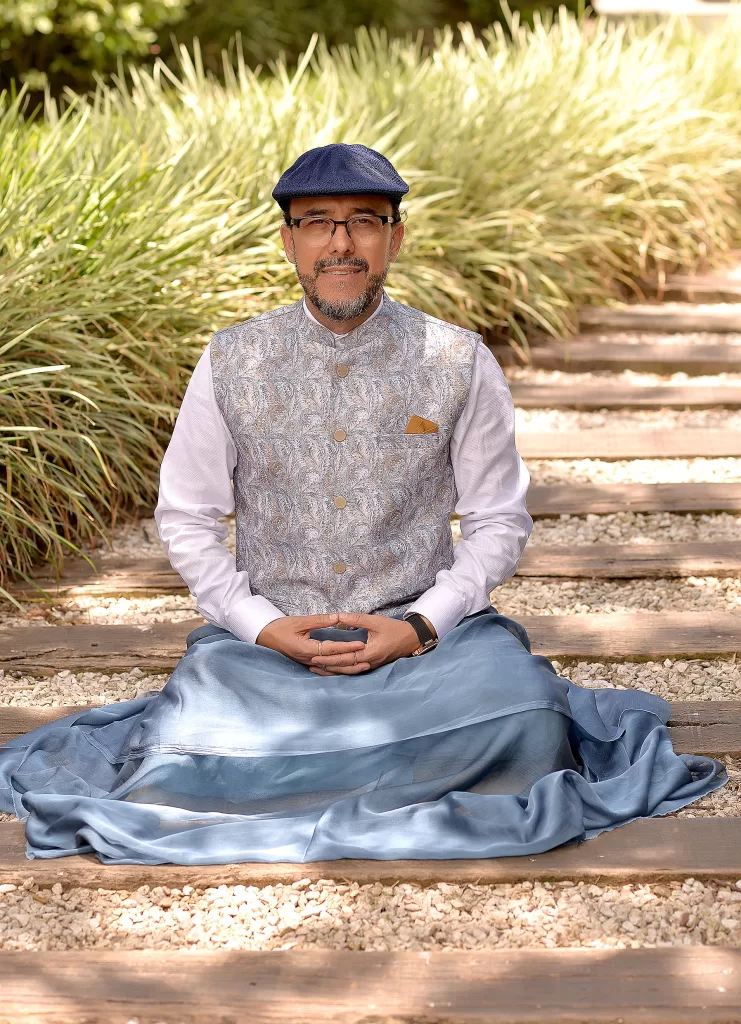
॥ भगवद् गीता ॥ … Bhagavad Gītā …by Acharya Tadany
Chapter 4, Class 196, Sept 10, 2026.
Summary
Three Obstacles to Spiritual Progress
Acharya Tadany explained the three negative traits discussed in the Bhagavad Gita that prevent spiritual advancement:
- Ajñānam (Ignorance): Lack of knowledge about spiritual truths and one’s true nature
- Aśraddhā (Lack of Faith in Scriptures): Absence of trust in the validity and authority of sacred texts
- Saṃśaya (Doubt): The worst of the three traits, as it affects both worldly and spiritual life, preventing one from enjoying either current happiness or future spiritual progress
Acharya Tadany emphasized that doubt is particularly destructive because a person afflicted by it cannot find satisfaction in material pursuits nor make progress on the spiritual path. Such a person remains suspended between two worlds, unable to commit fully to either.
Stages of Spiritual Practice
Acharya Tadany outlined the progressive stages of spiritual development:
- Śravaṇam (Listening): The first stage involves listening to the teachings from a qualified teacher or scripture
- Mananam (Reflection): The second stage involves deep intellectual reflection and analysis of what has been heard, resolving doubts through reasoning
- Nididhyāsana (Contemplation): The third stage is constant contemplative awareness of the knowledge gained, integrating it into one’s consciousness
- Karma Yoga (Yoga of Action): The fourth stage involves performing actions with detachment (Yoga-saṃnyasta-karmāṇam), applying spiritual wisdom in daily life
Acharya Tadany explained that Jñāna-saṃchhinnam (knowledge that cuts through ignorance) is achieved through dedicated study and practice, leading to firm conviction in spiritual truths.
Q&A after class
The 14 Lokas (Worlds of Existence)
Acharya Tadany clarified that Hinduism recognizes 14 distinct planes of existence (lokas), which differ from concepts in Abrahamic religions:
- Higher Lokas: Including Svargaloka (the heavenly realm, third level above human existence) and other elevated planes of consciousness
- Middle Loka: The human realm (Bhūloka), where we currently exist
- Lower Lokas: Various realms below the human plane
These realms represent different levels of consciousness and experience, not simply physical locations. Movement between these lokas is governed by karma and spiritual development.
Karma and the Path to Mokṣa
Acharya Tadany explained fundamental concepts of Hindu philosophy:
- Karma: The law of cause and effect that governs existence across all lokas
- Human Birth as Unique Opportunity: Only in human form can one attain Mokṣa (liberation from the cycle of birth and death)
- Mokṣa: The ultimate goal of spiritual practice, representing complete liberation and union with the Divine
The human birth is considered precious because it provides the unique combination of intelligence, free will, and capacity for self-inquiry necessary for spiritual realization.
Acharya Tadany