Tadany Um refúgio para a alma e um convite à consciência.

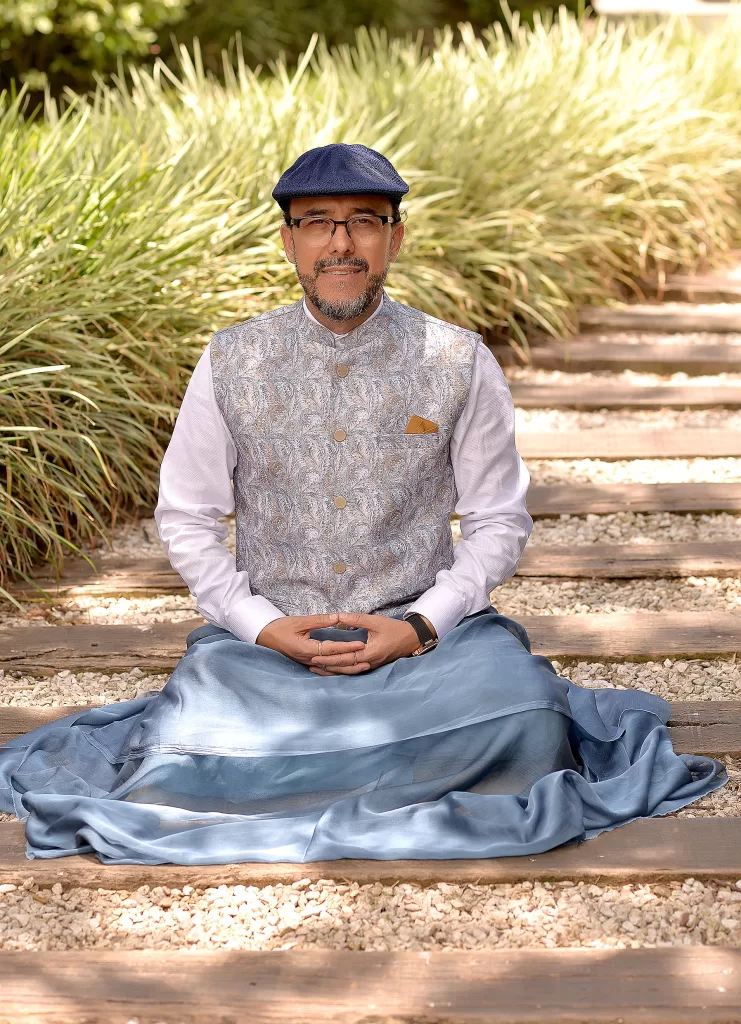
॥ भगवद् गीता ॥ … Bhagavad Gītā …by Acharya Tadany
Chapter 6, Class 237, Oct 6, 2026.
Summary
Meditation in the Bhagavad Gita
Acharya Tadany began summarizing the sixth chapter of the Bhagavad Gita, which focuses on meditation as a spiritual practice. He explained that this chapter specifically deals with Nididhyāsana, the assimilative meditation practiced after receiving Vedāntic teachings, as distinguished from Upāsana, the preparatory meditation performed before studying Vedānta.
Two Types of Meditation
Upāsana (Preparatory Meditation): This form of meditation is practiced before one begins formal study of Vedānta teachings. It serves as preparation for the spiritual journey ahead.
Nididhyāsana (Assimilative Meditation): This is Vedāntic meditation practiced after receiving knowledge from the teachings. Its purpose is to help integrate the knowledge into one’s personality, transforming intellectual understanding into lived experience. The sixth chapter of the Gita focuses primarily on this type of meditation.
Structure of the Sixth Chapter
Acharya Tadany outlined the six main topics covered in the sixth chapter of the Bhagavad Gita:
- Bahiraṅga Sādhanāni (General Disciplines): The foundational practices and general disciplines required for meditation
- Antaraṅga Sādhanāni (Specific Disciplines): The more refined, inner disciplines specific to meditation practice
- Dhyāna Svarūpam (Nature of Meditation): An exploration of what meditation truly is and its essential characteristics
- Dhyāna Phalam (Benefits of Meditation): The fruits and benefits that arise from consistent meditation practice
- Dhyāna Pratibandha Parihāra (Obstacles and Remedies): The obstacles that practitioners may encounter in meditation and their solutions
- Yoga Bhrashṭa (The Fallen Yogi): An incidental topic discussing what happens to a practitioner who falls away from the yogic path
The Role of Karma Yoga in Meditation
Acharya Tadany emphasized that Karma Yoga is essential for successful meditation practice. He explained that a Karma Yogi is someone who accepts all actions in life without grumbling or complaining, treating every action as an offering to Bhagavān (the Divine).5
The Essence of Karma Yoga: A Karma Yogi approaches life with a spirit of acceptance and surrender. Rather than resisting or complaining about the duties and circumstances that come their way, they embrace each action as an opportunity for spiritual growth. Every task, whether pleasant or challenging, is performed as an act of devotion—an offering to Bhagavān.
This attitude transforms ordinary activities into spiritual practice. When we stop seeing actions as burdens and instead view them as sacred offerings, our relationship with work and duty fundamentally changes. The key is to perform actions without attachment to outcomes, without constantly judging whether experiences are “good” or “bad,” and without the mental resistance that creates suffering.
Managing Stress and Anxiety: Through this approach, the practitioner learns to manage stress and anxiety effectively. Most of our mental disturbance comes not from actions themselves, but from our resistance to them—our complaints, our wishes that things were different, our attachment to specific outcomes.5
When we accept life’s circumstances and perform our duties without complaint or attachment, the mind naturally becomes calm. We stop creating additional suffering through mental resistance. This doesn’t mean becoming passive or indifferent; rather, it means performing our duties with full engagement while remaining emotionally balanced regardless of results.
Freedom from Emotional Upheavals: By accepting life’s actions as offerings to the Divine, the mind becomes free from emotional upheavals. The constant ups and downs that normally disturb our mental peace begin to settle. We develop equanimity—the ability to remain steady whether facing success or failure, praise or criticism, pleasure or pain.
This mental stability and equanimity are crucial prerequisites for successful meditation practice. A mind that is constantly agitated by reactions to life’s events cannot settle into deep meditation. The practice of Karma Yoga develops the necessary mental discipline that allows a practitioner to sit in meditation with a calm and focused mind.
Karma Yoga as Foundation: Thus, Karma Yoga serves as the foundation for meditation. It’s not merely a separate practice but an essential preparation that creates the mental conditions necessary for successful meditation. Without this foundation of acceptance and equanimity developed through Karma Yoga, meditation remains superficial or becomes a struggle against the mind’s restlessness.
Self-Confidence and Divine Identity
Acharya Tadany stressed the importance of cultivating self-confidence in spiritual practice. He taught that no one should look down upon themselves, as all beings are part of the same cosmic family headed by Bhagavān.5
The Divine Nature Within: This teaching addresses a common obstacle on the spiritual path—lack of self-confidence and low self-esteem. Many spiritual seekers struggle with feelings of unworthiness or inadequacy. Acharya Tadany emphasized that such self-deprecation is not humility but rather ignorance of our true nature.
The fundamental truth is that every being, without exception, belongs to the cosmic family with Bhagavān as the ultimate source and sustainer. This isn’t merely a metaphorical relationship but a profound spiritual reality. Just as every wave is part of the ocean and shares the same essential nature as the ocean, every individual consciousness is part of the universal consciousness.
Understanding Our True Worth: When we understand that we are part of this divine family, we recognize our inherent worth and dignity. This isn’t pride or arrogance—it’s simply recognizing the truth of what we are. Looking down upon ourselves is actually an insult to the Divine that manifests through us.
This understanding transforms how we approach spiritual practice. Instead of practicing from a place of feeling broken or inadequate, we practice from a place of recognizing our divine potential. We’re not trying to become something we’re not; we’re uncovering and expressing what we already are at the deepest level.
Healthy Self-Regard in Practice: This teaching provides a foundation for healthy self-regard and spiritual confidence. It’s the middle way between arrogance (thinking we’re better than others) and self-deprecation (thinking we’re somehow less worthy than others). Both extremes are based on false understanding.
The truth is that all beings share the same essential divine nature. We’re all part of the same family. This understanding naturally gives rise to both self-confidence and compassion—confidence because we recognize our divine connection, and compassion because we see the same divine presence in all beings.
Essential for Spiritual Progress: This self-confidence is essential for progressing on the spiritual path. Without it, practitioners may give up when facing difficulties, thinking “I’m not capable of this” or “This path is not for me.” But when we understand our true nature and our place in the cosmic family, we have the confidence to persevere through challenges, knowing that spiritual realization is our birthright, not something reserved for a special few.
Purpose of Meditation
Acharya Tadany concluded by emphasizing that meditation serves as the crucial bridge between intellectual knowledge and experiential wisdom. After exposure to Vedāntic teachings, meditation helps assimilate this knowledge, allowing it to transform from mere concepts into lived understanding that permeates one’s entire being and daily life.
Acharya Tadany