

 Tadany Um refúgio para a alma e um convite à consciência.

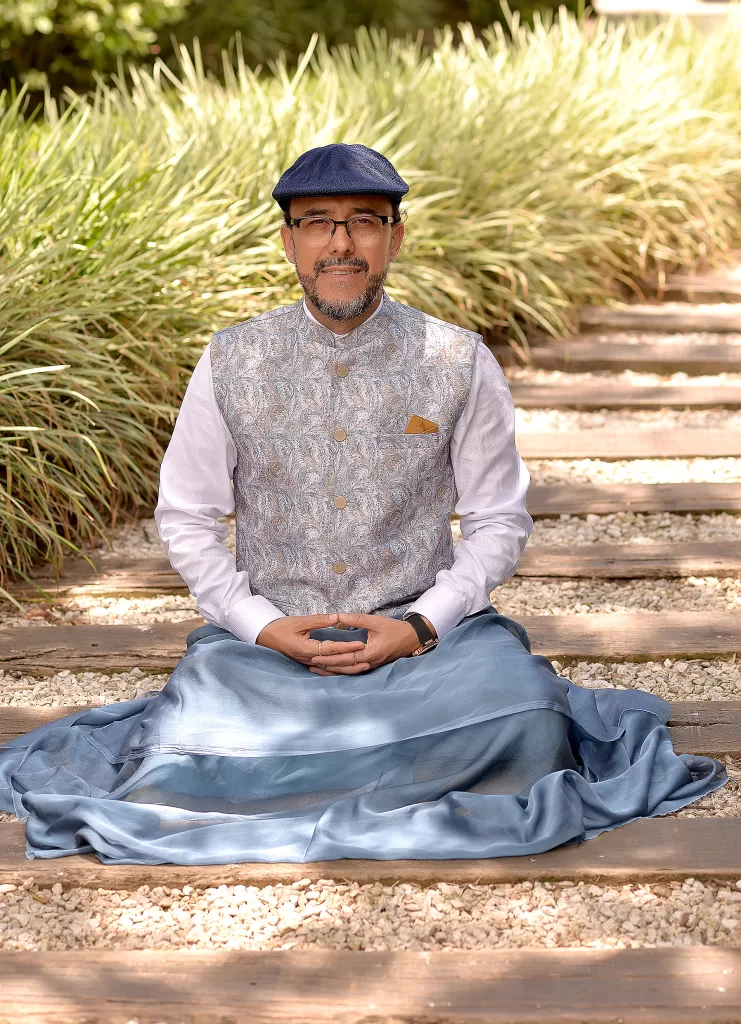
॥ विवेकचूडामणि ॥ … Vivekacūḍāmaṇi … By Acharya Tadany
Class 4, Nov 2, 2026.
Summary
This class is a continuation of the study of Vivekacūḍāmaṇi by Śaṅkarācārya, focusing on the glorification of human birth (Manuṣya Janma Praśaṃsā) and the progressive stages or qualifications a spiritual seeker must develop on the path toward Mokṣa (liberation).
The lecture draws from classical Vedāntic texts, including the Kaṭha Upaniṣad and Muṇḍaka Upaniṣad, to contextualize the rarity and significance of human birth and the inner attributes required for self-knowledge (Ātma Jñānam).
Key Concepts
- Manuṣya Janma (Human Birth): Considered rare and blessed among all forms of existence across the 14 levels (Lokāḥ), with Bhūloka (Earth) identified as the most ideal realm for attaining self-knowledge.
- Puṃstvam (Emotional Independence/Inner Strength): A gender-neutral quality referring to the mental and emotional strength to move from worldly dependence toward self-dependence, essential for spiritual progress.
- Vipratā (Scriptural Learning and Culture): The process of moving from ignorance (Śūdra) to a cultured, twice-born (Dvija) state through study of the Śāstras, particularly Dharma-Adharma Śāstra.
- Vaidika Dharma Mārga Parāyaṇatā (Commitment to Righteous Living): The active practice and embodiment of Dharmic principles, not merely intellectual knowledge of them.
- Mokṣa as the Ultimate Goal: Described as the “trophy” at the end of a multi-stage spiritual competition, attainable only through progressive inner refinement.
- Sādhana Catuṣṭaya Sampattiḥ: The fourfold qualification for Vedāntic study, including Viveka (discrimination), Vairāgya (dispassion), Śama-Ādi Ṣaṭka (six virtues), and Mumukṣutvam (desire for liberation).
Important Questions Raised
- How does one distinguish between dharma and adharma in practical, everyday situations?
- What is the relationship between emotional dependence and spiritual progress?
- How can Vedāntic education and values be made more accessible to youth in the modern world?
- Is marketing and outreach compatible with the traditional transmission of Vedantic knowledge?
Key Teachings
The Rarity and Significance of Human Birth
- Human birth on Bhūloka (Earth) is considered the rarest and most auspicious condition for attaining self-knowledge, even among all 14 levels of existence (Lokāḥ).
- Bhūloka is identified as the most ideal realm for the attainment of Ātma Jñānam (self-knowledge), superior even to celestial realms where Devāḥ (celestial beings) reside.
- The purified human intellect is compared to a spotless mirror capable of reflecting the self clearly and distinctly.
- Merely being born human does not guarantee Mokṣa; it is only the first qualifying stage in a multi-level spiritual journey.
The Progressive Stages Toward Mokṣa
- Śaṅkarācārya presents an ascending ladder of increasingly rare qualifications: Bhūloka (birth on Earth) → Manuṣya Janma (human birth) → Puṃstvam (emotional independence) → Vipratā (scriptural learning and culture) → Vaidika Dharma Mārga Parāyaṇatā (commitment to righteous living) → Vidvattvam (wisdom, to be covered in the next class).
- Each successive qualification on the spiritual ladder becomes increasingly rare and difficult to attain, like ascending a mountain where oxygen becomes scarcer.
- Puṃstvam (inner emotional strength and independence) is a critical, gender-neutral attribute required for spiritual progress, referring to the mental fortitude to move from worldly dependence → God/Guru dependence → self-dependence (independence).
- A weak mind is defined as one that perpetually clings to people, circumstances, or external things; temporary dependencies are valid stepping stones, but permanent clinging is a form of Saṃsāra.
Scriptural Learning and Righteous Living
- Vipratā refers to the study of Dharma-Adharma Śāstra and the transformation from an uncultured (Prākṛta) to a cultured (Saṃskṛta) person through the ritual of Upanayanam and study in the Gurukula.
- Everyone is born in ignorance (Śūdra); through ritual (Upanayanam) one becomes Dvija (twice-born); through scriptural study one becomes Vipra (cultured); through Brahma-Jñāna one becomes Brāhmaṇa.
- Knowledge of dharma without its practice is considered useless; commitment to a righteous lifestyle (Vaidika Dharma Mārga Parāyaṇatā) is essential and must be sustained through all four Āśramas (Brahmacarya, Gṛhastha, Vānaprastha, Saṃnyāsa).
- The Vedas serve as the supreme authority (the “Supreme Court”) in determining what is dharma and adharma.
- The proof of Vedic learning is a change in character and personality, not merely intellectual knowledge.
The Path to Vedānta and Liberation
- Commitment to Dharma must continue until Sādhana Catuṣṭaya Sampattiḥ is attained: Viveka (discrimination), Vairāgya (dispassion), Śama-Ādi Ṣaṭka (six virtues), and Mumukṣutvam (desire for liberation).
- Only after attaining this fourfold qualification does one become fit for Vedāntic study.
- Happiness, peace, and security are described as one’s natural state (Svabhāva); spiritual practice is the process of removing obstacles (suppressions, Saṃskāras, Vāsanās) that prevent recognition of this truth.
- The study of Vedānta is demanding because it requires willingness to reorient and reconstruct one’s personality and confront deep-seated Saṃskāras and Vāsanās accumulated over many lifetimes.
The Rarity and Significance of Human Birth
Śaṅkarācārya opens the Vivekacūḍāmaṇi (Ślokas 2–5) with a glorification of human birth, asserting that being born as a human being on Bhūloka is an extraordinarily rare occurrence. Among the 14 levels of existence (seven above and seven below), Bhūloka is identified as the most ideal realm for the attainment of Ātma Jñānam (self-knowledge). The Kaṭha Upaniṣad is cited to support this, noting that even celestial beings (Devāḥ) cannot gain self-knowledge in their realms, making the human condition uniquely suited for liberation.
Śaṅkarācārya uses the analogy of a spotless mirror to describe the purified human intellect — one that can reflect the self clearly and distinctly. However, human birth alone does not guarantee Mokṣa. It is compared to passing the first qualifying round in a sports competition such as Wimbledon: one has earned entry, but many further stages remain before the final trophy — Mokṣa — can be lifted.
The Progressive Stages Toward Moksha
Śaṅkarācārya presents a series of increasingly rare qualifications that a spiritual seeker must develop, described as ascending steps on a ladder toward liberation:
1. Bhūloka (Birth on Earth): The foundational condition. Being born on this planet is itself rare among all realms.
2. Manuṣya Janma (Human Birth): Among all living beings on Earth, being born with a human body is rarer still, as it is the only form capable of pursuing self-knowledge.
3. Puṃstvam (Emotional Independence/Inner Strength): This quality, explicitly stated to be unrelated to gender, refers to the mental fortitude to move from worldly dependence → God/Guru dependence → self-dependence (independence). The Muṇḍaka Upaniṣad is quoted: “Nāyam ātmā balahīnena labhyaḥ” — the self cannot be attained by one who is weak. A weak mind is defined as one that perpetually clings to people, circumstances, or external things. Temporary dependencies (on parents, Guru, Iṣṭadevatā) are acknowledged as valid stepping stones, but permanent clinging is identified as a form of Saṃsāra.
4. Vipratā (Scriptural Study and Cultural Refinement): Drawing from the verse “Janmanā jāyate Śūdraḥ, Saṃskārād Dvija ucyate, Vedābhyāsād bhavet Vipraḥ, Brahmagñānena Brāhmaṇaḥ,” Śaṅkarācārya explains that everyone is born in ignorance (Śūdra). Through the ritual of Upanayanam and entry into the Gurukula, one becomes Dvija (twice-born). Through study of Dharma-Adharma Śāstra (Vedapāda), one becomes Vipra — a cultured, refined person who understands right and wrong, and how to relate ethically to family, society, and the world.
5. Vaidika Dharma Mārga Parāyaṇatā (Commitment to Righteous Living): Knowledge of dharma without practice is rendered useless. The example of Duryodhana from the Mahābhārata is cited — a learned king who openly admitted knowing dharma but being unable to practice it due to overwhelming jealousy. Śaṅkarācārya emphasizes that the proof of Vedic learning is a change in character and personality. The Vedas are established as the supreme authority (the “Supreme Court”) for determining dharma. This commitment must be sustained over a long period — through all four Āśramas (Brahmacarya, Gṛhastha, Vānaprastha, Saṃnyāsa) — until Sādhana Catuṣṭaya Sampattiḥ is attained, qualifying the seeker for Vedāntic study.
Q&A
Education, Dharma, and the Accessibility of Vedantic Knowledge
Following the formal lecture, a discussion arose regarding the practical challenge of transmitting Vedāntic values and Dharmic education to youth in the modern world. Preksha S raised the question of how to bring the traditional understanding of dharma and adharma to children and young people today, given the prevalence of distracting and less optimal influences. She also expressed a personal desire to contribute through Sevā (selfless service) in the educational space.
Acharya Tadany responded by acknowledging that the feeling of “I wish I had known this earlier” is a universal sign of maturity, not unique to Vedānta. Several existing educational models were highlighted as examples of holistic, values-based education:
- Puja Swamiji’s NGO-maintained orphanages and educational institutions in rural Tamil Nadu, which have grown from a small village to a campus serving approximately 4,000 students daily, offering education from kindergarten through PhD, with job placement support.
- A curated series of approximately 20 books developed by Swaminis in the tradition, covering mythology, prayer, emotional and intellectual development for children.
- Auroville schools, noted for their high level of emotional maturity among students.
- Krishnamurti schools in India, praised for their holistic approach.
- Waldorf schools and Montessori education in the West, recognized as proven alternative educational systems.
On the topic of marketing and outreach for Vedāntic teachings, Acharya Tadany clarified that there is no opposition to teachers who use marketing and social media, as long as the content is meaningful and contributes to reducing stress, anxiety, fear, or hatred. Such efforts are seen as preparatory steps that eventually lead seekers toward Vedānta. The demanding nature of genuine Vedāntic study was also noted — of 200–250 students who begin a three-year course, typically only 20–40 complete it, as it requires a willingness to reorient and reconstruct one’s personality and confront deep-seated Saṃskāras and Vāsanās.
The session concluded with a reminder that happiness, peace, and security are one’s natural state, and that spiritual practice is simply the process of removing the obstacles that prevent recognition of this truth.
Question: “How can we bring about the old system of having children understand the Dharma Marga — what is right and wrong — in the context of today?”
Answer: Acharya Tadany pointed to existing models such as Puja Swamiji’s educational institutions, Auroville, Krishnamurti schools, Waldorf, and Montessori as proven examples. He noted that while these are not yet mass education systems, their results are demonstrably different and superior in terms of holistic human development.
Question: “Is the Vedanta community opposed to marketing and outreach for spreading these teachings?”
Answer: Acharya Tadany clarified that there is no opposition. Teachers who use marketing are seen as beneficial, as they help bring people into initial contact with meaningful ideas. The tradition remains quiet because it trusts that sincere seekers will eventually find their way to deeper Vedāntic study.
Question: “What makes Vedantic study so demanding that so few complete it?”
Answer: Acharya Tadany explained that the primary demand is the willingness to reorient and reprogram one’s personality. The study surfaces suppressed emotions and accumulated Saṃskāras from many lifetimes. The preparedness (Sādhana Catuṣṭaya Sampattiḥ) is what is truly demanding — once that is in place, the knowledge itself is described as “a piece of cake,” as it simply reveals one’s already-existing true nature.
Sanskrit Terms and Meanings
| Sanskrit Term | Devanāgarī | Meaning |
| Vivekacūḍāmaṇi | विवेकचूडामणि | Crest-Jewel of Discrimination; a classic Vedāntic text by Śaṅkarācārya |
| Śaṅkarācārya | शङ्कराचार्य | Adi Shankaracharya, the great Advaita Vedānta philosopher and teacher (8th century CE) |
| Manuṣya Janma Praśaṃsā | मनुष्य जन्म प्रशंसा | Glorification of human birth |
| Mokṣa | मोक्ष | Liberation, freedom from the cycle of birth and death (Saṃsāra) |
| Ātma Jñānam | आत्म ज्ञानम् | Self-knowledge, knowledge of one’s true nature |
| Bhūloka | भूलोक | Earth realm; the material world of humans |
| Lokāḥ | लोकाः | Realms or levels of existence (14 in total: seven above and seven below) |
| Devāḥ | देवाः | Celestial beings, gods |
| Kaṭha Upaniṣad | कठ उपनिषद् | One of the principal Upaniṣads, dialogue between Naciketas and Yama |
| Muṇḍaka Upaniṣad | मुण्डक उपनिषद् | One of the principal Upaniṣads, teaches the knowledge of Brahman |
| Puṃstvam | पुंस्त्वम् | Emotional independence, inner strength (gender-neutral) |
| Vipratā | विप्रता | State of being cultured through scriptural learning |
| Vaidika Dharma Mārga Parāyaṇatā | वैदिक धर्म मार्ग परायणता | Commitment to the righteous path prescribed by the Vedas |
| Dharma | धर्म | Righteousness, duty, cosmic law, ethical living |
| Adharma | अधर्म | Unrighteousness, that which is contrary to dharma |
| Śāstras | शास्त्र | Scriptures, sacred texts |
| Dvija | द्विज | Twice-born; one who has undergone the sacred thread ceremony (Upanayanam) |
| Śūdra | शूद्र | One born in ignorance (here used symbolically, not as social reference) |
| Vipra | विप्र | Cultured person; one who has studied the Vedas |
| Brāhmaṇa | ब्राह्मण | One who knows Brahman; spiritually awakened person |
| Upanayanam | उपनयनम् | Sacred thread ceremony marking entry into studentship |
| Gurukula | गुरुकुल | Traditional residential school under a spiritual teacher (Guru) |
| Saṃsāra | संसार | The cycle of birth, death, and rebirth; worldly existence |
| Saṃskāras | संस्कार | Deep impressions or tendencies carried from past actions and lives |
| Vāsanās | वासना | Subtle desires and inclinations; mental tendencies |
| Iṣṭadevatā | इष्टदेवता | Chosen deity; personal form of God for worship |
| Āśramas | आश्रम | The four stages of life in Vedic tradition |
| Brahmacarya | ब्रह्मचर्य | Student stage; celibate study period |
| Gṛhastha | गृहस्थ | Householder stage; married life |
| Vānaprastha | वानप्रस्थ | Retired stage; gradual withdrawal from worldly life |
| Saṃnyāsa | संन्यास | Renunciate stage; complete renunciation |
| Sādhana Catuṣṭaya Sampattiḥ | साधन चतुष्टय सम्पत्तिः | The fourfold qualification for Vedāntic study |
| Viveka | विवेक | Discrimination between the eternal and non-eternal |
| Vairāgya | वैराग्य | Dispassion; detachment from worldly pleasures |
| Śama-Ādi Ṣaṭka | शम-आदि षट्क | Six virtues beginning with mental tranquility (Śama) |
| Mumukṣutvam | मुमुक्षुत्वम् | Burning desire for liberation |
| Vedānta | वेदान्त | End/culmination of the Vedas; non-dual philosophy of Advaita |
| Sevā | सेवा | Selfless service |
| Ślokas | श्लोक | Verses, especially in Sanskrit scripture |
| Mahābhārata | महाभारत | Ancient Indian epic containing the Bhagavad Gītā |
| Vidvattvam | विद्वत्त्वम् | State of being learned; wisdom through study |
| Nāyam ātmā balahīnena labhyaḥ | नायम् आत्मा बलहीनेन लभ्यः | “The Self cannot be attained by one who is weak” (Muṇḍaka Upaniṣad) |
| Janmanā jāyate Śūdraḥ, Saṃskārād Dvija ucyate, Vedābhyāsād bhavet Vipraḥ, Brahmagñānena Brāhmaṇaḥ | जन्मना जायते शूद्रः, संस्काराद् द्विज उच्यते, वेदाभ्यासाद् भवेत् विप्रः, ब्रह्मज्ञानेन ब्राह्मणः | “By birth one is Śūdra, by sacrament one is Dvija, by study of Vedas one becomes Vipra, by knowledge of Brahman one is Brāhmaṇa” |