

 Tadany Um refúgio para a alma e um convite à consciência.

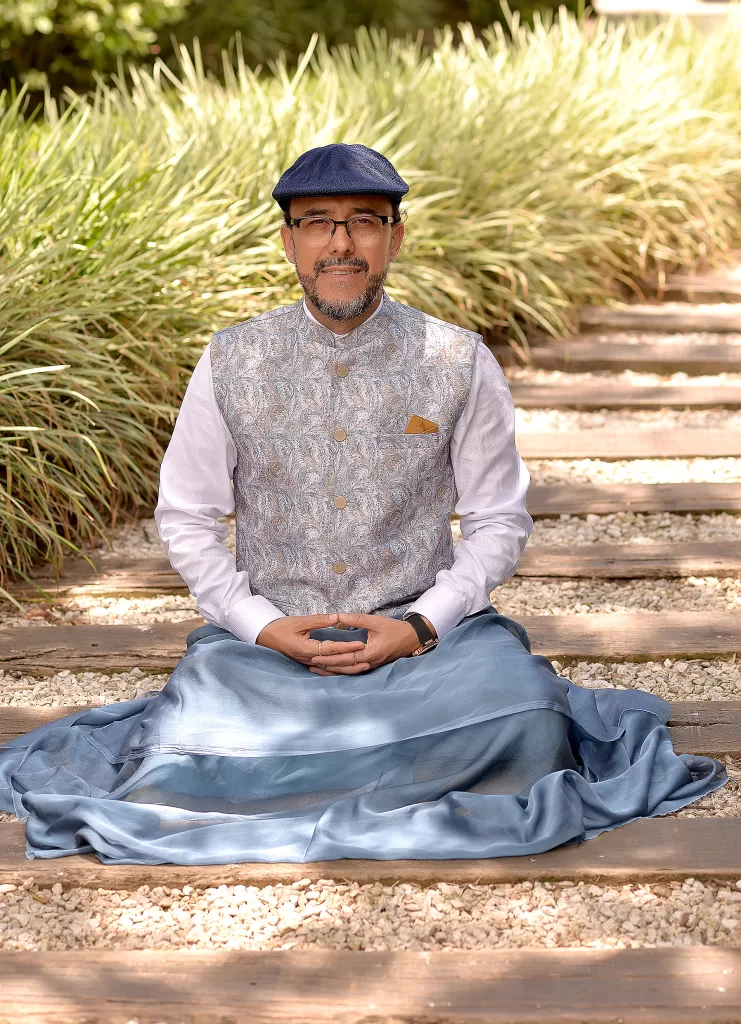
॥ विवेकचूडामणि ॥ … Vivekacūḍāmaṇi … by Acharya Tadany
Class 141, Oct 29, 2026.
Summary
Three Methods of Knowing Ātman
Śaṅkarācārya presents three essential conditions for knowing one’s true nature:
- Ayam aham iti vidhi — Recognize “This Ātman, I am”
- The first condition is to know Ātman as one’s very self, not as something one possesses
- This prevents the mistake of thinking “I have an immortal Ātman” rather than “I am Ātman”
- This knowledge must be unquestionable, free from doubt and vagueness
- It is not a mantra for repetition but a fact to be realized
- Sākṣāt vidhi — Know it directly/immediately without medium
- The word aparokṣa means immediate, direct knowledge
- “Direct” here does not mean face-to-face or objective knowledge, but rather knowledge without any intermediary
- Ātman is self-illumining and does not require any means of knowledge (pramāṇa) to be known
- The very subject itself is known immediately, not as an object
- Niyamita manasā vidhi — Know it with a disciplined, purified mind
- The mind must be free from emotional disturbances, complexes, and core issues
- A mind free from deep-seated trauma, inferiority complexes, or emotional hooks
- This represents the basic qualification (adhikāra) for any Vedānta student
3. The Mind-Intellect Relationship
Acharya Tadany explained the relationship between mind (emotional aspect) and intellect (cognitive aspect) through a powerful analogy:
- The mind is like a child, the intellect like the parent
- When a child is emotionally healthy and independent, parents are free to do their work
- When a child is grumpy, cranky, and needy, parents cannot concentrate on their tasks
- Similarly, an emotionally disturbed mind hijacks the intellect and holds it hostage
- The intellect can only function freely when the emotional mind releases it
4. Vedānta as an Intellectual Proces
Acharya Tadany emphasized that the entire Vedānta methodology—śravaṇam (hearing), mananam (reflection), and nididhyāsanam (meditation)—is purely cognitive and intellectual. There is no scope for “emotional understanding” in Vedānta study. Therefore, emotional stability is not optional but essential for this study.
5. Methods for Achieving Emotional Health
The śāstra offers several tools for managing and purifying the emotional mind:
- Religion and devotion (bhakti) — Developing a personal relationship with Bhagavān or one’s chosen deity (iṣṭadevatā)
- Psychology — Understanding and working with mental patterns
- Karma yoga — The yoga of selfless action
- Life of values — Ethical living and character development as taught in Bhagavad Gītā
These tools help make the mind healthy, which in turn releases the intellect to perform its cognitive functions.
6. The Power of Faith and Its Benefits
Acharya Tadany shared insights about how faith (śraddhā) supports both mental and physical well-being:
- People with strong faith often maintain emotional stability despite severe adversities
- Statistical studies show believers heal faster than skeptics
- Faith improves psychological health, which in turn improves physical and biological health
- For students of Vedānta who understand Bhagavān as sṛṣṭi-sthiti-laya-kāraṇam (cause of creation, sustenance, and dissolution), faith should be even stronger
- Understanding that there is no separation between the individual and the cosmic principle strengthens devotion
7. Conclusion
Śaṅkarācārya’s verse 136 establishes that psychological health is a prerequisite for Vedānta study. Without it, the intellect remains imprisoned by an emotionally unstable mind. The class will continue with further exploration of these concepts in the next session.
Sanskrit Terms and Meanings
| Sanskrit Term | Devanāgarī | Meaning |
| Ātman | आत्मन् | The true Self; one’s real, higher nature; pure consciousness |
| Vivekacūḍāmaṇi | विवेकचूडामणि | “Crest-Jewel of Discrimination,” a major Vedānta text by Śaṅkarācārya |
| Śaṅkarācārya | शङ्कराचार्य | Adi Shankaracharya, the great 8th-century philosopher and reformer of Vedānta |
| Vedānta | वेदान्त | The culmination of Vedic knowledge. |
| Ayam aham iti | अयम् अहम् इति | “This I am”; recognizing Ātman as oneself |
| Sākṣāt | साक्षात् | Directly, immediately, without medium |
| Aparokṣa | अपरोक्ष | Immediate, direct knowledge (not mediated) |
| Niyamita manasā | नियमित मनसा | With a disciplined, regulated mind |
| Pramāṇa | प्रमाण | Means of valid knowledge |
| Śravaṇam | श्रवणम् | Listening to the teachings |
| Mananam | मननम् | Reflection on the teachings |
| Nididhyāsanam | निदिध्यासनम् | Deep meditation on the teachings |
| Śraddhā | श्रद्धा | Faith, trust, devotion |
| Bhakti | भक्ति | Devotion |
| Iṣṭadevatā | इष्टदेवता | One’s chosen deity |
| Karma yoga | कर्म योग | The path of selfless action |
| Śāstra | शास्त्र | Scripture, sacred texts |
| Bhagavān | भगवान् | The Lord, God |
| Sṛṣṭi-sthiti-laya-kāraṇam | सृष्टि-स्थिति-लय-कारणम् | The cause of creation, sustenance, and dissolution |
| Guru paramparā | गुरु परम्परा | The lineage of teachers |
| Adhikāra | अधिकार | Qualification, fitness for study |
| Antaḥkaraṇa | अन्तःकरण | The inner instrument (mind-intellect complex) |
| Śuddha | शुद्ध | Pure, clean |
| Caitanya | चैतन्य | Consciousness |
| Vikāra | विकार | Modification, change, transformation |
| Nitya | नित्य | Eternal |
| Mokṣa | मोक्ष | Liberation, spiritual freedom |
Acharya Tadany