Tadany Um refúgio para a alma e um convite à consciência.

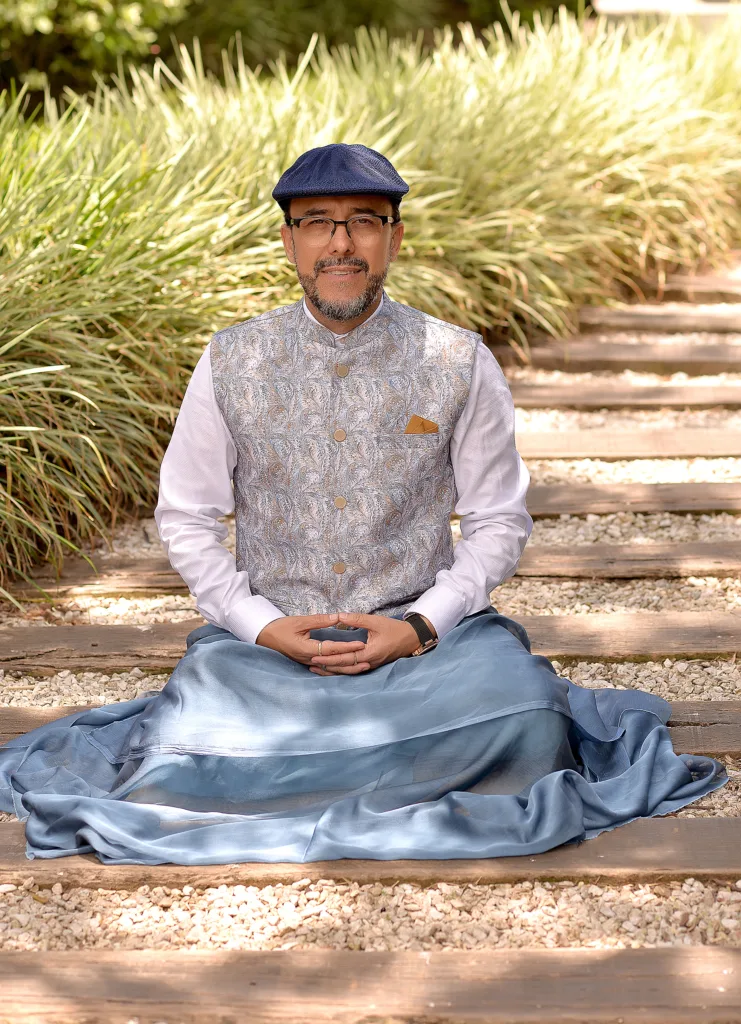
Bhagavad Gītā – Chapter 4, Acharya Tadany
Summary – Class 182
Date: June 6, 2026
In this class, Acharya Tadany clarified important questions about deep sleep and the witness consciousness, then presented Krishna’s teaching on the twelve forms of yajña (spiritual disciplines).
Questions Before Class: Deep Sleep and the Witness
Acharya Tadany explained the three states of experience:
- Jagrat (Waking): Engagement with the external world.
- Svapna (Dream): Activity of the subtle body.
- Suṣupti (Deep Sleep): The gross and subtle bodies are resolved into the causal body, while the Sākṣī (Witness Consciousness) remains ever awake and unaffected.
Even in deep sleep or during cosmic dissolution (pralaya), the eternal witness consciousness never ceases. It is never an object and therefore cannot become unconscious.
The Twelve Spiritual Disciplines (Yajñas)
Acharya Tadany detailed the twelve yajñas taught by Krishna, which are different forms of spiritual offering:
The First Five Yajñas:
- Jñāna Yoga Yajña – The offering of knowledge (direct path to liberation).
- Daiva Yajña – Ritualistic worship and devotion.
- Viṣaya Bhoga Yajña – Experiencing the world as an offering.
- Indriya Saṃyama Yajña – Control of the senses.
- Śama Yajña – Discipline of the mind.
Additional Yajñas:
- Dravya Yajña – Charity and sharing of material resources.
- Tapo Yajña – Austerity and self-discipline.
- Yoga Yajña – Practice of yoga and meditation.
- Svādhyāya Yajña – Study of scriptures.
10–12. Other forms of wisdom cultivation and offering.
The Central Teaching
While all eleven preparatory yajñas are extremely valuable for purifying the mind and preparing the seeker, only Jñāna Yoga is the direct means to liberation (sākṣāt mokṣa kāraṇam). All other practices are indirect — they support the journey but must ultimately lead to Self-knowledge for liberation to occur.
Special emphasis was placed on Dravya Yajña (charity), which helps reduce attachment and miserliness while maintaining balance in the universe.
Key Takeaways
- The witness consciousness (Sākṣī) remains ever-present in all three states of experience.
- There are many valuable spiritual practices, but only Self-knowledge leads directly to mokṣa.
- All actions and experiences can be transformed into spiritual offerings (yajña).
- Regular practice of charity purifies the mind and reduces ego-identification with possessions.