Tadany Um refúgio para a alma e um convite à consciência.

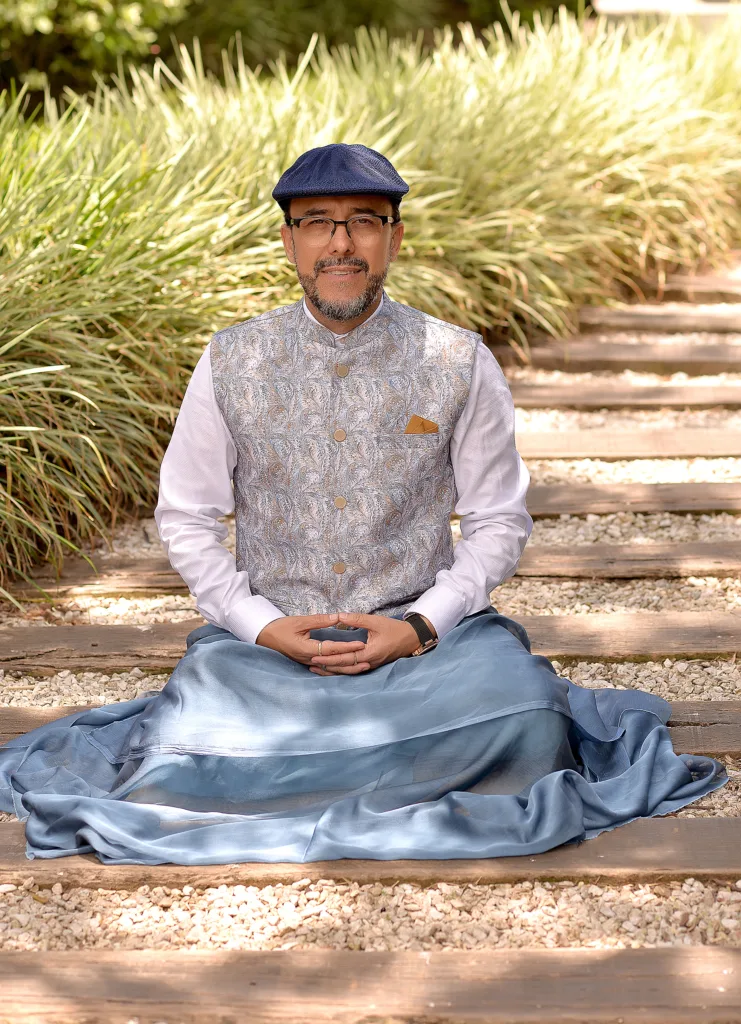
Bhagavad Gītā – Chapter 6, Acharya Tadany.
Summary – Class 226
Date: July 21, 2026
In this class, Acharya Tadany continued the study of Dhyāna Yoga (the Yoga of Meditation), focusing on the nature of the restless mind and practical approaches to meditation.
Chapter Six Overview: Dhyāna Yoga
Acharya Tadany outlined the four major components of the sixth chapter:
- General Disciplines (bahiraṅga-sādhana) — Foundational lifestyle guidelines.
- Specific Disciplines (antaraṅga-sādhana) — Techniques for meditation preparation.
- The Meditation Process (Dhyāna Prakriyā) — Stages and methodology of meditation.
- Benefits of Meditation (Dhyāna Phalam) — Results of sustained practice.
The Hyperactive Mind: Arjuna’s Challenge
A central theme was Arjuna’s honest admission about the difficulty of controlling the mind. He described it as:
- Restless and turbulent (cañcala).
- Outgoing in nature (bahirmukha).
- Strongly focused on sense objects (pramāthi).
Krishna acknowledged this difficulty, comparing the attempt to control the mind to trying to stop the wind. However, he assured Arjuna that while challenging, it is possible through sustained practice (abhyāsa) and detachment (vairāgya).
The Four Main Obstacles in Meditation
Acharya Tadany reviewed the four primary hindrances:
- Laya — Dullness or sleepiness.
- Vikṣepa — Mental restlessness and wandering.
- Kaṣāya — Suppressed emotions surfacing.
- Rasāsvāda — Attachment to meditative pleasure.
Remedies and Different Approaches
Practical solutions include proper diet, adequate sleep, consistent practice, and discriminative wisdom (viveka). Different meditation techniques suit different personalities:
- Mantra repetition (japa)
- Ritual worship (pūjā)
- Scriptural memorization
- Visualization of divine forms
- Philosophical inquiry
Students were encouraged to experiment and discover what naturally suits their temperament.
Key Takeaways
- The mind is inherently restless and difficult to control — this is normal, not a failure.
- Meditation requires both general and specific disciplines.
- Different techniques work for different temperaments; there is no “one size fits all.”
- Consistent, patient practice (abhyāsa) combined with detachment gradually brings the mind under control.
- Conquering the mind is the greatest victory in life.