Tadany Um refúgio para a alma e um convite à consciência.

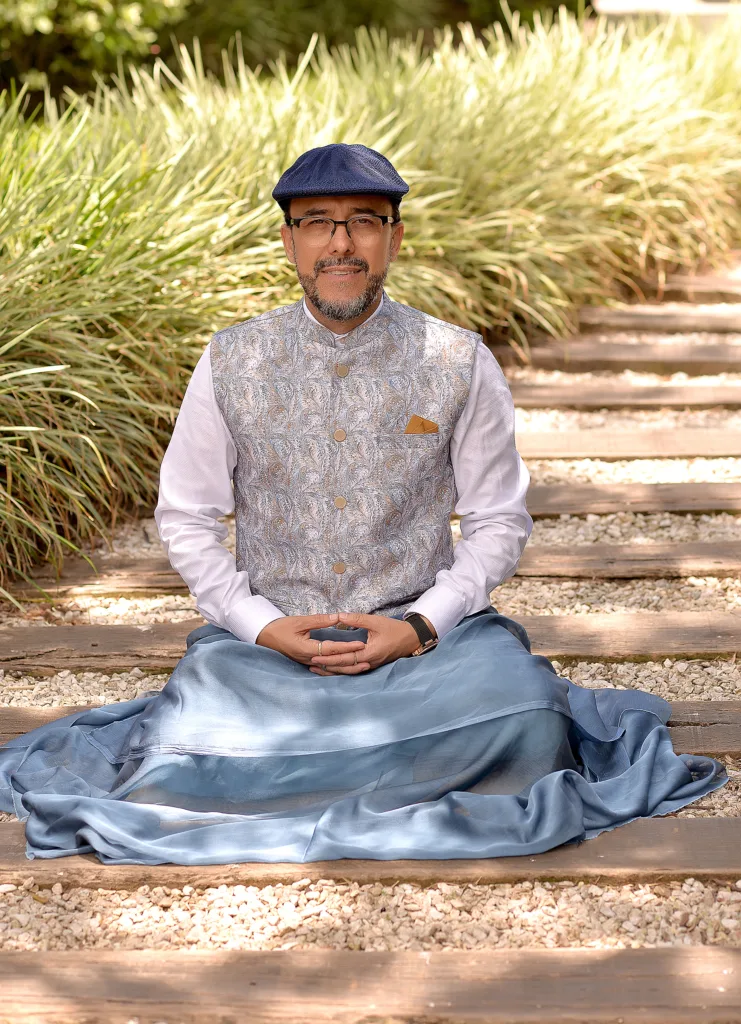
॥ भगवद् गीता ॥ … Bhagavad Gītā … By Acharya Tadany
Chapter 6, – Class 229
By Acharya Tadany
Aug 11, 2026.
Summary
The Three Rare Converging Factors for Liberation
Acharya Tadany continued teaching from the previous class, building upon the discussion of the spiritual seeker’s journey toward mokṣa (liberation). He explained that achieving mokṣa requires three extraordinarily rare factors to converge simultaneously:
- Human birth (manuṣya-janma): The precious opportunity of being born as a human being with the capacity for self-inquiry and spiritual understanding.
- The desire for spiritual knowledge (mumukṣutva): A genuine, deep longing for liberation and freedom from suffering, rather than merely seeking worldly goals.
- Access to a qualified guru: Finding a teacher who has both realized the truth and possesses the ability to guide others on the path.
Acharya Tadany emphasized that while mokṣa itself is always available—being one’s true nature—the conditions necessary for assimilating this knowledge do not always come together. This rarity makes the spiritual journey both precious and challenging.
Arjuna’s Concern: The Fate of the Unsuccessful Spiritual Seeker
During this teaching, Arjuna expressed a profound concern that revealed his deep understanding of the spiritual path. He asked what happens to spiritual seekers who, despite genuine commitment, sincere effort, and proper discipline, cannot attain mokṣa in their lifetime. This question demonstrated several important qualities in Arjuna:
- His recognition of the supreme value of the spiritual goal
- His concern about the potential loss of all efforts and discipline invested in the spiritual journey
- His worry that a seeker might lose both worldly success (by renouncing it) and spiritual achievement (by not attaining mokṣa)
Acharya Tadany noted that Arjuna’s question reflected a certain pessimism about the spiritual journey—a concern that even sincere seekers might fall short of the ultimate goal, making their entire effort seem futile. This set the stage for Kṛṣṇa’s response, which would be explored in the next class.
Q&A after class
Why Life Requires Constant Effort: Understanding Human Nature
Antonina raised a personal and universal question: Why does life seem to require constant struggle, effort, and self-discipline? Why can’t we simply relax and enjoy life without this perpetual need to strive?
Acharya Tadany provided a comprehensive explanation rooted in Vedāntic psychology:
- The sophisticated but untrained instrument: Human beings possess sophisticated spiritual instruments—the mind, intellect, and free will—but we are rarely properly educated in how to use them skillfully.
- The nature of free will: Unlike animals who operate primarily on instinct, humans have the capacity to make choices and navigate both favorable (iṣṭa) and unfavorable (aniṣṭa) circumstances consciously.
- The mixture of experiences: Life inherently involves a mix of positive and negative experiences, pleasures and pains, successes and failures. This is the fundamental nature of saṃsāra (the world of change).
Acharya Tadany used a practical metaphor: Life is like weather. Rather than complaining about rain or praying for it never to rain, we should prepare ourselves with appropriate tools—umbrellas, raincoats, and proper planning. Similarly, we should prepare ourselves mentally and emotionally for life’s inevitable challenges rather than wishing they didn’t exist.
The Three Guṇas and the Need for Self-Discipline
Building on Antonina’s question, Acharya Tadany explained the Vedāntic teaching of the three guṇas (fundamental qualities of nature) and their role in human behavior:
- Tamas (तमस्): The quality of inertia, heaviness, ignorance, and resistance. This is the default state of human nature—a tendency toward laziness, procrastination, and remaining in one’s comfort zone.
- Rajas (रजस्): The quality of activity, passion, dynamism, and effort. This quality must be deliberately cultivated to overcome the natural tāmasic (tamasic) tendency.
- Sattva (सत्त्व): The quality of clarity, balance, harmony, and wisdom—the ultimate goal of spiritual practice.
Acharya Tadany explained that because human nature is inherently tāmasic, we must employ rājasic (rajasic) effort—active, disciplined practice—to move toward sattva. This explains why self-discipline feels necessary: we are working against the gravitational pull of inertia and habit.
Being Your Own Best Friend: Self-Compassion on the Spiritual Path
In response to the discussion about constant effort, Acharya Tadany offered crucial practical advice for spiritual practitioners:
- Avoid excessive harshness: Do not be overly strict, rigid, or punishing toward yourself. This approach often leads to burnout and abandonment of practice.
- Cultivate self-friendship: Learn to be your own best friend, supporter, and motivator. Speak to yourself with kindness and encouragement, as you would to a dear friend.
- Practice emotional independence: Develop the ability to support and motivate yourself, rather than depending solely on external validation or encouragement.
- Maintain consistency without rigidity: Choose one area of self-care—such as exercise, diet, or meditation—and practice it consistently, but with flexibility and understanding toward yourself.
This teaching balanced the need for discipline with the equally important need for self-compassion, creating a sustainable approach to spiritual practice.
The Role of Śraddhā (Faith) in Spiritual Practice
Acharya Tadany shared from his personal experience, having maintained spiritual discipline for over 20 years, and highlighted the crucial role of śraddhā (श्रद्धा)—faith or reverential trust—in sustaining one’s practice and the Guru’s suggestions:
- Faith in the teachings: Trust in the validity and efficacy of the spiritual teachings themselves.
- Faith in the guru: Confidence in the wisdom and guidance of one’s qualified teacher, even when the path seems difficult or the results are not immediately visible.
- Faith in the process: Understanding that spiritual growth unfolds gradually and that consistent practice yields results over time, even when progress isn’t immediately apparent.
Acharya Tadany emphasized that śraddhā is not blind belief, but rather an informed trust based on the teaching’s logical consistency, the guru’s qualifications, and one’s own growing understanding. This faith serves as an anchor during challenging periods when motivation naturally wanes.
Acharya Tadany