

 Tadany Um refúgio para a alma e um convite à consciência.

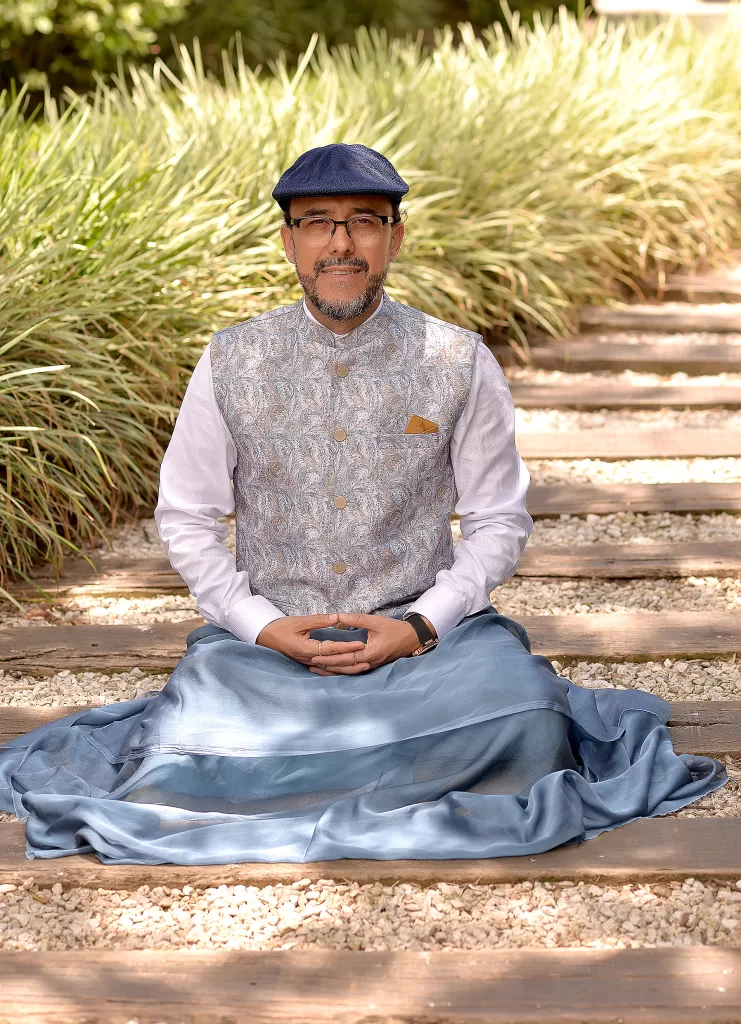
॥भगवद्गीता॥ … Bhagavad Gītā … by Acharya Tadany
Chapter 6, Class 239, Oct 20, 2026.
Summary
Acharya Tadany provided a comprehensive summary of the sixth chapter of the Bhagavad Gītā, focusing on śloka numbers 18 through 32. This section of the Gītā addresses the practice and principles of meditation from the Vedāntic perspective.
Dhyāna Svarūpam: The Essence of Meditation
Acharya Tadany explained the fundamental concept of Dhyāna Svarūpam — the essence or true nature of meditation. He described meditation as the mind dwelling upon a chosen object for a continuous period of time. This definition emphasizes that meditation is not about emptying the mind, but rather about sustained, focused attention on a specific subject.
Vedāntic Meditation: Directing Thoughts, Not Silencing Them
A crucial teaching from the class was that Vedāntic meditation involves directing thoughts rather than silencing them. Unlike some meditation traditions that aim to stop all mental activity, Vedāntic meditation recognizes that the mind remains active during meditation. The key is to consciously direct the mind’s attention toward spiritual teachings and wisdom from Vedānta and Śāstra (scriptures). The meditator has the freedom and responsibility to choose the subject matter for contemplation.
The Three Stages of Meditation
Acharya Tadany outlined the three progressive stages of meditative practice:
1. Dhāraṇā (Focusing the Mind)
The first stage involves bringing the mind to focus on a chosen object or teaching. This is the initial effort to gather the scattered attention and direct it toward a single point of concentration. In this stage, the practitioner experiences the challenge of the wandering mind — thoughts may drift to various subjects, memories, plans, or distractions. The practice of dhāraṇā requires gentle but persistent effort to repeatedly bring the mind back to the chosen subject whenever it wanders. This is like training a muscle; with regular practice, the ability to focus becomes stronger and more natural. The chosen subject in Vedāntic meditation is typically a teaching from the scriptures or a fundamental truth about the nature of the Self.
2. Dhyānam (Retaining Focused Attention)
In the second stage, the practitioner maintains and sustains the focused attention established in dhāraṇā. The mind continues to dwell on the chosen subject with steadiness and continuity. Here, the effort becomes less strenuous as the mind develops a natural affinity for the subject of meditation. While in dhāraṇā the mind repeatedly wanders and must be brought back, in dhyānam the mind remains relatively steady on the chosen thought, though some subtle fluctuations may still occur. This stage is characterized by an unbroken flow of contemplation — like a continuous stream of oil being poured from one vessel to another. The meditator begins to penetrate deeper into the meaning and implications of the teaching being contemplated.
3. Samādhi (Complete Absorption)
The third and deepest stage occurs when the meditator becomes completely absorbed in the subject matter. There is a profound union between the meditator and the object of meditation, resulting in direct experiential understanding. In samādhi, the distinction between the knower, the process of knowing, and the object of knowledge dissolves into a unified experience of truth. The mind is no longer actively working to maintain focus; instead, it rests naturally and effortlessly in the truth being contemplated. This is the culmination of meditation where intellectual understanding transforms into direct, intuitive realization. In the context of Vedāntic meditation, samādhi leads to Ātma-jñāna — Self-knowledge — where one experientially recognizes one’s true nature as pure consciousness (Chaitanya), distinct from the temporary body-mind complex.
The Subject Matter of Vedāntic Meditation
Acharya Tadany emphasized that spiritual seekers should focus their meditation on teachings from Vedānta and Śāstra. Specifically, practitioners should contemplate the fundamental truth that:
- The body-mind-sense complex is temporary and ever-changing (anātmā — not the true Self)
- The consciousness principle (Chaitanya) is one’s true nature — eternal, unchanging, and non-dual
- Through sustained meditation on these truths, one gains direct knowledge of the Self (Ātma-jñāna)
Acharya Tadany