Tadany Um refúgio para a alma e um convite à consciência.

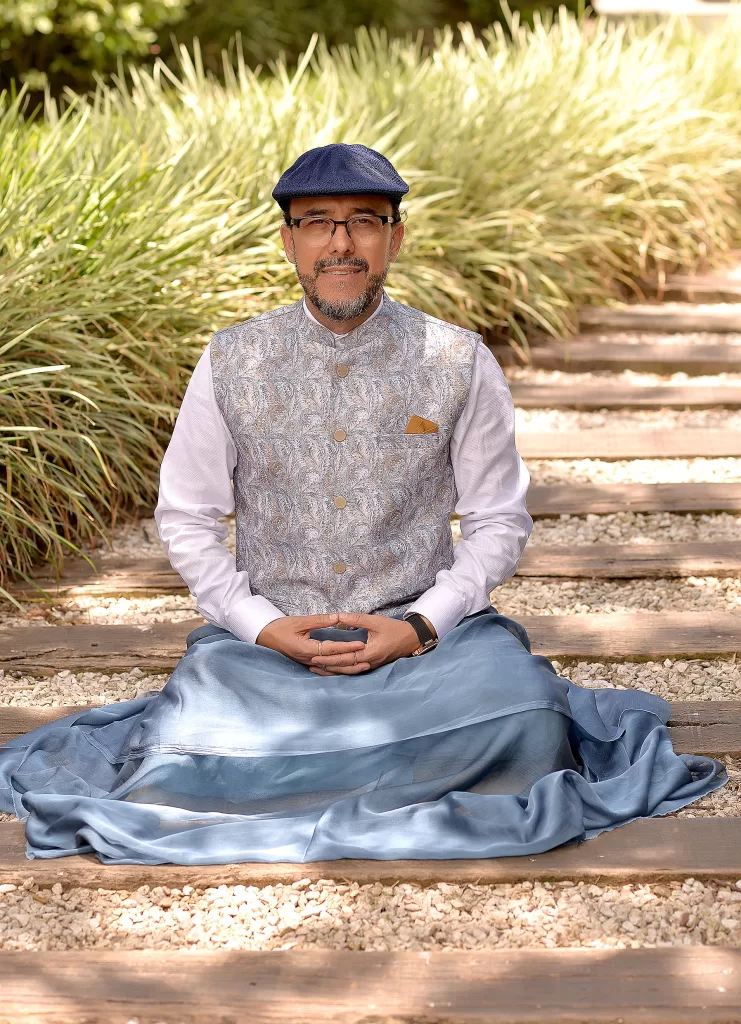
॥ भगवद् गीता ॥ … Bhagavad Gītā … by Acharya Tadany
Chapter 2 – Class 60 – Sept 11, 2025.
Summary
Karma Yoga and Jñāna Yoga
Acharya Tadany began the class by explaining the relationship between Karma Yoga and Jñāna Yoga as presented in the Bhagavad Gita. He clarified that Karma Yoga serves as a preparatory discipline for those whose minds are not yet ready for the direct path of Jñāna Yoga (the path of self-knowledge and wisdom). Most spiritual seekers need to practice Karma Yoga first to purify and prepare their minds before they can successfully engage in the contemplative practices of Jñāna Yoga.
The Four Goals of Life (Puruṣārthas)
Acharya Tadany discussed the traditional four goals of human life and their proper hierarchy. While pursuing wealth (Artha) and pleasure (Kāma) is necessary and legitimate, these should be secondary goals.
The primary aims of life should be Dharma (righteous living, inner wealth, and mental health) and Mokṣa (spiritual liberation and wisdom). This means that material pursuits should be subservient to inner growth and spiritual development, not the other way around.
The Three Guṇas and Action
A key teaching emphasized by Acharya Tadany was the transformation of one’s actions according to the three guṇas (qualities of nature). Spiritual seekers should consciously work to reduce rājasic actions (those driven by passion, desire, and agitation) and tāmasic actions (those characterized by inertia, ignorance, and delusion).
Simultaneously, they should increase sāttvic actions—selfless, harmonious actions performed with equanimity and without attachment to results. This transformation of the quality of our actions is central to Karma Yoga practice.
Developing Mental Strength and Equanimity
Acharya Tadany stressed the importance of developing mental strength to face life’s inevitable ups and downs. Rather than becoming dependent on external remedies for every problem, spiritual practitioners should cultivate the inner resilience to meet challenges with equanimity.
He explained that facing life’s difficulties actually strengthens one’s mental and emotional energy, much like exercise strengthens the physical body. This process of building mental fortitude is essential for spiritual progress.
Maintaining Sattvaguṇa Through Right Association
The principle of maintaining sattvaguṇa (discriminative knowledge and clarity of mind) was explained through the concept of right association.
Acharya Tadany emphasized that we should regularly associate with spiritual sources—sacred books, wisdom teachings, and spiritually-minded people. This association helps maintain mental clarity and prevents the mind from being pulled down by negative influences or materialistic tendencies.
Balancing Modern Life with Spiritual Practice
Addressing the challenges of contemporary life, Acharya Tadany discussed the need to balance modern conveniences with spiritual growth. He suggested small, practical exercises like reducing screen time, giving up certain habits temporarily, or practicing voluntary simplicity.
These practices help build mental strength and reduce our dependency on comfort and convenience, which can otherwise weaken our spiritual resolve.
Practical Techniques: Counter-Thinking and Emotional Cleansing
Acharya Tadany introduced two specific practices for daily spiritual hygiene. The first is counter-thinking—a technique to actively challenge and transform negative thought patterns and reduce dependency on external factors for peace and happiness.
The second is a daily emotional cleansing exercise, which can be performed during routine activities like showering. This practice prevents the accumulation of undesirable emotions and helps maintain mental clarity and equilibrium throughout one’s daily life.
Q&A after class
The Gṛhastha Path: Householder Life as Spiritual Practice
In response to Preksha’s concerns about balancing work life with spiritual authenticity, Acharya Tadany explained the profound value of the gṛhastha (householder) lifestyle. He emphasized that this path is often the best for spiritual growth and purification of the mind, as it provides abundant opportunities to develop detachment, discernment, and inner wealth through facing real-life challenges.
The complexity of life’s ecosystem, with its various roles and responsibilities, serves as an ideal training ground for spiritual development.
Understanding Life Roles and True Nature
Acharya Tadany discussed the importance of understanding one’s true nature while playing various life roles. He advised approaching work and worldly responsibilities with objectivity and detachment, recognizing them as roles to be played skillfully without allowing them to affect one’s fundamental self-worth or spiritual identity.
This understanding helps maintain inner peace and authenticity while fulfilling material responsibilities.
The principle of “Fake It Until You Make It”
Addressing questions about authenticity in spiritual practice, Acharya Tadany explained the principle of “faking it until making it.” This doesn’t mean being dishonest, but rather consciously practicing positive qualities and behaviors even before they feel completely natural. Through consistent practice and repetition, these initially “artificial” positive qualities gradually become authentic aspects of one’s character.
This principle applies to both worldly skills and spiritual qualities, helping practitioners develop authenticity through deliberate practice.
Study and Spiritual Community (Satsaṅga)
In response to Sandra’s question, Acharya Tadany encouraged the study of inspiring and Sanskrit-based spiritual texts. He also emphasized the importance of satsaṅga—gathering with like-minded people for spiritual discussion, mutual support, and collective growth.
These practices provide the environment and inspiration necessary for sustained spiritual development and help protect the mind from negative influences in daily life.
Acharya Tadany