Tadany Um refúgio para a alma e um convite à consciência.

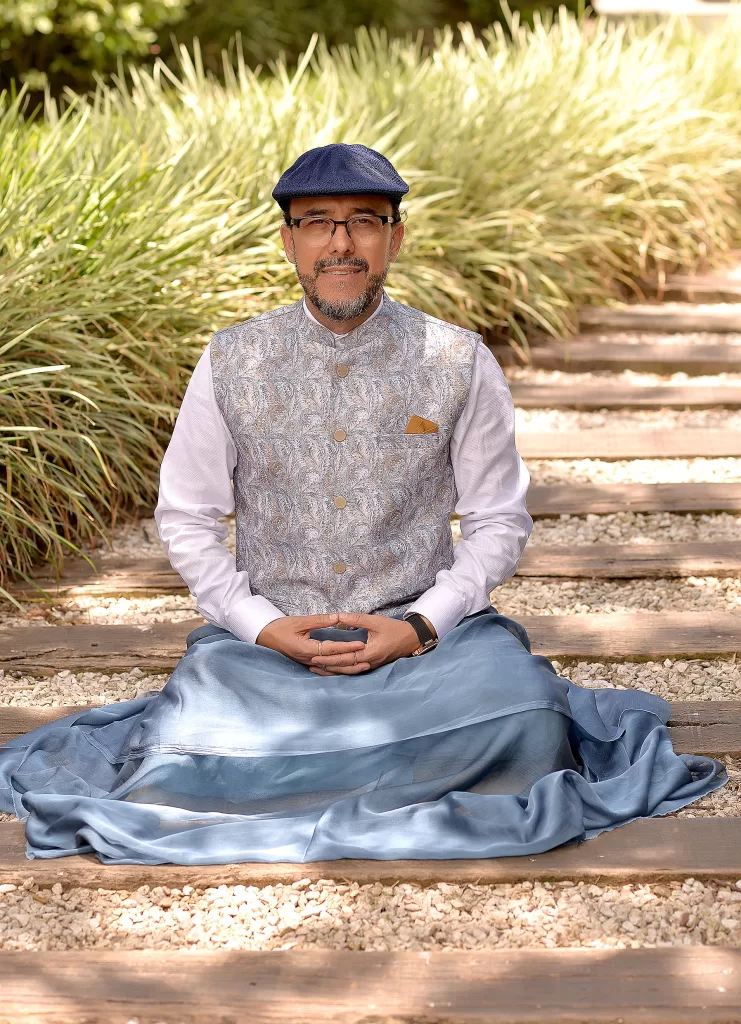
गवद् गीता ॥ … Bhagavad Gītā … by Acharya Tadany
Chapter 4, Class 197, Sept 17, 2026.
Summary
Overview of Chapter 4
Acharya Tadany conducted a comprehensive class on the fourth chapter of the Bhagavad Gita, titled Jñāna Karma Sannyāsa Yoga (The Yoga of Knowledge, Action, and Renunciation).
This chapter is philosophically rich and is divided into three main portions, each addressing fundamental questions about spiritual life and the nature of divine reality:
- Īśvara Avatāra – The concept of divine incarnation
- Jñāna Karma Sannyāsa – Knowledge, action, and renunciation
- Jñāna Sādhana Phalāni – The means of gaining self-knowledge
Each of these portions builds upon the previous one, creating a comprehensive framework for understanding the path to liberation.
The chapter begins with the profound mystery of how the eternal Lord takes birth, then explores the relationship between knowledge and action, and finally provides practical guidance for those seeking self-realization.
Īśvara Avatāra: Divine Incarnation
The primary focus of this class was understanding the profound mystery of Īśvara avatāra — how the eternal, unborn, imperishable Lord appears to take birth in the world. This concept raises fundamental questions: If the Lord is eternal and beyond birth and death, how can He be born? What is the nature of this divine birth?
Acharya Tadany systematically explained three fundamental distinctions between divine incarnation and ordinary human birth, each revealing important truths about the nature of consciousness, freedom, and purpose:
1. Cause of Manifestation
- Human Birth: Caused by avidyā/ajñānam (fundamental ignorance of one’s true nature) and the karmic consequences of past actions. Human beings are born due to accumulated karma from previous lifetimes, which creates the compulsion to take embodiment. This birth is involuntary and driven by the momentum of past desires, attachments, and actions that remain unfulfilled.
- Divine Incarnation: Driven entirely by knowledge (jñāna), compassion (karuṇā), and the conscious, free choice to descend for the welfare of the universe. The Lord is not compelled by karma or ignorance; rather, (S)He chooses to assume a form out of love for creation and to restore righteousness when it declines. This is a voluntary, purposeful act of grace.
This distinction is crucial because it establishes that while human beings are subject to the laws of karma and must work through their past actions, the divine avatar operates from a completely different principle. The avatar’s birth is not a consequence but a conscious intervention in the cosmic order.
2. Nature of Existence
- Human Beings: Bound by avidyā (ignorance of their true Self), subject to the limitations of body and mind, experiencing life as obligation and struggle. Human existence is characterized by saṃsāra — the cycle of birth, death, and rebirth — where one is caught in patterns of desire, aversion, pleasure, and pain. The embodied soul forgets its true nature and identifies with the limited, changing body-mind complex.
- Avatāras: Remain completely free and playful (līlā), not bound by karmic consequences, maintaining complete awareness of their divine nature and freedom even while embodied. The avatar appears to act in the world but is never actually limited by the body or affected by worldly experiences. What appears as birth, life, and even death to observers is actually divine play, undertaken consciously and joyfully.
The concept of līlā is particularly significant. While human beings struggle and suffer due to identification with the body-mind, the avatar remains in a state of eternal freedom and bliss. The avatar’s actions in the world are not driven by need, desire, or compulsion, but are spontaneous expressions of divine will, performed for the benefit of creation.
This is comparable to an actor who plays a role on stage while never forgetting their true identity — except that the avatar’s awareness is infinitely more complete and unshakeable.
3. Purpose of Manifestation
- Human Birth: Serves to exhaust past karma (prārabdha karma — the portion of accumulated karma that has begun to manifest in the current lifetime) and provides opportunities for spiritual growth and eventual liberation. Each human life is an opportunity to resolve past karmic debts, purify the mind, and ultimately gain self-knowledge that leads to freedom from the cycle of rebirth.
- Divine Incarnation: Descends to maintain and uplift the universe (loka-saṅgraha), restore dharma (cosmic and moral order), protect the righteous, transform or remove those who create disharmony, and guide humanity back to righteous living. The avatar’s purpose is entirely outward-focused, serving the collective welfare of all beings.
These three distinctions reveal the fundamental difference between conditioned existence and absolute freedom. While human beings are born due to past karma, bound by ignorance, and seeking liberation, the divine avatar is born by choice, remains forever free, and descends solely to help others. Understanding this distinction helps students appreciate the unique nature of Lord Krishna’s teachings in the Bhagavad Gita — they come not from someone who has merely achieved liberation, but from the source of all existence itself, speaking from perfect knowledge and absolute freedom.
Maintenance of the Universe
Acharya Tadany explained that Bhagavān (the Lord) maintains the universe through ṛta — the cosmic order or natural law that governs all existence. This maintenance operates on two levels: indirect and direct.
Indirect Maintenance Through Dharma
Ordinarily, the universe is maintained through dharma — the natural order and righteous principles that guide human behavior. When human beings follow dharma and live according to common sense principles, natural law, and ethical guidelines, the universe functions harmoniously without need for direct divine intervention. This includes:
- Sva-dharma — performing one’s own duties appropriate to one’s stage of life and role in society
- Sāmānya-dharma — universal ethical principles such as truthfulness, non-violence, compassion, and integrity
- Following natural law and living in harmony with the cosmic order
- Maintaining balance between material prosperity and spiritual values
When people fulfill these responsibilities, society functions smoothly, individuals grow spiritually, and the cosmic order sustains itself through the collective righteous actions of humanity. In this ideal state, divine intervention in the form of avatāra is unnecessary.
Direct Intervention Through Avatāra
However, when humanity deviates significantly from dharmic principles and fails to uphold righteousness — when adharma (unrighteousness, disorder) increases and dharma declines — Lord Krishna may intervene directly through avatāra forms to restore proper order and reestablish dharma in the world.
This intervention becomes necessary when:
- Righteous people are oppressed and unrighteous people dominate
- Ethical and spiritual values are forgotten or deliberately rejected
- Society descends into chaos, violence, and corruption
- The balance between dharma and adharma tips dangerously toward disorder
In such times, the avatar descends not to punish, but to restore balance, protect those who uphold righteousness, guide humanity back to dharmic living, and demonstrate through divine example how life should be lived. The avatar’s very presence in the world serves as a beacon of hope and a living embodiment of dharmic principles.
The class concluded with Acharya Tadany indicating that the next session would explore in detail the two specific ways through which the divine maintains the universe — corresponding to Lord Krishna’s famous declaration in the Bhagavad Gita about the purpose of His descent. These verses describe how the avatar acts both to protect the righteous and to restore dharma, providing a complete understanding of divine incarnation’s role in cosmic maintenance.
Significance for Students
Understanding Īśvara avatāra is not merely an academic or devotional exercise. It has profound practical implications for spiritual seekers:
- Trust in Divine Order: Recognizing that the universe is maintained by divine intelligence helps develop faith and surrender, reducing anxiety about worldly affairs.
- Inspiration for Dharmic Living: Understanding that disorder in the world arises from human failure to follow dharma motivates students to examine and improve their own conduct.
- Freedom as the Goal: Seeing the distinction between bound human existence and the avatar’s absolute freedom clarifies the ultimate goal of spiritual practice — not merely improving one’s circumstances, but attaining complete liberation from ignorance.
- Grace and Effort: Recognizing that divine help is available (through avatars, teachings, and grace) while understanding that individual effort (following dharma, seeking knowledge) is also essential.
This teaching establishes the foundation for understanding the rest of Chapter 4, which will delve deeper into the relationship between knowledge, action, and liberation — showing students the practical path to realize the freedom that the avatar eternally embodies.
Acharya Tadany