

 Tadany Um refúgio para a alma e um convite à consciência.

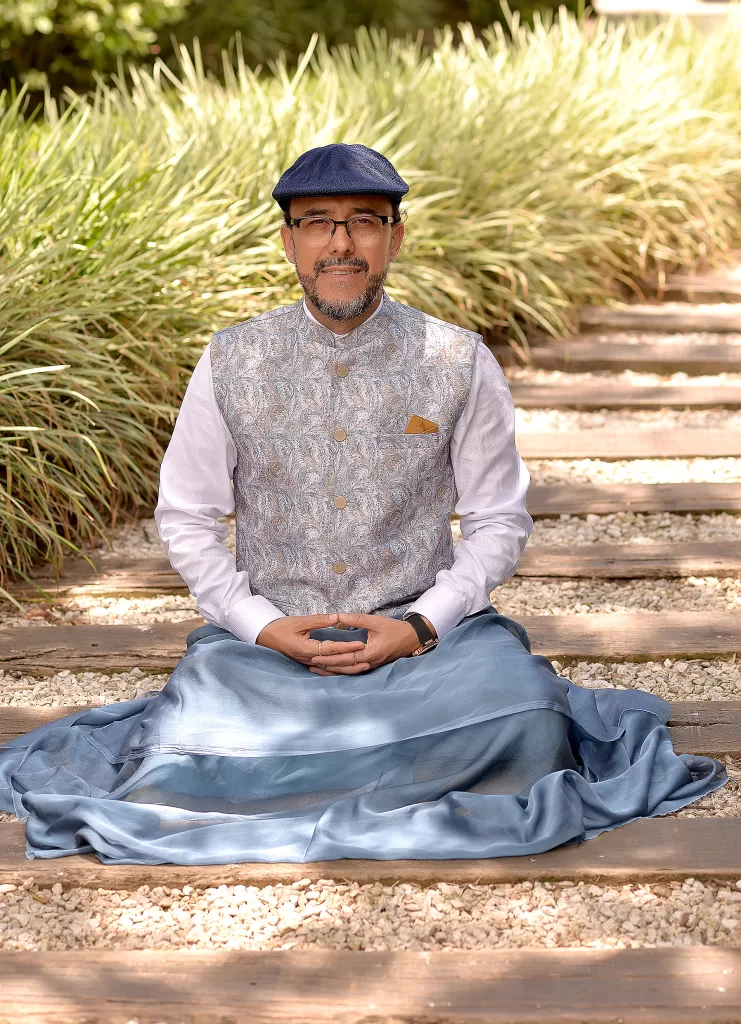
॥ भगवद् गीता ॥ … Bhagavad Gītā …by Acharya Tadany
Chapter 6, Class 240, Oct 27, 2026.
Summary
Samadhi and Vedantic Meditation
The Seven Definitions of Samādhi
Acharya Tadany explained that Lord Krishna provides seven progressive definitions of Samādhi in Chapter 6, each representing a deeper level of spiritual realization:
- Citta uparamaṇam – The mind subsides and becomes quiet, free from its usual restless movements
- Ātma-darśanam (Ātmani Eva Ātmanā Tuṣṭaḥ) – The seeker experiences absorption in the Self. Owning up his/her higher nature.
- ātyantika sukham – One enjoys maximum ānanda because I am seeing my own higher-nature
- Tattva (Ātma) niṣṭhā – Being firmly established in one’s true nature, with unwavering stability
- Ātyantika-lābha – It is a stage in which one has attained the highest in life.
- Ātyantika-duḥkha-nivrittiḥ – Complete and permanent freedom from all forms of suffering
- duḥkha samyōga viyōgaḥ – A stage in which a person is no more identified with the gains, or sufferings, of anātmā.
The Most Important Benefit: Transformation of Personality
While Samādhi brings many spiritual benefits, Acharya Tadany emphasized that the most significant and practical outcome of Vedāntic meditation is the complete transformation of one’s personality. This transformation manifests as Sarvatra Sama Darśana – the ability to see one’s true nature (pure consciousness) everywhere and in everything. This vision brings two essential qualities:
- Objectivity – The ability to see situations, people, and events clearly without the distorting lens of personal biases, likes, and dislikes
- Compassion – A natural, spontaneous flow of empathy and kindness toward all beings, arising from the recognition that the same consciousness dwells in everyone
Preferences vs. Likes and Dislikes
Acharya Tadany made an important distinction that often confuses spiritual seekers. Having preferences is natural and acceptable – we may prefer certain foods, climates, or activities based on our constitution and circumstances. A wise person (jñānī) continues to have preferences. The crucial difference is that a wise person is not emotionally enslaved by likes and dislikes.
While a preference is a simple inclination, likes and dislikes create emotional dependencies that disturb inner peace. The wise person can enjoy what they prefer when it’s available, but remains equally content when it’s not, free from craving and aversion.
Spiritual Detachment and Meditation Practices
Understanding True Detachment (Vairāgya)
Acharya Tadany clarified a common misconception about spiritual detachment. Vairāgya does not mean:
- Developing aversion or dislike toward people, objects, or situations
- Neglecting one’s duties and responsibilities
- Becoming cold, indifferent, or uncaring
- Forcing oneself to reject or abandon things
Instead, true vairāgya means maintaining inner equanimity regardless of external circumstances. Whether desired people, objects, or situations are present or absent, the wise person remains peaceful and centered. This is emotional maturity, not suppression or rejection.
The Primary Obstacle to Meditation
Acharya Tadany identified the wandering, restless nature of the mind (vikṣepa) as the main obstacle to successful meditation. The mind constantly jumps from thought to thought, memory to memory, worry to worry. This restlessness prevents the sustained attention required for deep meditation and self-realization.
The Two-Fold Remedy
To overcome the mind’s restlessness, Krishna prescribes two complementary practices:
- Abhyāsa (Consistent Practice) – Regular, disciplined meditation practice that gradually trains the mind to remain focused. Like building physical strength through exercise, mental focus develops through patient, persistent practice. This includes daily meditation, study of scriptures, and reflection on spiritual truths.
- Vairāgya (Managing Attachments and Aversions) – Systematically reducing emotional dependencies on external objects, people, and situations. This doesn’t mean abandoning them, but rather understanding that our happiness and peace cannot depend on external factors. We learn to enjoy life without being enslaved by it.
The True Source of Disturbance
Acharya Tadany made a profound point: external situations, people, or events do not disturb us. Rather, our own likes and dislikes about those externals create inner disturbance. Two people can face the same situation – one feels devastated while another remains calm. The difference lies not in the external event but in their internal emotional attachments. When we understand this, we stop blaming external circumstances and take responsibility for our inner state. The spiritual path involves gradually freeing ourselves from the tyranny of our own likes and dislikes.
Meditation and Moksha Pathways
Understanding Meditation Obstacles (Ślokas 33-36)
Acharya Tadany covered Krishna’s teaching on the obstacles to meditation and their remedies found in verses 33 to 36 of Chapter 6. These verses address the practical challenges that every meditation practitioner faces, providing both diagnosis and cure for the restless mind.
Arjuna’s Honest Question About Spiritual Failure
In a moment of genuine vulnerability, Arjuna asks Krishna a question that troubles many spiritual seekers: “What happens if I sincerely practice yoga but fail to achieve mokṣa in this lifetime? Will all my efforts be wasted?” This reflects a legitimate concern – spiritual practice requires tremendous time, energy, and dedication. What if we don’t complete the journey before death?
Krishna’s Reassuring Response: No Effort is Ever Lost
Lord Krishna provides a deeply comforting answer with two possible outcomes for the sincere spiritual seeker:
- Best Outcome: Mokṣa in This Life – If the seeker completes the journey, they attain liberation (mokṣa) – freedom from all suffering and identification with the limited body-mind complex. They realize their true nature as infinite consciousness.
- Minimum Outcome: Spiritual Progress Continues – Even if mokṣa is not achieved in this life, the seeker is guaranteed at least a heavenly existence (svarga) as a reward for their spiritual efforts. More importantly, they will be reborn in circumstances favorable to continuing their spiritual journey – perhaps in a family of wise people, in an environment conducive to spiritual practice, or with natural spiritual inclinations. No sincere effort on the spiritual path is ever wasted. Every meditation, every moment of self-inquiry, every act of selflessness creates permanent spiritual progress that continues into future lives.
Why Vedāntic Meditation is the Highest Yoga
Acharya Tadany concluded the class by emphasizing that Vedāntic meditation (dhyāna yoga focused on Self-knowledge) represents the highest form of yoga. The reason is simple yet profound: it is the final step before mokṣa. Other forms of yoga – karma yoga (yoga of action), upasana yoga, sravanam, and mananam are preparatory practices that purify and educate the mind so that the necessary qualities for Self-inquiry are cultivated and knowledge is assimilated.
Vedāntic meditation directly leads to the realization of one’s true nature as Brahman (infinite consciousness), which is mokṣa itself. It is not just about concentration or relaxation, but about the fundamental transformation of self-understanding from “I am this limited body-mind” to “I am infinite, eternal consciousness.”
Sanskrit Terms and Meanings
Bhagavad Gītā (भगवद्गीता) – “The Song of the Lord”; sacred Hindu scripture that is a dialogue between Lord Krishna and Arjuna
Dhyāna Yoga (ध्यान योग) – The yoga of meditation; the path of inner contemplation and focus
Ātma Saṁyama Yoga (आत्म संयम योग) – The yoga of self-control and self-restraint
Samādhi (समाधि) – State of meditative absorption; the culmination of meditation where subject-object duality dissolves
Vedānta (वेदान्त) – “End of the Vedas”; the philosophical system based on the Upaniṣads teaching non-duality
Sarvatra Sama Darśana (सर्वत्र सम दर्शन) – Equal vision everywhere; seeing the same consciousness in all beings and things
Abhyāsa (अभ्यास) – Consistent, repeated practice; disciplined effort to train the mind
Vairāgya (वैराग्य) – Dispassion; freedom from attachments and aversions without aversion itself
Mokṣa (मोक्ष) – Liberation; freedom from the cycle of birth and death and all forms of suffering
Gītā Dhyānam (गीता ध्यानम्) – Invocation verses traditionally recited before studying the Bhagavad Gītā
Śloka (श्लोक) – Sanskrit verse; the metric form in which most Hindu scriptures are composed
Ātma Darśanam (आत्म दर्शनम्) – Vision or direct realization of the Self; seeing one’s true nature
Ānanda (आनन्द) – Bliss; the inherent nature of consciousness, beyond sensory pleasure
Jñānī (ज्ञानी) – A wise person; one who has realized the Self
Uparamaḥ (उपरमः) – Cessation; the subsiding or quieting of mental activity
Ātmani Eva Ātmanā Tuṣṭaḥ (आत्मनि एव आत्मना तुष्टः) – Satisfied in the Self by the Self alone
Ātma Pratiṣṭhā (आत्म प्रतिष्ठा) – Firmly established in the Self
Atyantika Duḥkha Saṁyogasya Viyogaḥ (अत्यन्तिक दुःख संयोगस्य वियोगः) – Complete dissociation with association towards all suffering.
Brahman (ब्रह्मन्) – The ultimate reality; infinite, eternal consciousness that is the essence of all existence
Karma Yoga (कर्म योग) – The yoga of selfless action performed without attachment to results
Bhakti Yoga (भक्ति योग) – The yoga of devotion; cultivating love and surrender to the Divine. A subset of karma yoga.
Haṭha Yoga (हठ योग) – Physical yoga practices involving postures, breathing, and purification techniques. A subset of karma yoga.
Svarga (स्वर्ग) – Heaven; a higher realm of existence attained through virtuous actions
Upaniṣads (उपनिषद्) – Ancient philosophical texts that form the foundation of Vedāntic teaching
Acharya Tadany