

 Tadany Um refúgio para a alma e um convite à consciência.

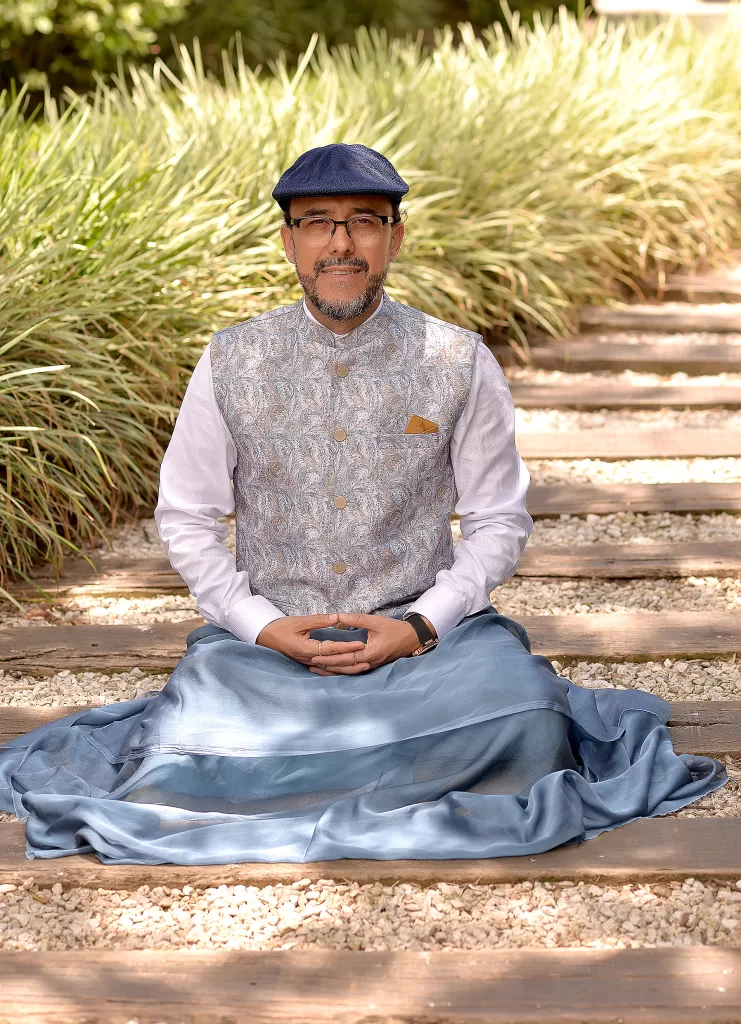
॥ भगवद् गीता ॥ … Bhagavad Gītā …by Acharya Tadany
Chapter 2 – Class 64 – Oct 17, 2026.
Summary
Verse 47: Free Will and the Limits of Control
Acharya Tadany focused on a key verse from the Bhagavad Gita (verse 47) that addresses the fundamental principle of Karma Yoga. This verse teaches that while humans possess free will to choose their actions, they cannot control the results of those actions. This limitation exists because countless other factors contribute to any outcome beyond our individual efforts.
Common Misinterpretations: Fatalism vs. Unpredictability
The class addressed a critical misunderstanding that often arises from this teaching. Many people incorrectly interpret Krishna’s words as promoting fatalism—the belief that everything is predetermined and human effort is meaningless.
Acharya Tadany clarified that this is not what Krishna intended. Instead, Krishna was pointing out that results are unpredictable rather than predetermined. This distinction is crucial for spiritual seekers to understand.
The Path of the Spiritual Seeker
Acharya Tadany emphasized that spiritual seekers should adopt a fundamentally different approach to action. Rather than depending on external outcomes for happiness and fulfillment, practitioners should:
- Focus on enjoying the action itself
- Learn from their experiences
- Prioritize inner growth over external results
- Find joy in the process rather than the outcome
The Tennis Player Analogy
To illustrate this principle, Acharya Tadany used the analogy of a tennis player. A true player finds joy in the game itself—in the movement, the skill, the challenge—regardless of whether they win or lose. Similarly, spiritual seekers should find fulfillment in the act of doing rather than in the unpredictable results.
The Dangers of Inaction
Acharya Tadany warned against two extremes: fatalism and inaction. While fatalism leads to a passive, defeated attitude, inaction prevents any opportunity for spiritual development. Action itself provides the opportunity for inner growth, learning, and self-discovery. Without action, there can be no spiritual progress.
Q&A after class
Raising Children with Spiritual Values
Preksha’s Question on Children’s Behavior
Preksha raised an important question about teaching children proper behavior and helping them handle setbacks. This practical concern reflects the challenge many parents face in raising children with strong values and resilience.
Building Resilience Through Challenges
Acharya Tadany advised that parents should encourage children to face challenges and failures rather than protecting them from difficulties. The key principles include:
- Encouraging children to try, even when failure is possible
- Allowing them to learn from their mistakes
- Supporting repeated efforts despite setbacks
- Building self-confidence through experience rather than protection
Personal Example: The Cycling Accident
Acharya Tadany shared a personal story from his teenage years about dealing with a cycling accident. This example illustrated the importance of resilience and bouncing back from difficulties—lessons that shaped his own character development.
Spiritual Growth and Self-Identity
The class concluded with deeper teaching on spiritual growth. Acharya Tadany explained that true spiritual development involves shifting one’s identification from the body-mind-sense complex to one’s higher self. This shift in perspective, combined with healthy self-esteem, enables individuals to bounce back from difficulties and maintain inner peace.
The Role of Emotional Support
While encouraging children to face challenges, Acharya Tadany emphasized that parents must remain emotionally supportive. This balance—between allowing children to face difficulties and providing emotional support—helps build both resilience and confidence.
Acharya Tadany