Tadany Um refúgio para a alma e um convite à consciência.

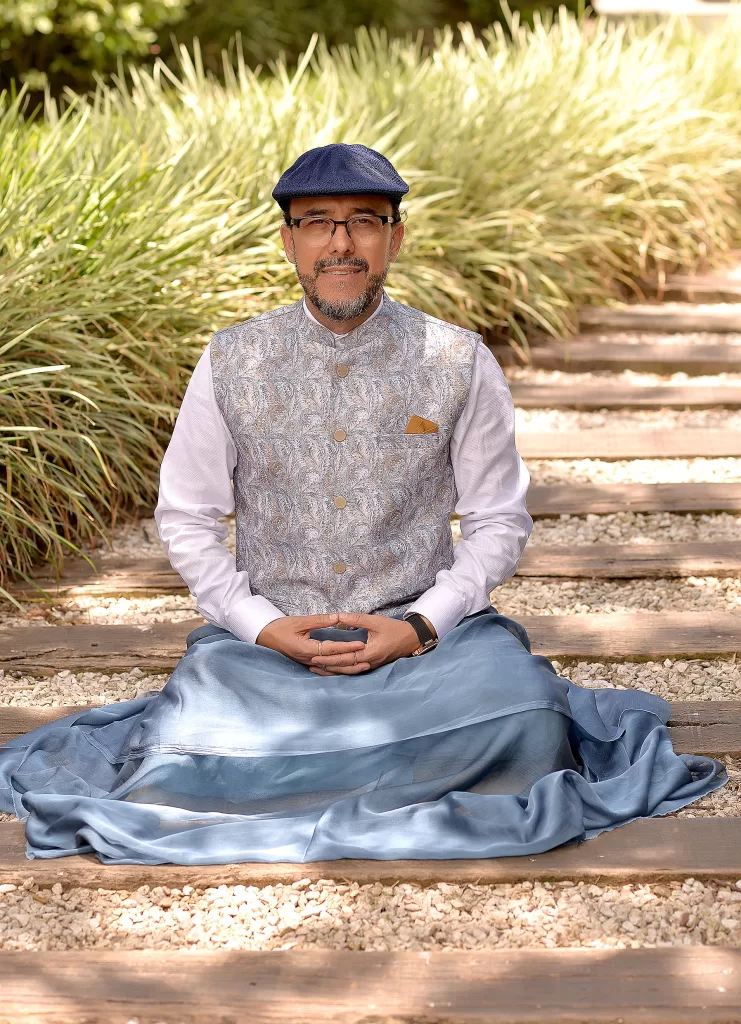
॥ भगवद् गीता ॥ … Bhagavad Gītā … by Acharya Tadany
Chapter 6, Class 236, September 29, 2026.
Summary
Chapter 6 of the Bhagavad Gītā
Acharya Tadany led an in-depth class on the sixth chapter of the Bhagavad Gītā, specifically focusing on verses 45-47. These final verses of the chapter contain Krishna’s teachings about the hierarchy of spiritual seekers and the supreme position of the Vedantic meditator.
The class was structured as a traditional Vedantic teaching, combining the sacred practice of chanting the Sanskrit verses with systematic explanation (vyākhyāna) of their meaning and practical application.
Chapter 6, known as Dhyāna Yoga (the Yoga of Meditation), concludes with Krishna’s definitive statement on the nature of true spiritual practice. Verses 45-47 serve as both a summary of different spiritual paths and a clear indication of the highest practice. Acharya Tadany emphasized that these verses are not merely philosophical statements but practical guidance for sincere spiritual seekers at various stages of their journey.
Types of Spiritual Seekers (Yogis)
Acharya Tadany provided a comprehensive explanation of Krishna’s classification of spiritual practitioners (yogis), emphasizing that each category represents a distinct stage or path in the spiritual journey. Understanding these categories helps students identify their current position and the natural progression of spiritual development.
- Karma yogis — These are practitioners who engage in selfless action (niṣkāma karma), performing their duties and responsibilities without attachment to the fruits or results of their actions. This practice purifies the mind (citta-śuddhi) and prepares it for higher spiritual practices. Karma yoga is often the entry point for most spiritual seekers, as it can be practiced in the midst of daily life and worldly responsibilities.
- Upāsanā practitioners — These seekers engage in devotional worship and meditation on specific forms or aspects of the Divine. Upāsanā involves concentration on chosen deities, mantras, or sacred symbols, gradually refining the mind and developing single-pointed focus (ekāgratā). This practice is higher than karma yoga because it involves direct engagement with the spiritual wisdom through meditation and contemplation.
- Śravaṇam practitioners — These are students who systematically listen to spiritual teachings and scriptural wisdom from qualified teachers. Śravaṇam is the first stage of Vedantic study, where students gain intellectual understanding (parokṣa-jñāna) of the ultimate truth. This practice requires regular attendance at classes, attentiveness, and receptivity to the teachings.
- Mananam practitioners — These seekers engage in deep contemplation, rational analysis, and systematic reflection on the teachings they have received. Mananam involves resolving doubts (saṃśaya-nivṛtti), reconciling apparent contradictions in the scriptures, and arriving at firm intellectual conviction (niścaya) about the nature of reality. This stage requires independent thinking and self-inquiry.
- Nididhyāsana practitioners — These are advanced practitioners who engage in Vedantic meditation on the non-dual Self (Ātman-Brahman). Nididhyāsana is continuous, profound meditation on one’s true nature as pure consciousness, transcending all limitations. This practice leads directly to aparokṣa-jñāna (direct, experiential knowledge) and ultimately to liberation (mokṣa).
Acharya Tadany clarified that while these categories appear sequential, they are not rigidly separated in practice. A sincere seeker may engage in multiple practices simultaneously, though the emphasis naturally shifts as one progresses along the spiritual path.
The Superiority of Vedantic Meditation
A central theme of Acharya Tadany’s teaching was Krishna’s emphatic glorification of the Vedantic meditator (nididhyāsana practitioner) as superior to all other types of spiritual seekers. This superiority is not based on moral judgment but on the directness and effectiveness of the practice in achieving the ultimate goal of liberation.
Acharya Tadany emphasized that while all spiritual practices have their place and value in the overall spiritual journey, the practice of nididhyāsana — continuous, deep meditation on one’s true nature as the infinite, immortal Self — is the most direct path to mokṣa (liberation). This practice transcends the limitations of ritualistic actions, the duality inherent in devotional practices, the indirect nature of intellectual learning, and even the preliminary stage of analytical thinking.
Nididhyāsana is superior because it directly addresses the root cause of bondage: ignorance (avidyā) about one’s true nature.
While karma yoga purifies the mind, upāsanā concentrates it, śravaṇam informs it, and mananam clarifies it, only nididhyāsana transforms the intellectual understanding into direct, cognitive understanding.
It is in this profound meditation that the seeker moves from knowing about the Self to being the Self — from indirect knowledge to direct recognition.
The teacher explained that this meditation involves dwelling constantly on the truth “I am Brahman” (ahaṃ brahmāsmi), not as a mere intellectual affirmation, but as a living reality that progressively dissolves all false identifications with the body, mind, and personality. This leads the seeker to the direct realization of the ultimate truth and permanent freedom from all suffering.
The Three Stages of Vedantic Study
Acharya Tadany provided a detailed explanation of the traditional three-fold process of Vedantic learning, known as śravaṇa-manana-nididhyāsana. This systematic methodology has been followed by countless seekers throughout history and represents the time-tested path to self-realization.
- Śravaṇam (Listening) — This is the systematic study of Vedantic scriptures, particularly the Upaniṣads, Bhagavad Gītā, and Brahma Sūtras, under the guidance of a qualified guru (śrotriya-brahma-niṣṭha). During this stage, students attend classes regularly and listen with full attention and receptivity. Acharya Tadany emphasized that students must approach śravaṇam with an open mind, temporarily setting aside preconceived notions, prejudices, and rigid beliefs to fully absorb the teachings. The focus should be on understanding the teacher’s exposition rather than immediately judging or resisting the ideas. This stage builds the foundation of correct knowledge about the nature of reality, the Self, and the means of liberation. Without proper śravaṇam from a qualified teacher, the subsequent stages cannot be fruitful.
- Mananam (Reflection) — After receiving the teachings through śravaṇam, the student must engage in deep, independent rational analysis. Mananam involves thinking through the teachings systematically, examining them from different angles, resolving apparent contradictions, and addressing personal doubts and questions. This stage requires intellectual rigor and honesty. The student must use reasoning (tarka) to arrive at firm conviction about the teachings. Acharya Tadany stressed that this is personal work that each student must undertake independently, though they can seek clarification from the teacher when needed. Through mananam, intellectual understanding deepens and becomes firm (niścaya), free from doubt and confusion.
- Nididhyāsana (Meditation) — This is the culminating stage where the student engages in deep, continuous meditation on the truths assimilated through śravaṇam and mananam. Nididhyāsana is not mere concentration or visualization, but profound contemplation on one’s identity with Brahman, the infinite reality. This meditation gradually dissolves the deeply ingrained sense of being a limited, individual entity and reveals the truth of one’s infinite, eternal nature. Through sustained nididhyāsana, intellectual knowledge transforms into direct, experiential recognition (aparokṣa-jñāna), which alone brings about liberation. This stage requires patience, persistence, and complete dedication to the practice.
Acharya Tadany emphasized that these three stages are progressive and interdependent. Each stage prepares the ground for the next, and none can be skipped. However, they may overlap in practice, especially as the student advances along the spiritual path.
The Role of the Guru and the Student
Acharya Tadany made an important and practical distinction regarding the respective responsibilities of the teacher and the student in spiritual education. This understanding is crucial for students to have realistic expectations and to take full responsibility for their spiritual progress.
The role of the guru is primarily in the śravaṇam stage. A qualified teacher can systematically explain the scriptures, clarify difficult concepts, answer questions, resolve doubts, and guide students in their understanding. The guru provides the map, the systematic methodology, and the correct interpretation of the teachings based on the traditional paramparā (lineage). Without a competent teacher, students may misunderstand the subtle teachings or get lost in intellectual speculation. The guru’s role is indispensable in this initial stage.
However, Acharya Tadany emphasized that the subsequent stages of mananam and nididhyāsana require sincere personal effort from the disciples. While the teacher can provide guidance and clarification during these stages, the actual work of deep reflection, resolution of personal doubts, and sustained meditation must be done by each student individually. No guru can do this inner work on behalf of the student. Spiritual realization is not something that can be transmitted passively; it must be earned through one’s own sincere and sustained effort.
Between classes, students are expected to actively engage with the teachings. This includes:
- Recollecting and reviewing what was taught in previous classes
- Studying the relevant scriptural texts and commentaries
- Contemplating the teachings and working through personal doubts
- Engaging in self-introspection to assess one’s progress and identify obstacles
- Practicing meditation on the truths learned
- Applying the teachings to daily life situations
Acharya Tadany stressed that regular attendance at classes is necessary but not sufficient. The real transformation happens in the time between classes when students seriously engage in mananam and nididhyāsana. Students who merely attend classes without this personal work will gain only superficial knowledge without any real spiritual transformation.
Focus on the Journey, Not the Destination
An important practical teaching that Acharya Tadany emphasized repeatedly was the need to focus on the spiritual journey itself rather than being anxious or obsessive about when liberation will be attained.
The teaching addresses a common psychological obstacle that many sincere seekers face: excessive goal-orientation that paradoxically becomes a hindrance to progress.
Acharya Tadany used a beautiful and relatable analogy: reading a thick book. When we pick up a substantial book, we don’t spend our time constantly worrying about when we’ll reach the last page. Instead, we engage with each page, each chapter, finding value and interest in the content itself. If we were to constantly think “When will I finish this book?” instead of actually reading it, we would neither enjoy the book nor make much progress through it. The anxiety about completion would distract us from the actual reading.
Similarly, spiritual seekers should immerse themselves wholeheartedly in their current practice — whether it be regular study of scriptures, contemplation of the teachings, or meditation on the Self. They should find fulfillment and meaning in the practice itself, trusting that steady, sincere effort will naturally lead to the goal in due course. The journey itself is enriching and transformative; each stage has its own value and beauty.
Constantly obsessing over questions like “When will I be enlightened?” or “How many more years until I achieve realization?” creates unnecessary psychological tension and anxiety. This mental agitation is counterproductive to spiritual practice, which requires a calm, steady, and focused mind. Moreover, such anxiety often stems from the ego’s desire for achievement and recognition, which is itself an obstacle to self-knowledge.
Acharya Tadany advised students to instead ask themselves practical questions like:
- Am I attending classes regularly and with proper attention?
- Am I understanding the teachings correctly?
- Am I spending time in reflection and contemplation between classes?
- Am I sincerely practicing meditation?
- Is my understanding deepening over time?
- Are the teachings having a positive effect on my daily life and relationships?
By focusing on these process-oriented questions rather than the ultimate outcome, students maintain the right balance of effort and patience. They remain committed to their practice while avoiding the trap of spiritual ambition, which is often just another form of worldly ambition dressed in spiritual language.
The Importance of Proper Attitude in Learning
Acharya Tadany devoted significant attention to explaining the proper attitude and approach that students should bring to spiritual classes. This teaching recognizes that the effectiveness of śravaṇam depends not only on the teacher’s competence but also on the student’s receptivity and mental preparation.
The ideal attitude for śravaṇam is one of openness and receptivity — what the tradition calls śraddhā (trust or open-minded receptivity). This doesn’t mean blind belief or suspension of intelligence. Rather, it means approaching the teachings with a willingness to understand them on their own terms before subjecting them to critical analysis. Students should temporarily set aside rigid preconceptions, personal prejudices, and fixed beliefs that might prevent them from genuinely hearing what is being taught.
Acharya Tadany explained that many students come to spiritual classes with minds already full of opinions, beliefs, and assumptions drawn from their cultural background, previous religious training, or intellectual reading. While this background is natural and sometimes helpful, it can also become an obstacle if students are constantly filtering the new teachings through their old frameworks, immediately accepting only what fits their existing beliefs and rejecting what doesn’t.
During the śravaṇam stage, the primary task is to understand — to genuinely grasp what the tradition is saying, even if it challenges one’s current understanding. Critical thinking, questioning, and analysis have their essential place, but that place is primarily in the mananam stage that follows. If students are constantly engaging in internal debate and resistance during the class itself, they miss much of what is being taught.
This doesn’t mean students should suppress their doubts or pretend to understand what they don’t.
Questions for clarification are always welcome and important. But there’s a difference between questions that seek understanding (“Could you explain this point further?” or “How does this relate to what you said earlier?”) and questions that arise from resistance or premature judgment (“I don’t agree with this because…” or “But I’ve always believed…”). The former contribute to learning; the latter often obstruct it.
Acharya Tadany emphasized that students who approach classes with an open, receptive, and humble attitude — ready to learn something genuinely new rather than just confirming what they already think they know — make the fastest and most substantial progress.
This openness, combined with sincere questioning during mananam and dedicated practice during nididhyāsana, creates the ideal conditions for spiritual growth and eventual realization.
The teacher also pointed out that this principle applies not just to Vedantic study but to all genuine learning. Whether we’re learning a new language, a musical instrument, or a complex subject, we must be willing to temporarily adopt the perspective of the teacher and the tradition we’re learning from. This willingness to be taught is the mark of a true student (śiṣya) and is essential for any real progress in spiritual life.
Acharya Tadany