Tadany Um refúgio para a alma e um convite à consciência.

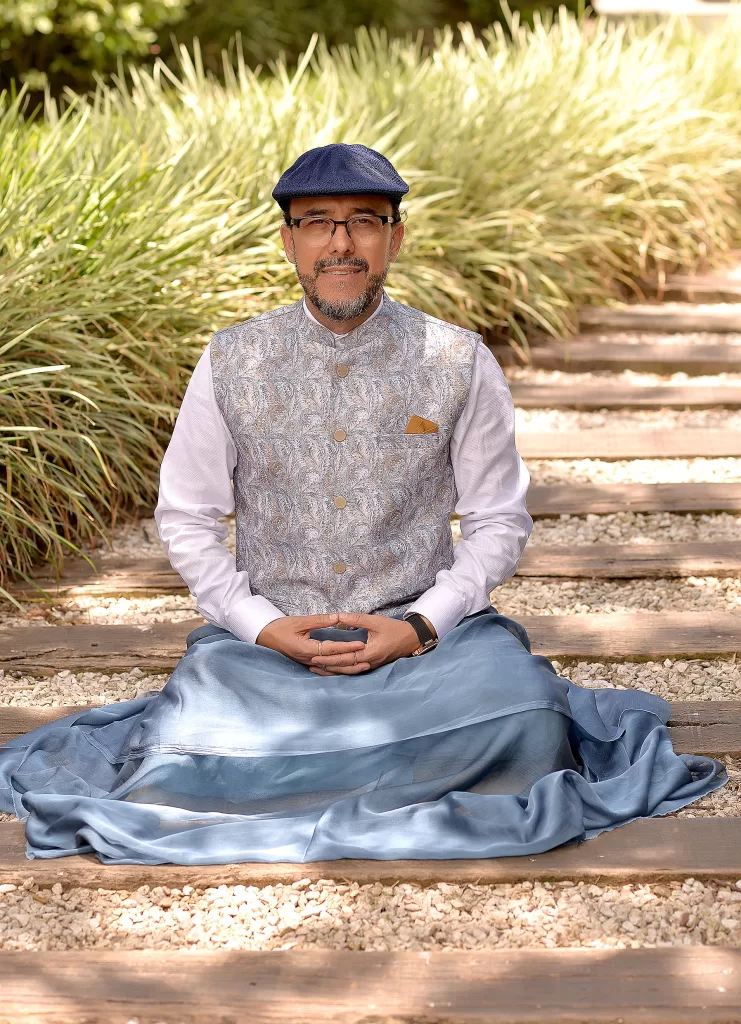
॥ तत्त्व बोध ॥ … Tattva Bodha … By Acharya Tadany
Class 63, Sept 28, 2026
Remarks
Course Completion and Transition Plans
Acharya Tadany announced that this was the final class of the Tattva Bodha course. Due to a busy end-of-year schedule, a new beginner Tattva Bodha course will not start immediately but is planned for January 2027.
Vivekacūḍāmaṇi
For students who wish to continue their studies, Acharya Tadany proposed teaching Vivekacūḍāmaṇi (The Crown Jewel of Discrimination), a more advanced Vedānta text also composed by Śrī Śaṅkarācārya. This text is significantly more comprehensive than Tattva Bodha—topics that take one class in Tattva Bodha may require ten classes in Vivekacūḍāmaṇi.
The text contains approximately 600 verses and takes a couple of years to complete.
Acharya Tadany described it as incredibly detailed, with numerous quotations from the Upaniṣads, and noted that while sometimes very technical and cogent, other parts are extremely poetic and beautiful. These classes will continue on Monday sessions until January, when a new common time will need to be arranged.
Summary
Completing the Final Section of Tattva Bodha
The class completed the final section of Tattva Bodha (page 56-57 in the textbook), focusing on the karma of a wise person (Jñānī). Acharya Tadany explained the three types of karma and their fate for a Jñānī:
- Prārabdha Karma (fructified karma): This karma is exhausted through experience during the Jñānī’s lifetime but no longer affects them.
- Sañcita Karma (accumulated karma): This is completely destroyed upon attaining knowledge (jñāna).
- Āgāmi Karma (future karma, also called Kriyamāṇa Karma): For a Jñānī, this karma is avoided entirely because there is no sense of doership in the Ātman.
At the time of a Jñānī’s death, the remaining karma is zero, which means there are no more cycles of birth and death (saṃsāra).
The Significance of Respecting a Jñānī
Acharya Tadany explained an important suppositional teaching from the śāstra regarding how society should treat a Jñānī or Guru. This teaching involves a carefully constructed argument that begins with a fundamental fact and then introduces a hypothetical scenario for pedagogical purposes.
The First Statement (Fact): A Jñānī does not generate āgāmi karma whatsoever. This is because the Ātman has no sense of doership—there is no kartṛtva (agency of action). This is an absolute fact, not a supposition.
The Second Statement (Supposition): However, for the sake of teaching proper conduct toward a wise person, the śāstra makes a suppositional statement—an assumption with a specific purpose. It says: “Let us assume that a Jñānī’s actions generate puṇya (merit) and pāpa (demerit).” This is purely hypothetical, used to illustrate an important cultural and spiritual principle.
The Water on Lotus Leaves Metaphor: Even in this hypothetical scenario where karma might be generated, the śāstra explains that it would not affect the Jñānī at all. Just as water falls on lotus leaves but never wets them—the water simply slides off without touching the leaf’s surface—similarly, āgāmi karma does not touch or impact the Jñānī. The wise person remains completely unaffected, untouched by any karmic residue.
Distribution of Hypothetical Puṇya: The śāstra then explains what happens to this supposed puṇya generated by the Jñānī. According to the teaching, all the merits (puṇya) of the Jñānī are distributed to those who:
- Stuvanti — glorify or praise the Jñānī
- Bhajanti — serve the Guru, perform sevā (selfless service)
- Arcayati – Worship, revere, and show respect to the wise person
- Perform namaskāra (prostrations) and other signs of reverence
The teaching emphasizes that every act of respect, every prayer, every namaskāra offered to the Guru brings the Guru’s puṇya to the devotee. Essentially, worshiping a Jñānī is highly beneficial and brings only good results to one’s life.
Distribution of Hypothetical Pāpa: Conversely, all the demerits (pāpa) would go to those who:
- Nindanti — criticize or speak ill of the Jñānī
- Dveṣanti — hate or harbor very strong harmful feelings toward the Jñānī
- Disrespect, insult, or scold the wise person
- Perform any hurtful actions or cause harm to the Guru
Acharya Tadany explained that in this hypothetical framework, this supposed āgāmi karma is also referred to as kriyamāṇa karma in certain texts—both terms are synonymous. Any pāpa from this kriyamāṇa karma would transfer to the person who disrespects or harms the Jñānī.
The Purpose of This Teaching: Acharya Tadany emphasized that the śāstra has a dual purpose in presenting this suppositional argument:
- To encourage reverence: Society should respect and revere the Jñānī as much as one reveres Bhagavān (God) himself. This is expressed in the well-known mantra: “Guru Brahmā, Guru Viṣṇu, Guru Devo Maheśvaraḥ, Guru Sākṣāt Param Brahma, Tasmai Śrī Gurave Namaḥ” (The Guru is Brahmā, the Guru is Viṣṇu, the Guru is the Lord Maheśvara, the Guru is verily the Supreme Brahman itself; salutations to that revered Guru).
- To warn against harm: At the same time, the śāstra warns society not to insult, disrespect, or harm a wise person. The teaching emphasizes that one must handle a Jñānī carefully—Acharya Tadany compared it to handling fine China porcelain—because there are karmic consequences for the wrongdoer.
The Jñānī’s Response: Importantly, Acharya Tadany clarified that a Jñānī will never retaliate or seek revenge if harmed. The wise person remains completely unaffected and will not respond with anger or harmful intent. However, according to the law of karma, consequences exist for the person who causes harm—not because the Jñānī wishes it, but as a natural result of one’s own actions.
This entire teaching, while based on a hypothetical scenario, serves to establish the cultural and spiritual importance of respecting those who have realized the Self and to protect both the Jñānī and society from harmful interactions.
Liberation: Place of Death and Jīvanmukti
The Common Belief About Sacred Places: Acharya Tadany addressed a widespread belief in the Vedic tradition and throughout India regarding the place of death. There is a general conviction that if one leaves the body in Kāśī (also known as Vārāṇasī or Benares), one of the most ancient cities in the world, one will have a superior birth in the next life.
Because of this belief, Kāśī is filled with elderly people. Many individuals, particularly those who are close to the end of their lives or suffering from terminal diseases, relocate to Kāśī specifically to die there. There are numerous hospices and houses in Kāśī dedicated solely to hosting people who come to wait until they leave their body in this sacred place. The underlying assumption is that the place of death or place of birth influences one’s next janma (birth).
Relevance Only for the Ajñānī: However, Acharya Tadany emphasized a crucial distinction: the place of death or place of birth is relevant only for an ajñānī (one who has not attained Self-knowledge). For a Jñānī—a wise person who has realized the Self—the place of death has absolutely no influence whatsoever on what happens after death.
The Scriptural Teaching: To support this teaching, Acharya Tadany quoted from smṛti literature (though the exact source text is uncertain, it is from one of the authoritative smṛti texts). The teaching states that a Jñānī may drop his or her body in the most sacred place imaginable, or in the least possible sacred place, and it makes absolutely no difference.
To illustrate the extreme range, the text uses a stark example. On one end, the Jñānī might die in the most sacred location—perhaps in a gurukulam (traditional school), an āśrama, or another holy site. On the other end, the text mentions “śvapacasya gṛham”—the home of a śvapaca (literally, one who cooks or eats dog meat, referring to a caṇḍāla). In the śāstra, this represents the least possible sacred or most unholy place. The teaching spans this entire spectrum: from the holiest to the least holy, and everywhere in between.
Why Place Doesn’t Matter for a Jñānī: The fundamental reason is this: “Jñāna samprāpti samaye muktaḥ”—the person has already attained mokṣa (liberation) at the very moment of attaining jñāna (Self-knowledge), not at the time of physical death. Liberation happens the instant one realizes the truth of the Self, not when the body is dropped.
Because there is no more karmic journey ahead for the Jñānī, there is no next birth to be influenced. As discussed earlier in the class, at the time of a Jñānī’s death, the remaining karma is zero:
- Prārabdha karma has been exhausted
- Sañcita karma has been destroyed
- Āgāmi karma has been avoided
With no karma remaining, there are no more cycles of birth and death (saṃsāra). Therefore, considerations about the quality or sanctity of the death place become completely irrelevant.
Two Stages of Liberation: Acharya Tadany distinguished between two technical stages of liberation:
- Jīvanmukti (Liberation while living): This is attained at the very moment one realizes the truth and gains Self-knowledge. From that point forward, the person is called a Jīvanmukta—liberated while still living in the body. The Jīvanmukta continues to live with the prārabdha karma that is being exhausted, but is no longer affected by it.
- Videha Mukti (Disembodied liberation): This occurs when the Jñānī leaves the physical body. “Videha” means “without body.” At this point, there is no more birth whatsoever. The distinction between Jīvanmukti and Videha Mukti is merely technical—both represent complete liberation, but one occurs while embodied and the other after dropping the body.
Crossing Over Saṃsāra Here and Now: Acharya Tadany emphasized that the Jñānī crosses over the ocean or river of saṃsāra (the cycle of birth, death, and rebirth) and attains Brahmānanda (the bliss of Brahman) ihaiva—here and now, in this very life. There is no requirement for any travel, no need for any spiritual journey after death, no waiting period. Liberation is immediate and complete upon realization.
Supporting Scriptural References: Acharya Tadany cited two important scriptural sources to support this teaching:
- From Śruti (Chāndogya Upaniṣad): “Tarati śokam ātmavit iti śruteḥ” — “The knower of the Self crosses over sorrow.” Here, “śoka” literally means sorrow, sadness, or grief, but in this context refers to saṃsāra itself. The ātmavit (knower of the Self) crosses over saṃsāra even before physical death, and after death remains no longer impacted by saṃsāra or affected by sorrow.
- From Smṛti: “tanuṁ tyajatu vā kāśyāṁ śvapacasya gṛhe’tha vā” The verse about the Jñānī dropping the body anywhere from the most sacred to the least sacred place, with the assurance that “vigata āśayaḥ”—free from all karmic residues and tendencies—the Jñānī is guaranteed liberation regardless of where the body is left.
Through these teachings, Acharya Tadany completed the final topic of Tattva Bodha, demonstrating that for one who has realized the Self, all external circumstances—including the place and manner of death—are utterly irrelevant to the assured state of eternal liberation.
Post-class
Practical Guidance for Students
Preksha asked how to apply Tattva Bodha in daily life after completing the course. Acharya Tadany provided several recommendations:
- Memorization and Understanding: If possible, memorize Tattva Bodha and understand its meaning, as it contains the essence of Vedānta in a comprehensive yet concise form.
- Review Previous Classes: Go back and rewatch the classes from the beginning. With the complete perspective gained from finishing the text, students will notice connections they missed initially and understand why certain definitions were introduced early on. The text has a highly cogent structure where each layer builds upon previous foundations.
- Foundation for Further Study: Tattva Bodha serves as the essential introduction to Vedānta for any committed student (adhikārī). Once this foundation is clear, any Vedānta text—including the highly philosophical Upaniṣads—becomes accessible. Acharya Tadany compared it to learning basic arithmetic operations before studying advanced mathematics.
Closing Prayers and Chants
As this was the final class, Acharya Tadany concluded the session by chanting several sacred prayers:
- Guru Stotram: A beautiful hymn in praise of the Guru’s feet, expressing gratitude for the blessings of the Guru and the entire sampradāya (teaching lineage) that made the completion of this journey possible.
- Śānti Pāṭha (Peace Prayer): A Vedic prayer performed daily in morning pūjās, predominantly for the progress, development, and welfare of all mankind.
The opening and closing invocations chanted throughout the course honored the lineage from Śiva through Śaṅkarācārya to the present Guru, and invoked Sarasvatī, the Goddess of learning and wisdom.
Final Words
With the completion of the final topic on karma and liberation, Acharya Tadany formally concluded the Tattva Bodha prakaraṇam (treatise) with the traditional closing: “Iti Tattva Bodha Prakaraṇam Samāptam” (Thus concludes the Tattva Bodha treatise).
The class ended with blessings and the universal prayer: “Lokāḥ samastāḥ sukhino bhavantu” (May all beings in all worlds be happy), and the Vedic peace invocations: “Om śāntiḥ śāntiḥ śāntiḥ” (Om peace, peace, peace).