Tadany Um refúgio para a alma e um convite à consciência.

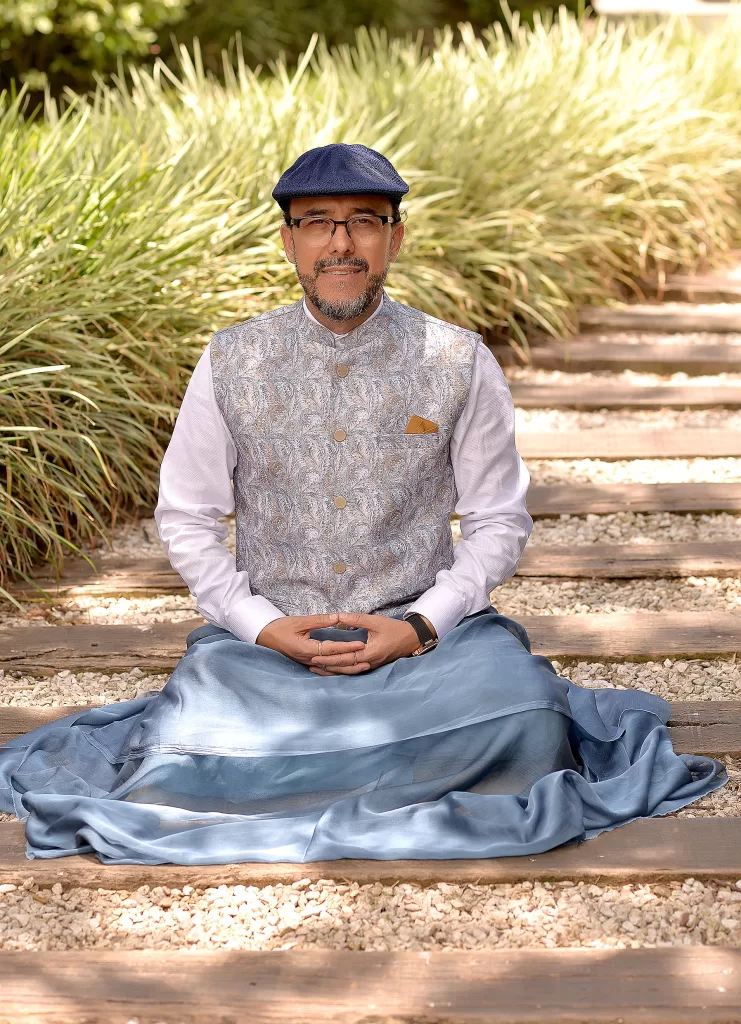
॥ भगवद् गीता ॥ … Bhagavad Gītā …
Chapter 2, Summary – Class 55,
by Acharya Tadany
Aug 14, 2025.
Summary
Vedic Spiritual Practices
The Challenge of Navigating Multiple Sādhanās
Acharya Tadany discussed how the Vedic tradition presents a unique challenge to spiritual seekers. Unlike other religions that offer simpler, more straightforward guidelines, the Vedic tradition contains a vast body of knowledge with numerous types of spiritual disciplines (sādhanās), including:
- Pūjā (ritual worship)
- Japa (mantra repetition)
- Meditation
- Pilgrimage
- Various other practices described across different texts and commentaries
Modern Confusion
Even in modern Indian culture, with abundant spiritual content available through TV, social media, and other platforms, seekers face countless—sometimes contradictory—spiritual practices. Different sources claim different paths to liberation, leaving practitioners confused about which approach to follow.
Conflicting Paths to Liberation
Stories from Hindu Mythology
Acharya Tadany shared various examples from Hindu mythology and traditional stories that illustrate how different individuals attained liberation through seemingly contradictory methods:
- Some through vows of silence
- Others through performing religious duties at home
- Some even through unconventional means (such as the story involving butchering animals)
The Seeker’s Dilemma
The discussion highlighted how spiritual seekers become confused by the numerous conflicting practices and advice available in both traditional stories and modern sources. This raises the critical question: Which spiritual path is appropriate for an individual to follow?
The Importance of Clarity in Spiritual Practice
Understanding Means, Ends, and Intermediary Goals
Acharya Tadany emphasized that a karma yogī must have clear understanding of:
- The ultimate goal (sādhya) – where one is going
- The means (sādhana) – how to get there
- Intermediary goals – the steps along the way
Acharya Tadany used the analogy of traveling from Pune to Delhi, illustrating how intermediary destinations serve the ultimate goal. Without proper clarity about sādhanās and their purposes, practitioners risk misusing or abusing these spiritual practices.
The Danger of Lack of Understanding
Acharya Tadany compared spiritual education to structured fields like artificial intelligence, criticizing the lack of foundational learning in spiritual practices. Without proper understanding of the structure and purpose of religious practices, seekers may become disillusioned or even atheistic.
The Ultimate Goal: Mokṣa (Inner Freedom)
What is Mokṣa?
Acharya Tadany explained that the ultimate goal of a spiritual seeker is mokṣa, or freedom. He clarified that:
- Mokṣa is inherent in every human action and desire
- It represents inner freedom – the state of being happy with oneself
- It means not depending on others for peace and contentment
- Most people struggle to articulate their ultimate life objectives, but mokṣa is the true destination
The Means to Mokṣa: Self-Knowledge through Vedānta
Ātma Vicāra (Self-Knowledge)
Acharya Tadany explained that self-knowledge through Vedānta serves as the direct means to achieve mokṣa. This is not merely intellectual understanding, but a profound realization of one’s true nature.
The Role of Karma Yoga
Before one can pursue self-knowledge effectively, preparation is necessary. Karma yoga serves as this preparation, helping the seeker develop the necessary qualifications (jñāna yogyatā) to receive and assimilate spiritual knowledge.
The path can be understood as:
- Karma Yoga → Develops qualification (jñāna yogyatā)
- Jñāna Yogyatā → Enables pursuit of self-knowledge
- Ātma Vicāra (Self-Knowledge) → Leads to mokṣa
- Mokṣa = attains liberation.
The Need for Systematic Spiritual Education
Structured Approach to Spirituality
Acharya Tadany emphasized the importance of:
- Understanding the structure and purpose of any spiritual practice
- Having clear foundational learning before advancing
- Knowing exactly where each practice fits in the overall spiritual journey
- Avoiding confusion and potential misuse of religious disciplines
Clarity and Purpose
The session concluded with a call for clarity and purpose in spiritual practice. Without proper understanding and systematic guidance, seekers risk:
- Confusion about their spiritual path
- Misuse or abuse of spiritual practices
- Disillusionment with religion
- Abandoning the spiritual journey altogether
Acharya Tadany