Tadany Um refúgio para a alma e um convite à consciência.

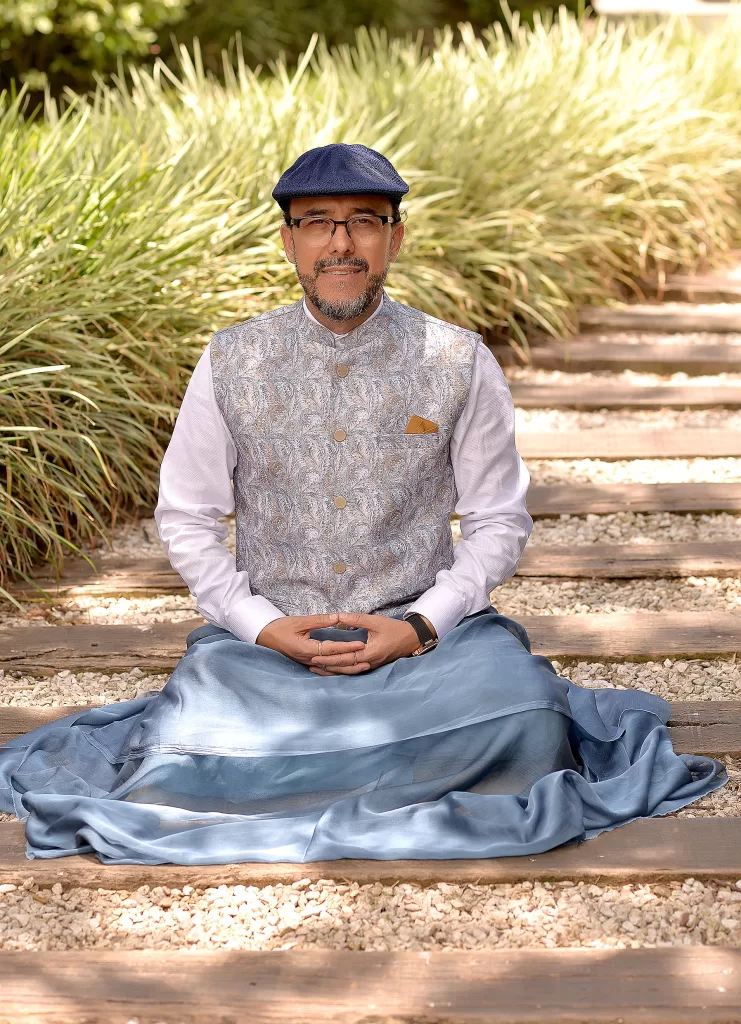
॥ भगवद् गीता ॥ … Bhagavad Gītā …by Acharya Tadany
Chapter 2, Summary – Class 57, Aug 28, 2025.
Summary
In this class, Acharya Tadany provided a detailed analysis of Bhagavad Gita verses 42-44, where Lord Krishna offers a profound criticism of individuals who are predominantly focused on material pursuits. These verses serve as a warning against the imbalance that occurs when people pursue Artha (material wealth) and Kāma (sense gratification) to the complete exclusion of Dharma (righteousness), spiritual growth, emotional development, and intellectual advancement.
The Five Characteristics of Materialistic People
Acharya Tadany explained that Krishna describes five key characteristics of those trapped in materialistic consciousness:
1. Avipashchitaḥ – Those Lacking Discrimination
These individuals lack the ability to discriminate between what is spiritually beneficial and what is merely materially attractive. They cannot distinguish between temporary material gains and eternal spiritual values, making choices based solely on immediate gratification rather than long-term wisdom.
2. Veda Vāda Ratāḥ – Those Attached to Ritualistic Interpretations
This describes people who focus exclusively on the ritualistic portions of the Vedas for material gain. They perform religious ceremonies and rituals not for spiritual purification or devotion, but purely to achieve material prosperity, heavenly enjoyment, or worldly power. Their approach to spirituality is transactional rather than transformational.
3. Nānyad Astīti Vādinaḥ – Those Who Deny Higher Truths
These are individuals who dismiss or reject spiritual topics and higher philosophical truths. They claim “there is nothing beyond this” and refuse to acknowledge the existence of the soul, God, or any transcendent reality. Their worldview is limited to what can be perceived by the material senses.
4. Kāmātmānaḥ – Those Embodied in Material Desires
This term describes people whose entire identity and consciousness are centered around material desires and sense gratification. Their self-concept is completely identified with bodily and mental cravings, leaving no room for spiritual aspiration or higher purpose.
5. Puṣpitāṁ Vācaṁ Pravadanti – Those Who Spread Materialistic Philosophy
Perhaps most concerning, these individuals actively spread their materialistic philosophy to others through attractive and eloquent speech. Acharya Tadany warned that such people can be very persuasive and charismatic, making their materialistic worldview appear appealing and sophisticated. They often discourage others from spiritual pursuits and can negatively influence those around them.
The Balance Between Material and Spiritual Life
Acharya Tadany emphasized an important distinction: Krishna is not criticizing material success itself, but rather the exclusive focus on material accomplishments. While Artha (material prosperity) and Kāma (regulated sense enjoyment) are legitimate pursuits within the Vedic framework, they become problematic when pursued to the complete neglect of:
- Dharma (righteousness and moral principles)
- Mokṣa (spiritual liberation and self-realization)
- Emotional and psychological development
- Intellectual and philosophical growth
The teaching underscores that a balanced life includes material responsibility alongside spiritual aspiration, ethical conduct, and personal growth.
The Danger of Materialistic Influence
A significant portion of the discussion focused on how materialistic people actively try to discourage others from spiritual pursuits. Acharya Tadany explained that such individuals often:
- Present materialism as sophisticated and spirituality as naive or escapist
- Use eloquent and persuasive arguments to make their worldview appear intellectually superior
- Actively ridicule or dismiss spiritual topics and practices
- Create social pressure to conform to purely materialistic values
The lesson highlighted the importance of being selective in choosing friendships and associations, as the company we keep significantly influences our values and worldview.
The Necessity of Bhagavad Gita Study
Throughout the class, Acharya Tadany reinforced that studying the Bhagavad Gita is not optional or merely supplementary—it is a fundamental necessity for both emotional and spiritual growth. Regular study provides:
- Intellectual clarity about life’s purpose and meaning
- Emotional strength to navigate challenges
- Spiritual direction and inspiration
- Protection against materialistic influences
- A framework for balanced living
Q&A after class
During the class, Preksha raised a thoughtful question about how to access the deep spiritual experience and connection that some people naturally feel in temples, especially after having studied the Bhagavad Gita for a year. This question opened an important discussion about spiritual development and expectations.
The Journey of Spiritual Growth: Acharya Tadany’s Response
Acharya Tadany provided a compassionate and realistic explanation of spiritual development, emphasizing several key points:
Spiritual Growth is Proportional and Gradual
Spiritual appreciation and connection develop gradually over time, proportional to one’s awareness, practice, and faith. Just as a child gradually develops understanding and maturity, spiritual consciousness deepens progressively. It is not realistic to expect immediate profound experiences, and comparing oneself to others’ spiritual experiences can be counterproductive.
The Importance of Śraddhā (Faith and Trust)
Acharya Tadany emphasized the foundational role of śraddhā—trust and faith in the spiritual process, the teachings, and the divine. Even when deep feelings are not immediately present, maintaining faith and continuing spiritual practices creates the foundation for future growth. Śraddhā is what sustains us through periods when spiritual experiences seem distant or absent.
Nurturing the Spiritual Connection
Acharya Tadany used the analogy of how children develop a sense of ownership and posclass before learning to let go. Similarly, in spiritual life, we need to first develop and nurture our connection and sense of relationship with the divine before we can deepen it. He encouraged “faking it until making it”—meaning that consistent practice and engagement, even when feelings are not intense, gradually cultivates genuine spiritual experience.
The Value of Proper Practice: Gurukul Memories
Acharya Tadany shared positive memories from his time at Gurukul (traditional Vedic school), particularly regarding the emphasis on proper chanting. This illustrated how correct practice, attention to detail, and a nurturing environment contribute to spiritual development. The suggestion was that quality of practice matters as much as quantity.
Acharya Tadany