Tadany Um refúgio para a alma e um convite à consciência.

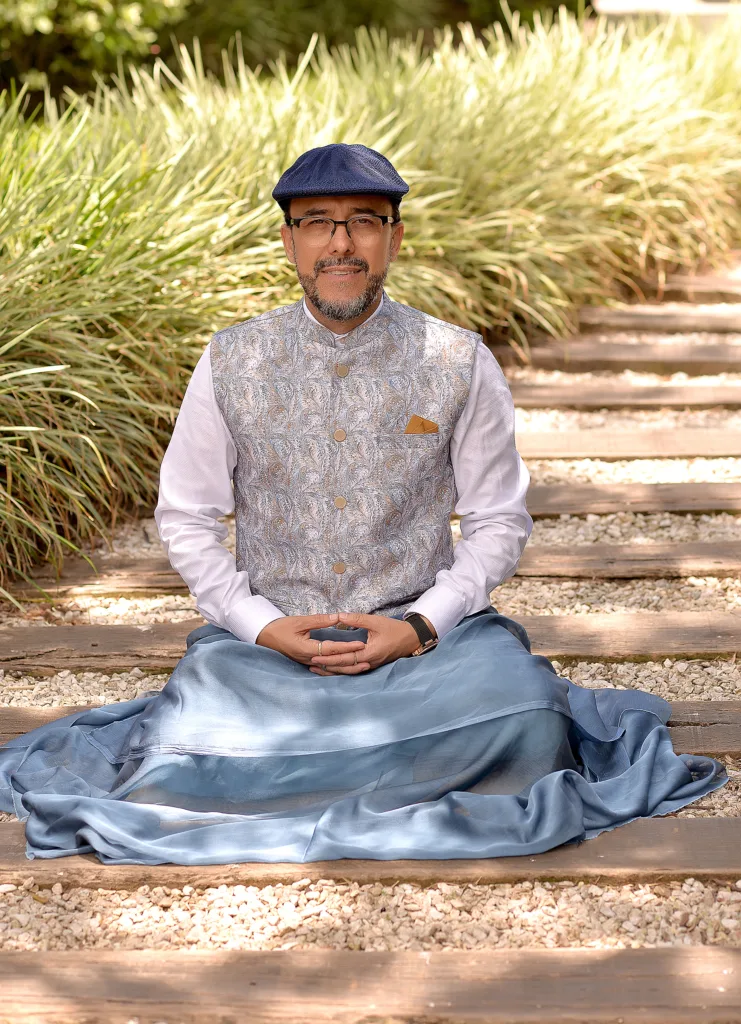
Bhagavad Gītā – Chapter 2, by Acharya Tadany
Summary – Class 53
Date: July 31, 2026.
In this class, Acharya Tadany explored Krishna’s three-pronged approach to guiding Arjuna and the central teaching of Samattvam (emotional balance).
Krishna’s Three-Pronged Approach
Krishna employed a comprehensive strategy to address Arjuna’s crisis from three complementary perspectives:
- Philosophical Perspective (Jñāna) — The eternal nature of the soul and the temporary nature of the body.
- Ethical Perspective (Dharma) — Arjuna’s duty as a Kṣatriya and the moral imperative to uphold righteousness.
- Worldly Perspective (Loka) — Practical concerns about reputation, honor, and the consequences of inaction.
This multi-dimensional approach demonstrates that effective spiritual teaching must address the complete human person — intellect, values, and practical concerns — simultaneously.
The Concept of Samattvam (Emotional Balance)
Samattvam means maintaining a stable, balanced mind in the face of both favorable and unfavorable circumstances. It does not mean emotional numbness, but the capacity to experience emotions without being controlled by them.
Key points:
- A balanced mind enables clear thinking and better decision-making.
- Emotional stability allows one to learn effectively from both success and failure.
- Samattvam is an active practice that requires continuous cultivation.
- It provides the steady foundation necessary for consistent spiritual practice.
As the Bhagavad Gītā teaches, yoga itself is defined as samattvam — equanimity is the essence of spiritual practice.
Q&A After Class
On Ambition in Spiritual Practice
Acharya Tadany clarified that ambition can be positive when directed toward spiritual goals and self-improvement. The key is distinguishing ego-driven ambition from dharma-aligned aspiration, maintaining balance, and managing expectations with patience.
On Meditation Instruction
Acharya Tadany emphasized the traditional sequence of spiritual education: Śravaṇam (systematic listening and study) should precede formal meditation practice. Regular listening to classes (suggested 20 minutes daily) builds knowledge, develops concentration, creates discipline, and prepares the mind for deeper practice.
Key Takeaways
- Effective spiritual teaching addresses the complete person through philosophical, ethical, and practical perspectives.
- Samattvam (equanimity) is central to both spiritual maturity and worldly effectiveness.
- Ambition directed toward higher purposes can be a powerful motivator when balanced with detachment.
- Proper sequencing — beginning with Śravaṇam — is essential for successful spiritual practice.