Tadany Um refúgio para a alma e um convite à consciência.

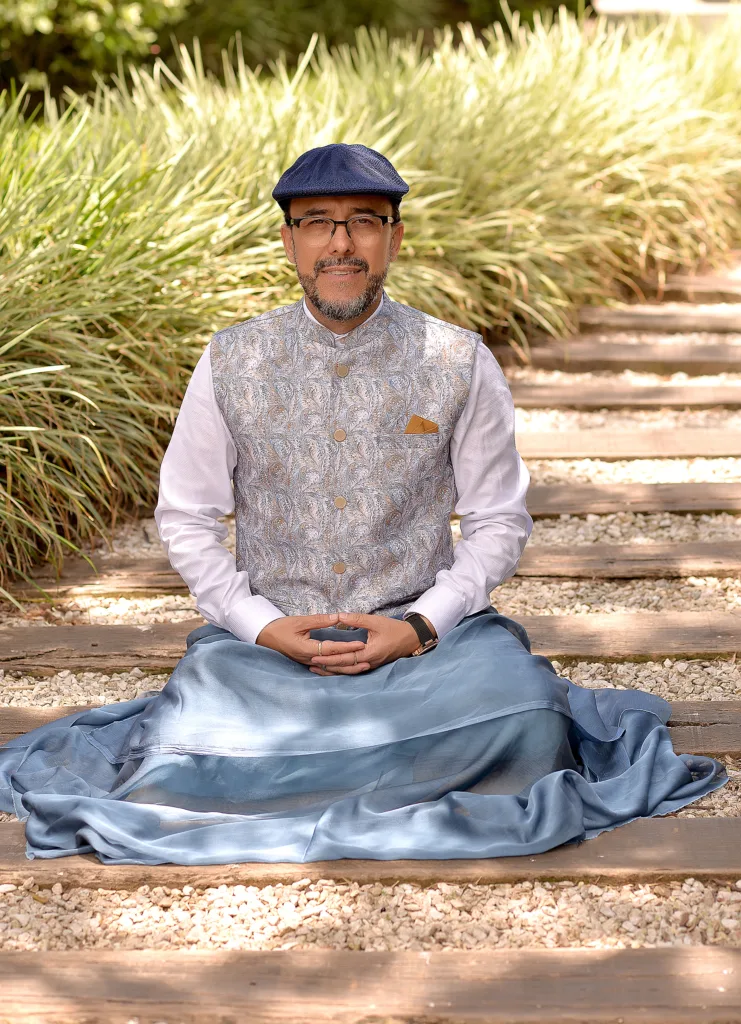
Bhagavad Gītā – Chapter 6, by Acharya Tadany
Summary – Class 217
Date: May 19, 2026
In this class, Acharya Tadany explored nididhyāsanam (deep contemplation and re-perception of reality) and addressed important practical questions about self-acceptance, visualization, and mind management.
Question Before Class: Daily Affirmations & Visualization
A student asked whether affirmations for self-acceptance should be memorized and repeated verbatim. Acharya Tadany clarified that mere repetition is not enough. The real power lies in vivid visualization — actively engaging the imagination to create authentic feelings and sensory experiences, similar to method acting.
Effective practice involves generating real emotional and physical sensations, allowing the subconscious mind to deeply absorb the experience rather than mechanically reciting words.
The Five Levels of Self-Acceptance
Acharya Tadany presented a comprehensive framework for self-acceptance:
| Level | Description |
|---|---|
| Physical | Acceptance of one’s body, appearance, capabilities and limitations |
| Emotional | Acceptance of one’s feelings, emotional patterns and reactions |
| Intellectual | Acceptance of one’s mental capacities, learning style and cognitive strengths |
| Psychological | Acceptance of one’s personality, behavioral patterns and psychological makeup |
| Spiritual | Recognition of one’s true nature as Ātmā (consciousness) beyond the body-mind complex |
Nididhyāsanam: Re-Perceiving Reality
Nididhyāsanam is the process of thoroughly re-seeing oneself and the world through the lens of Vedāntic teaching. It is not just intellectual understanding, but a complete transformation in how one experiences reality.
Using the example of Krishna and the Yadavas from the Bhāgavatam, Acharya Tadany illustrated the wisdom of distinguishing between choice and choicelessness:
- When genuine choices exist → take appropriate action
- When situations are inevitable → acceptance and inner reorientation are the path to peace
Transformation Through Thought Reorientation
True change does not come from trying to control external circumstances or other people, but from transforming one’s own thought patterns. The jñāni attains peace by mastering their relationship with their own mind.
Mind Management in the Bhagavad Gītā
Acharya Tadany reframed the mind as a privilege and blessing, not a burden. The problem lies in the quality of thoughts.
| Type of Vṛtti | Characteristics |
|---|---|
| Rājasic | Disturbing, agitated, jealous, comparative, restless |
| Tāmasic | Delusional, ignorant, confused, denying reality |
| Sāttvic | Peaceful, constructive, clear, wise, truthful |
The path to a praśānta manasaṃ (peaceful mind) involves:
- Reducing rajasic and tamasic thoughts
- Consciously cultivating sāttvic thoughts
True Meditation & Brahmabhūtam
Acharya Tadany clarified common misconceptions about meditation. The goal is not to empty the mind or suppress problems. True meditation is the active re-examination and reorientation of one’s entire life through the teachings.
The highest state is Brahmabhūtam — becoming one with the teaching itself. In this state, identification shifts from the body-mind-sense complex to the Ātmā (pure consciousness). Every thought and action then flows from clarity and wisdom.
Key Takeaways
- The effectiveness of affirmations comes from vivid visualization and emotional authenticity, not rote repetition.
- Self-acceptance must be cultivated at all five levels: physical, emotional, intellectual, psychological, and spiritual.
- Wisdom is knowing when to act and when to accept (choiceless situations).
- Real transformation happens through changing our thought patterns, not by changing the world.
- Meditation is about re-perceiving reality through Vedāntic vision, not escaping it.
- The ultimate goal is to shift identification to the Ātmā and live in the state of Brahmabhūtam.