Tadany Um refúgio para a alma e um convite à consciência.

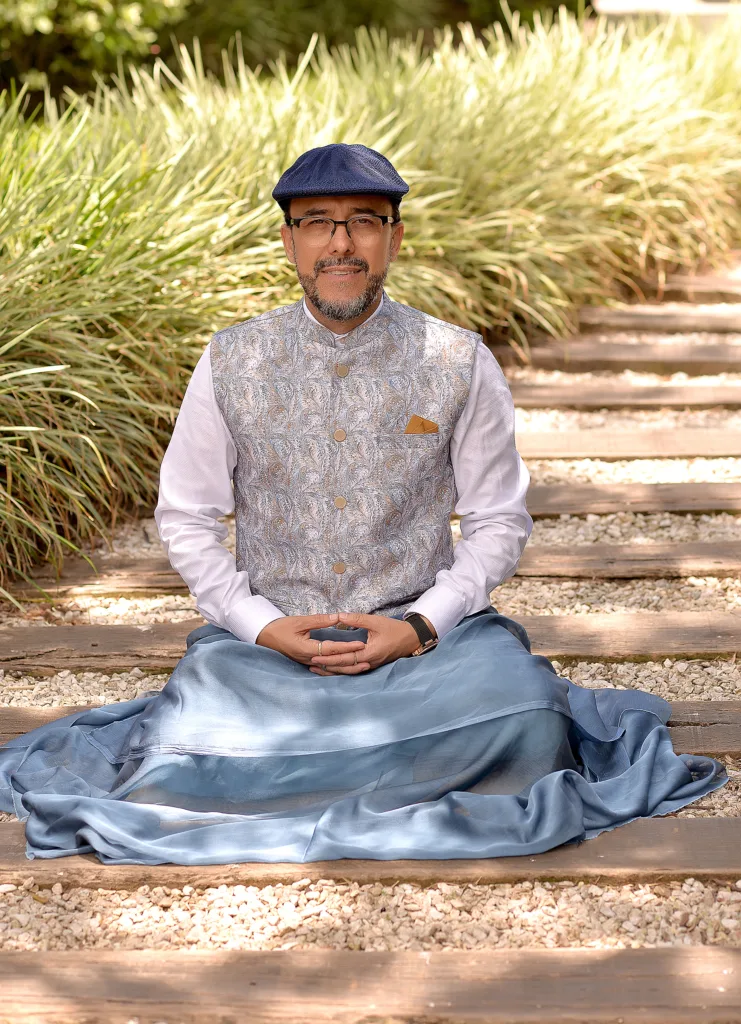
Bhagavad Gītā – Chapter 2, by Acharya Tadany
Summary – Class 44
Date: May 31, 2025
In this class, Acharya Tadany offered a deep exploration of the nature of consciousness (ātmā) and shared practical wisdom on how this understanding can transform everyday relationships, particularly with parents.
The Nature of Consciousness
Acharya Tadany explained the fundamental characteristics of the Self as taught in the Bhagavad Gītā:
- Eternal and Unchanging: The Self exists beyond time — it has no beginning and no end.
- All-Pervading: Consciousness is not limited by space or location; it is present everywhere.
- The Eternal Witness: It remains untouched while observing the constant changes of the body and mind.
He clarified the two levels of reality:
- Empirical Reality (the world of change, birth, and death)
- Absolute Reality (the unchanging consciousness that witnesses all phenomena)
This understanding resolves the paradox of death: the body and mind perish, but the consciousness that animates them is eternal.
Practical Application: Transforming Family Relationships
Preksha raised a heartfelt question about dealing with irritation toward parents. Acharya Tadany offered a transformative perspective:
See your parents first as human beings, not primarily as “parents.”
When we relate to parents through rigid role expectations (“A parent should be wise, patient, selfless…”), we create disappointment and conflict. By recognizing them as fellow human beings — each with their own struggles, limitations, fears, and conditioning — we release unrealistic expectations and open the door to genuine compassion and authentic connection.
This shift doesn’t require the other person to change. It happens entirely through a change in our own perception.
Acharya Tadany also shared his personal experience of applying this teaching in his own life, confirming that it can break long-standing patterns of irritation and bring lasting peace to family relationships.
Key Takeaways
- The eternal, unchanging nature of consciousness forms the philosophical foundation of the Bhagavad Gītā.
- Death affects only the body and mind; the witnessing consciousness remains untouched.
- Spiritual wisdom is not abstract theory — it has direct, practical application in daily life.
- Seeing others (especially parents) as human beings rather than through fixed roles can heal relationships and reduce unnecessary suffering.
- True transformation begins with a shift in perspective.