Tadany Um refúgio para a alma e um convite à consciência.

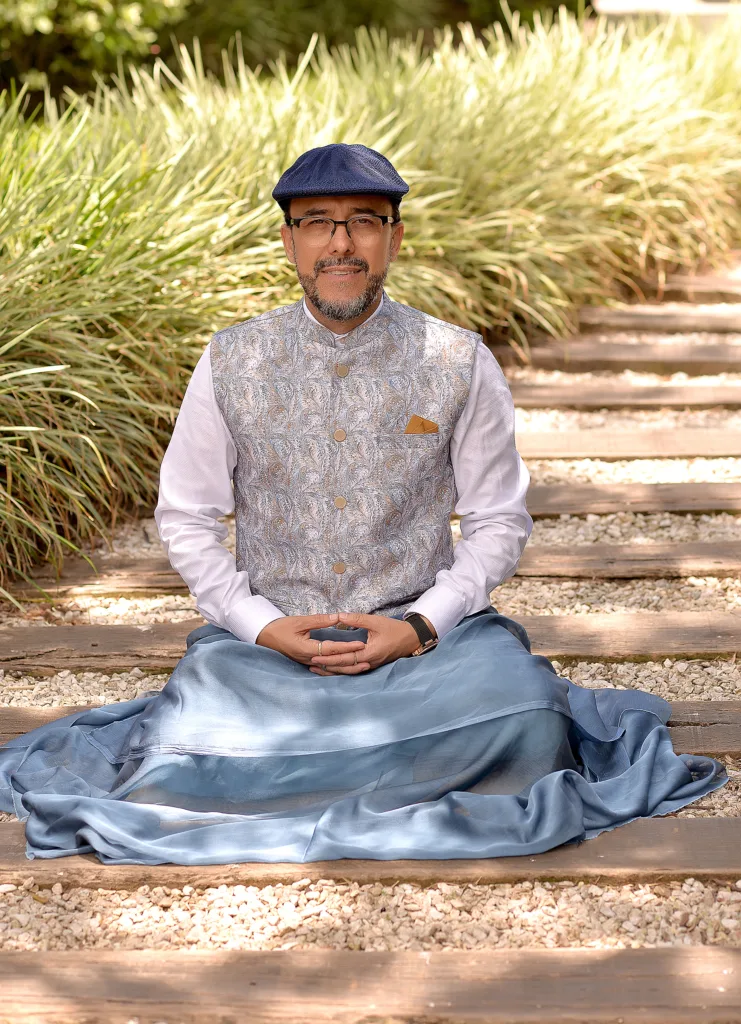
Vivekacūḍāmaṇi – Summary, by Acharya Tadany
Class 128
Date: July 15, 2026
In this class, Acharya Tadany introduced the nature of consciousness (ātmā) and its relationship to the body, mind, and various states of experience.
Five Fundamental Capsules of Vedānta
Acharya Tadany emphasized five essential principles students should remember:
- Consciousness is not a part, product, or property of the body.
- Consciousness is an independent entity that pervades and enlivens the body.
- Consciousness is not limited by the boundaries of the body.
- Consciousness survives even after the body perishes.
- The survived consciousness cannot be interacted with due to the absence of a reflecting medium (the body).
The Word “I” (Aham) and Its Connection to Consciousness
The word “I” (aham) uniquely indicates consciousness. While all other words describe inert objects (jaḍam), only “I” can be used by conscious beings. Over time, “I” has come to refer to a mixture of consciousness and physical/mental attributes. The primary meaning of “aham” is consciousness alone.
The Three States of Experience (Avasthā Traya)
Ātmā serves as the witness (sākṣī) of all three states:
- Jāgrat (Waking) — Mind fully active with external thoughts.
- Svapna (Dream) — Mind active with memory-based thoughts.
- Suṣupti (Deep Sleep) — Mind passive with no thoughts.
Ātmā illuminates both active and passive minds but is never itself subject to activity or passivity.
Ātmā as Witness Beyond the Five Kośas
Ātmā is distinct from the five sheaths (pañcakośas):
- Annamaya Kośa (physical sheath) — Gross body.
2–4. Prāṇamaya, Manomaya, Vijñānamaya Kośas — Subtle body. - Ānandamaya Kośa (bliss sheath) — Causal body.
Ātmā is the witness of all five, not identified with any of them.
How Ātmā “Knows”
Ātmā does not “perform” the action of knowing. Like the sun that naturally illuminates without effort, ātmā is awareness itself — in its presence, everything becomes known.
Key Takeaways
- Consciousness is independent, all-pervading, and survives the body.
- The word “I” primarily refers to pure consciousness.
- Ātmā is the witness of the three states of experience and the five sheaths.
- All human experience is either active mind (thoughts) or passive mind (thoughtless state).
- Ātmā remains unchanged as the illuminator of both.