Tadany Um refúgio para a alma e um convite à consciência.

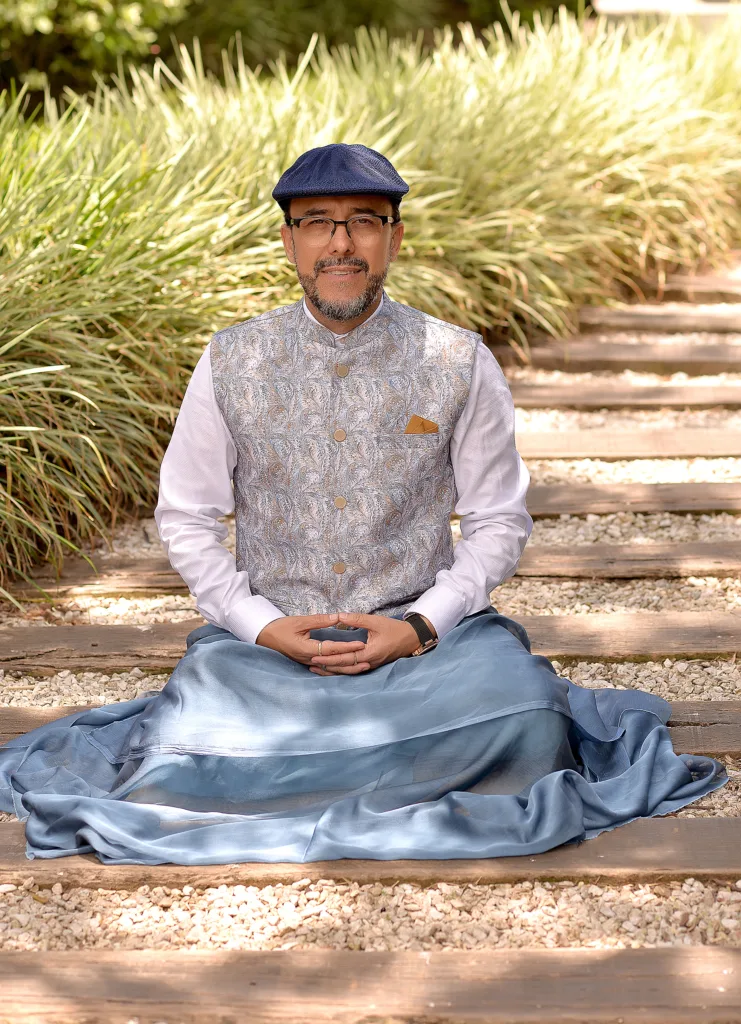
Bhagavad Gītā – Chapter 4, by Acharya Tadany
Summary – Class 188
Date: July 16, 2026
In this class, Acharya Tadany delivered an extensive discourse on the Vedic concept of yajña (sacred rituals and disciplined practices) as taught in the Bhagavad Gītā, emphasizing its relevance for modern living.
Understanding Yajña
Acharya Tadany clarified that yajña is not merely external ritual but represents any spiritual discipline or sacred act performed with the right intention. It is the central organizing principle for human life, connecting individual actions to cosmic order and divine purpose.
The Disciplined Daily Routine
The Vedic tradition prescribes a complete daily routine that sanctifies each moment:
- Morning practices (prātaḥkāla) — Beginning the day before sunrise with prayers and mantras (e.g., Aghamarṣaṇa Sūktam).
- Ritual discipline (nityakarma) — Regular performance of sandhyāvandana, pūjā, and other practices at fixed times.
- Regulated eating (āhāra niyama) — Proper timing, quantity, and quality of food (preferably sāttvic).
- Spiritual study (svādhyāya) — Regular recitation and reflection on sacred texts.
- Evening practices (sāyaṃkāla) — Concluding the day with reflection and preparation for rest.
Benefits of Disciplined Living
A disciplined life following the path of yajña leads to:
- Inner purification (citta śuddhi)
- Physical health and vitality (ārōgya)
- Mental clarity and focus (manaḥ prasāda)
- Spiritual growth and insight (adhyātmika vṛddhi)
- Worldly enjoyment and success (bhukti)
- Ultimate liberation (mokṣa)
Consequences of Undisciplined Living
Acharya Tadany contrasted this with the unfortunate results of rejecting discipline:
- Poor physical health and disease
- Mental disturbance and anxiety
- Loss of true enjoyment
- Spiritual stagnation
- Social and relationship problems
He warned that modern civilization’s rejection of spiritual discipline leads to increasing mental illness and social breakdown despite material prosperity.
Integration of Knowledge and Practice
Understanding these principles intellectually is necessary but not sufficient. They must be implemented through consistent daily practice. Knowledge without practice is like having a map but never taking the journey. Acharya Tadany encouraged students to start small — with morning prayers and regulated eating — and gradually expand their practice. Consistency, not perfection, is the key.
Key Takeaways
- Yajña transforms ordinary activities into spiritual practices.
- A disciplined daily routine sanctifies every moment of life.
- Discipline leads to both worldly success and spiritual liberation.
- The human birth is rare and precious — it should not be wasted in undisciplined living.
- True happiness and mokṣa both require the foundation of disciplined living.