Tadany Um refúgio para a alma e um convite à consciência.

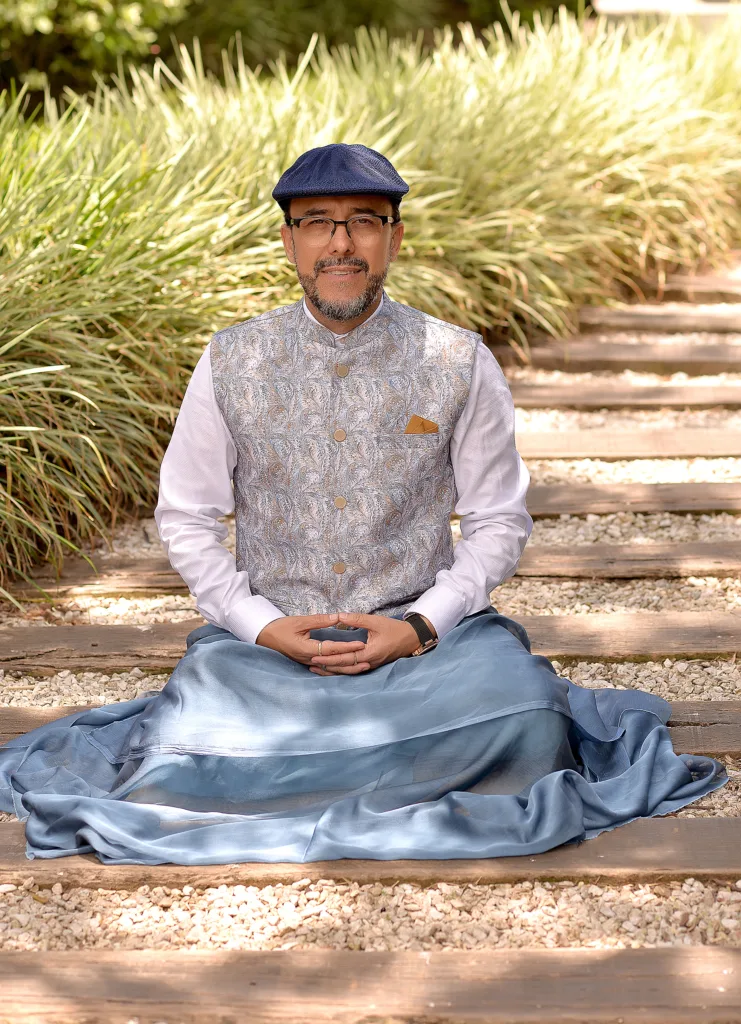
Bhagavad Gītā – Chapter 2, by Acharya Tadany
Summary – Class 51
Date: July 17, 2026
In this class, Acharya Tadany continued exploring Krishna’s teachings, focusing on the two types of wrongdoing (pāpam) and the consequences of inaction, particularly in relation to dharma.
Two Types of Wrongdoing (Pāpam)
Acharya Tadany explained Krishna’s teaching about two fundamental types of wrongdoing:
- Commission (pravṛtti pāpam) — Actively engaging in prohibited or harmful actions (doing what should not be done).
- Omission (nivṛtti pāpam) — Failing to perform one’s prescribed duties (neglecting what should be done).
Both types create negative karmic consequences, either in this life or future lives.
Arjuna’s Dilemma and the Consequences of Inaction
Arjuna’s refusal to fight would constitute omission — failing to perform his duty as a Kṣatriya. Krishna warned of severe consequences:
- Social stigma and loss of standing.
- Permanent dishonor and infamy.
- Spiritual repercussions in future lives.
For a warrior of Arjuna’s stature, living with dishonor would be far worse than dying honorably in battle. Honor and reputation are intrinsically tied to a Kṣatriya’s identity and purpose.
Dharma: Philosophical, Ethical, and Practical Perspectives
Acharya Tadany provided a comprehensive view of dharma:
- Philosophical — Alignment with cosmic order.
- Ethical — Moral responsibility in specific circumstances.
- Practical — How dharma manifests in daily decisions and societal roles.
He emphasized that dharma is contextual. While ahiṃsā (non-violence) is the general rule, exceptions exist in extreme situations to protect righteousness.
Application for Modern Students
These teachings remain relevant today. Students were encouraged to reflect on:
- Identifying their own duties and responsibilities.
- The importance of reputation and integrity.
- Making ethical decisions in difficult situations.
- Balancing personal desires with social responsibilities.
Key Takeaways
- There are two types of wrongdoing: commission and omission.
- Inaction can have serious consequences, especially when it involves neglecting one’s dharma.
- For a Kṣatriya, dying honorably while performing duty is preferable to living with dishonor.
- Dharma must be understood from philosophical, ethical, and practical perspectives.
- Understanding one’s duty and its consequences remains essential for ethical living.