Tadany Um refúgio para a alma e um convite à consciência.

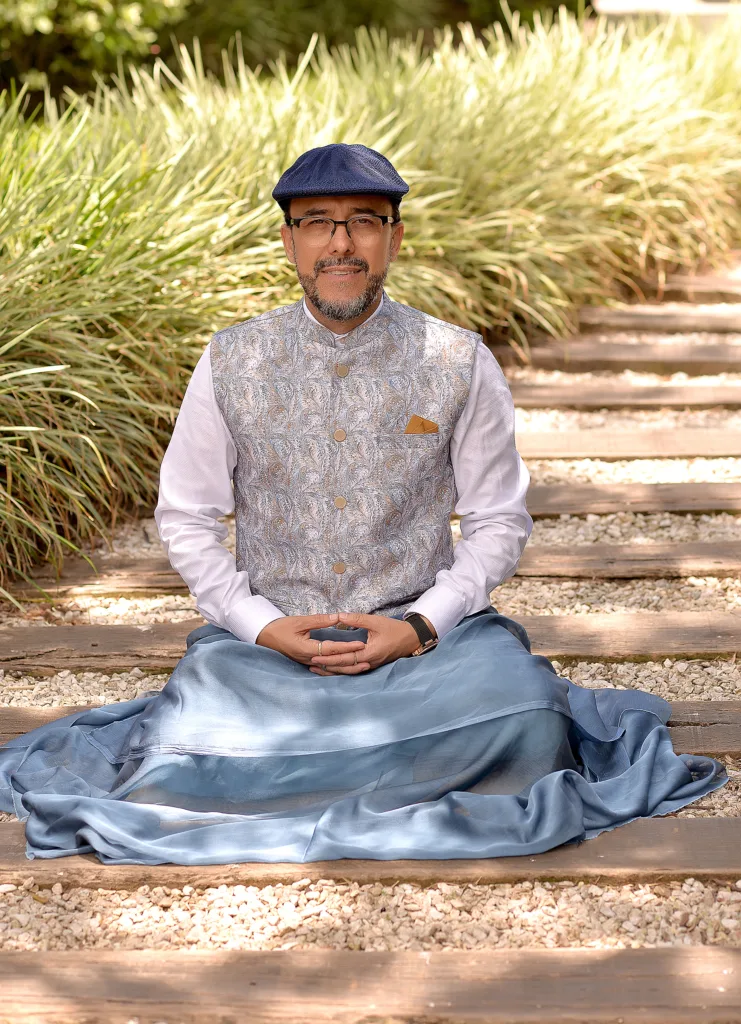
Bhagavad Gītā – Chapter 2, by Acharya Tadany
Summary – Class 49
Date: July 3, 2026
In this class, Acharya Tadany continued the teaching on the nature of the Self (Ātmā Svarūpam), exploring Krishna’s three-level approach to teaching and the importance of ethical principles in spiritual life.
Ātmā and the Physical Body
Krishna teaches the fundamental distinction between the eternal Ātmā and the temporary physical body. The Ātmā is eternal, indestructible, all-pervasive, and absolute truth — not subject to birth, death, decay, or destruction. The physical body, in contrast, is mortal and subject to old age, disease, and death.
Understanding this distinction is crucial for spiritual seekers, as it forms the foundation of Vedāntic philosophy.
Accepting Physical Mortality
Acharya Tadany emphasized that spiritual seekers must accept the reality of death not only for distant beings but also for close relatives and loved ones. While spiritual knowledge cannot eliminate the emotional disturbance caused by loss, it can make death more tolerable and manageable.
One should not grieve excessively over death or misfortunes, as these are natural parts of existence. The focus should be on helping others remain comfortable and happy during their physical life.
Krishna’s Three-Level Teaching Approach
Krishna employs a comprehensive three-level methodology when teaching Arjuna:
- Adhyātmika Dṛṣṭi (Philosophical/Spiritual Perspective) — Deals with the metaphysical nature of reality, the eternal Ātmā, and the temporary nature of the physical world.
- Dharmika Dṛṣṭi (Ethical/Moral Perspective) — Addresses moral duties and responsibilities based on one’s role in society, including both universal dharma and specific dharma.
- Laukika Dṛṣṭi (Empirical/Worldly Perspective) — Deals with real-world consequences, social expectations, and pragmatic considerations.
Dharma and the Role of a Kṣatriya
A significant portion of the class focused on Arjuna’s moral responsibility as a Kṣatriya to fight in a righteous war (dharma yuddha). However, violence should only be used as a last resort, after all non-violent methods have been thoroughly exhausted.
The Five Yamas and Five Niyamas: Universal Ethical Principles
Acharya Tadany highlighted the foundational moral principles from the Yoga Sūtras that form part of sāmānya dharma (universal dharma):
Five Yamas (Moral Restraints):
- Ahiṃsā — Non-violence in thought, word, and deed.
- Satya — Truthfulness balanced with compassion.
- Asteya — Non-stealing.
- Brahmacarya — Control of the senses.
- Aparigraha — Non-possessiveness.
Five Niyamas (Positive Observances):
- Śauca — Purity of body and mind.
- Santoṣa — Contentment.
- Tapas — Self-discipline.
- Svādhyāya — Self-study and scriptural study.
- Īśvara Praṇidhāna — Surrender to the Divine.
These ethical principles provide the moral foundation that supports both philosophical understanding and practical action in the world.
Key Takeaways
- The Ātmā is eternal; the physical body is temporary.
- Spiritual seekers must learn to accept the reality of death with understanding.
- Krishna teaches on three levels: philosophical, ethical, and worldly.
- Universal ethical principles (yamas and niyamas) provide the foundation for righteous living.
- Violence should only be used as a last resort in the pursuit of dharma.