Tadany Um refúgio para a alma e um convite à consciência.

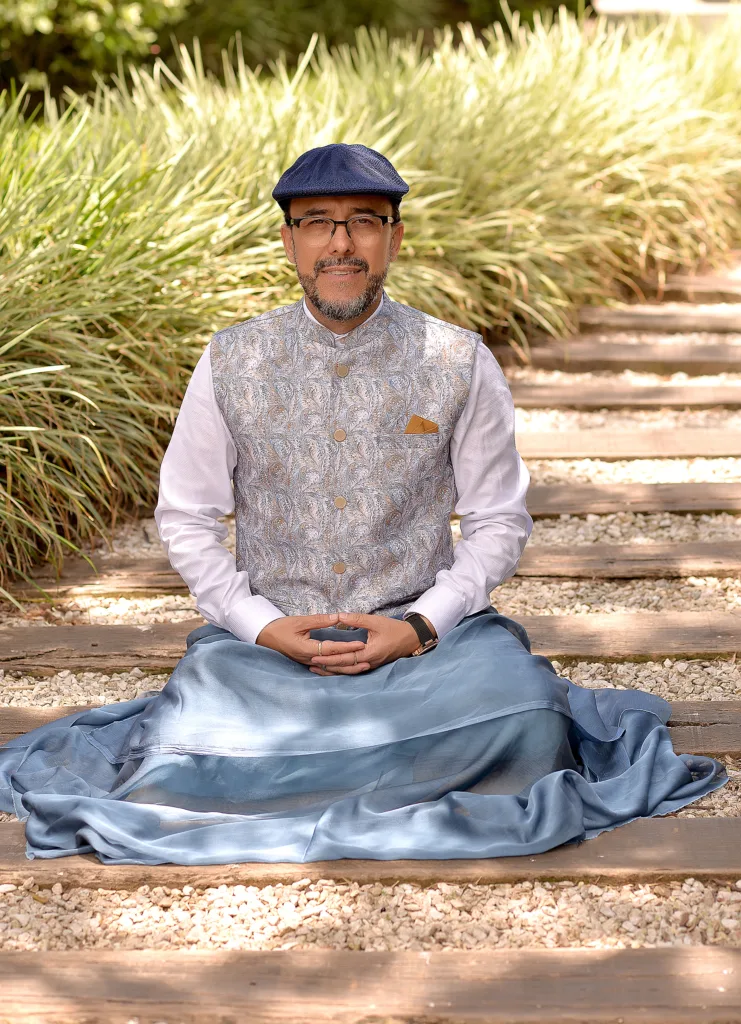
Bhagavad Gītā – Chapter 4, by Acharya Tadany
Summary – Class 180
Date: May 21, 2026
In this class, Acharya Tadany delved into the profound concept of yajñaḥ (spiritual offering) and highlighted jñāna yajñaḥ as the highest form of offering to the Lord.
All Spiritual Practices as Yajñaḥ
Acharya Tadany explained that every spiritual discipline is a form of yajñaḥ — an offering to Bhagavān. This includes:
- Japa (repetition of the divine name)
- Dhyāna (meditation)
- Yoga
- Pilgrimage
- Devotional practices
All these sādhanas are valuable and serve as important stepping stones on the spiritual path.
Jñāna Yajñaḥ: The Highest Offering
While all practices are beneficial, jñāna yajñaḥ (the offering of knowledge) is the highest and most complete form of worship. It involves a deep cognitive transformation:
- Recognizing the true Self (jīvātmā) as distinct from the limited ego
- Shifting identification from the body-mind-sense complex to the eternal, infinite Consciousness (Paramātmā)
- Offering the limited “I” to the higher Self
The Wave and the Ocean Analogy
Using the classic analogy of the wave and the ocean, Acharya Tadany illustrated that the individual self (wave) is never separate from the universal Consciousness (ocean). True offering occurs when the wave recognizes its essential nature as the ocean itself.
The Nine Forms of Bhakti (Nava-vidha Bhakti)
Acharya Tadany presented the nine progressive stages of devotion, which ultimately culminate in Ātmā Nivedanam — complete self-surrender, where the offerer, the offering, and the recipient become one.
These stages represent a vertical maturation:
- From external actions (śravaṇam, kīrtanam, arcanam)
- To internal attitude (smaraṇam, dāsyam, sakhyam)
- To ultimate realization (Ātmā Nivedanam)
Cognitive Transformation
A central teaching of the class was that genuine spiritual growth is not merely behavioral or ritualistic, but a fundamental shift in identification. One continues to fulfill all worldly duties and responsibilities, but without false identification with the body-mind complex. The body may age and face limitations, yet the true Self remains untouched.
Key Takeaways
- All spiritual practices are forms of yajñaḥ — offerings to the Divine.
- Jñāna yajñaḥ is the highest offering: the cognitive shift from the limited ego to the infinite Self.
- True liberation comes not from abandoning the world, but from transforming our relationship with it.
- The ultimate offering is complete self-surrender (Ātmā Nivedanam), where one recognizes the oneness of the individual and the Universal.
“The essence of jñāna yajñaḥ is not merely intellectual understanding, but a complete cognitive shift in self-identification.” — Acharya Tadany