Tadany Um refúgio para a alma e um convite à consciência.

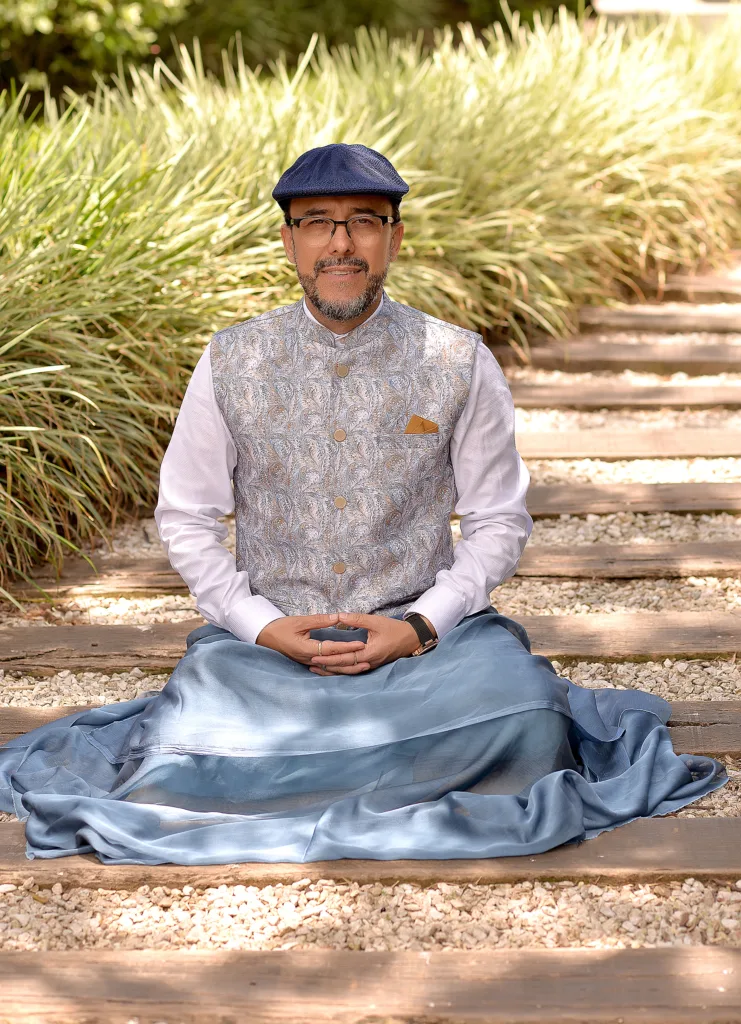
Bhagavad Gītā – Chapter 2, by Acharya Tadany
Summary – Class 43
Date: May 22, 2026
In this class, Acharya Tadany presented a clear and profound exposition on the nature of Ātmā (the eternal Self) according to the Bhagavad Gītā, while addressing important questions raised by Preksha.
The Nature of Ātmā
Acharya Tadany highlighted the fundamental characteristics of the Ātmā as described in the scriptures:
- Eternal (Nitya) — Without beginning or end
- All-pervading (Sarvagata) — Not limited by space
- Changeless (Sthāṇu) — Remains unmodified despite changes in the world
- Indestructible — Cannot be harmed by any physical force
- Beyond the Elements — Unaffected by the five great elements (earth, water, fire, air, space)
Ātmā vs. Physical Body
| Aspect | Physical Body | Ātmā (Self) |
|---|---|---|
| Time & Space | Limited by time and space | Beyond time and space |
| Change | Constantly changing and perishable | Changeless and eternal |
| Elements | Composed of and affected by five elements | Unaffected by any element |
| Destruction | Can be harmed or destroyed | Indestructible |
| Nature | Temporary and bound by cause & effect | Eternal and free |
The five elements (Pṛthvī, Jala, Agni, Vāyu, Ākāśa) shape and eventually dissolve the body, but have no power over the Ātmā.
Questions & Guidance
Preksha’s Questions:
- Can we personally experience the Ātmā?
Acharya Tadany explained that Ātmā is the subject, not an object to be perceived by the senses. It cannot be experienced through sight, sound, or any sensory means. Understanding comes through cognitive transformation via scriptural study, reflection, and inquiry. - If Ātmā is eternal, why does Dharma matter?
Dharma is essential in the relative world where we currently identify with the body-mind complex. It purifies the mind, guides ethical action, and prepares us for the knowledge of Ātmā. Dharma is not negated by the eternal nature of the Self — it is the necessary support for our journey while embodied.
The Path of Understanding
Acharya Tadany emphasized three essential practices for gaining firm knowledge of the Ātmā:
- Śravaṇam — Systematic listening to the teachings from qualified sources (scriptures and teacher)
- Mananam — Deep contemplation, logical reflection, and resolving doubts
- Satsang — Keeping the company of fellow seekers and teachers for mutual support and inspiration
Key Takeaways
- The Ātmā is eternal, indestructible, and ever-free. Weapons cannot cut it, fire cannot burn it, water cannot wet it, nor wind dry it.
- The spiritual journey is not about becoming something new, but recognizing what we already are.
- While the Ātmā is beyond all limitations, Dharma remains relevant as long as we function in the world through the body-mind.
- True understanding arises through cognitive transformation — removing ignorance and shifting identification from the body to the eternal Self.
“The journey of Self-knowledge is not about becoming something different, but about recognizing what we have always been — the eternal, unchanging Ātmā.”