Tadany Um refúgio para a alma e um convite à consciência.

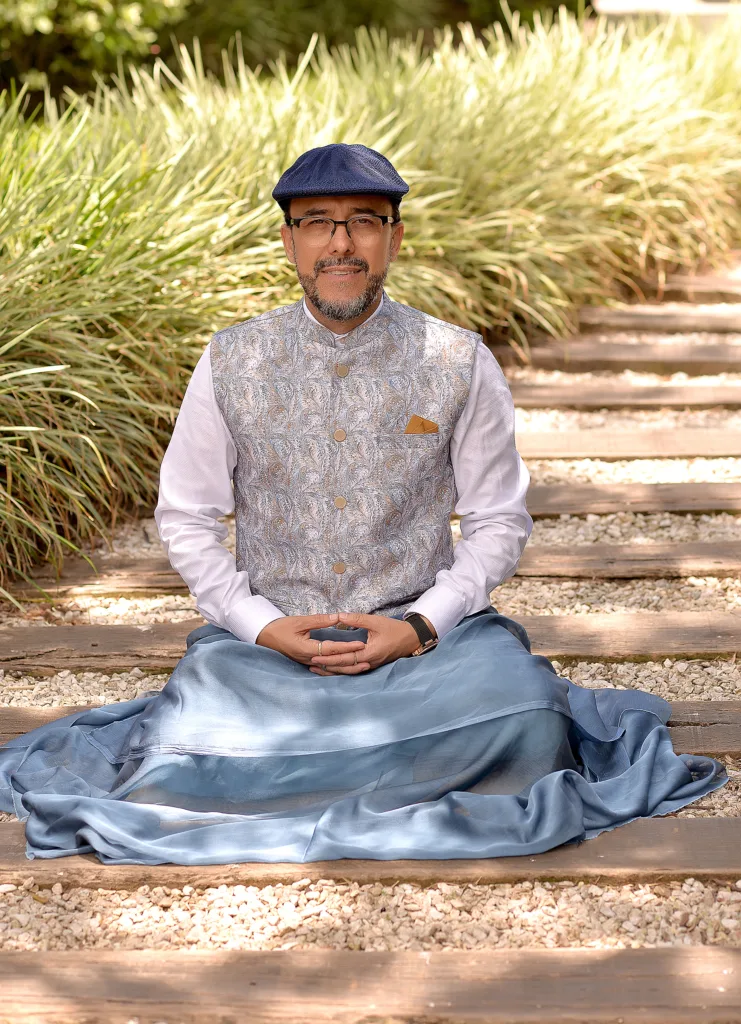
Bhagavad Gītā – Chapter 4, by Acharya Tadany
Summary – Class 183
Date: June 11, 2026
In this class, Acharya Tadany continued the teaching on yajña (spiritual disciplines), with special focus on Tapas and Svādhyāya, while addressing practical questions about attention, concentration, and the integration of spiritual practice.
Questions Before Class: Attention and Meditation
Acharya Tadany clarified that while modern attention spans may appear short in general activities, deep concentration naturally arises when there is genuine interest and motivation. He emphasized the importance of integrating all layers of the personality through Aṣṭāṅga Yoga and explained the progressive stages of meditation:
- Dhāraṇā — Concentration on a single point.
- Dhyāna — Unbroken flow of awareness (meditation).
- Samādhi — Deep absorption, with various levels, culminating in the complete merging of the individual (jīva) with the totality.
Tapas: Willful Self-Discipline
Tapas is not mere deprivation or suffering imposed by circumstances. It is voluntary and intentional self-denial undertaken for spiritual growth and mastery over the senses.
Examples include:
- Conscious fasting (upavāsa) with spiritual purpose
- Pilgrimage vows
- Restraint of speech and senses
True tapas transforms the practitioner, unlike enforced hardship, which does not yield spiritual benefit.
Svādhyāya: Study of the Scriptures
Acharya Tadany stressed the traditional method of scripture study — memorization and internalization — rather than mere intellectual analysis. Memorizing complete texts allows one to see the interconnections and bigger picture, preventing misinterpretation of isolated verses.
Svādhyāya Yajña is the sacred offering of time and effort to internalize divine wisdom.
Synthesis of Vedānta and Yoga
Acharya Tadany encouraged an integrated approach, combining the practical methods of Aṣṭāṅga Yoga with the philosophical depth of Vedānta. The sixth chapter of the Bhagavad Gītā serves as an ideal bridge between these two traditions.
Key Takeaways
- Genuine interest and motivation are essential for sustained attention in spiritual practice.
- Tapas must be voluntary and purposeful to produce real transformation.
- Svādhyāya through deep internalization leads to holistic understanding.
- Spiritual growth requires consistent, regular practice — there are no shortcuts.
- The goal is the integration of all layers of personality and the realization of one’s true nature.