Tadany Um refúgio para a alma e um convite à consciência.

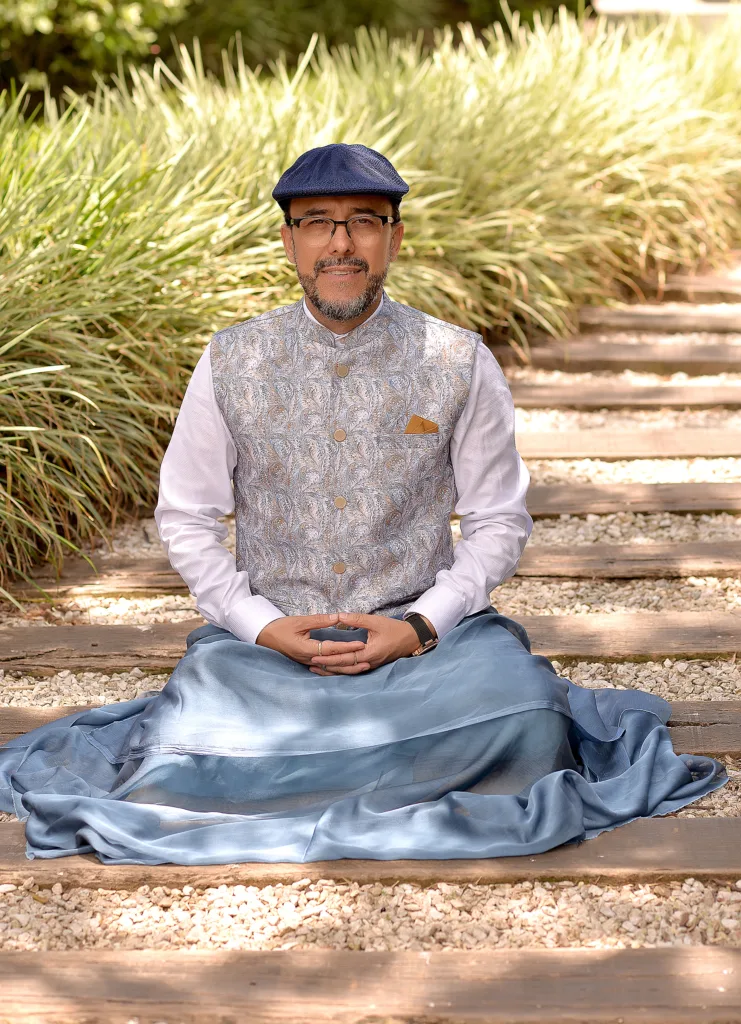
Bhagavad Gītā – Chapter 6, by Acharya Tadany
Summary – Class 218
Date: May 26, 2026
In this class, Acharya Tadany offered a deep and practical exploration of nididhyāsanam (Vedāntic meditation/contemplation), reframing it as a process of removing mental obstacles rather than creating peace or happiness.
Core Teaching: Meditation as Obstacle Removal
Using the powerful Water Tap Analogy, Acharya Tadany explained that:
- Knowledge (jñāna) and inner peace are already present within us, like water in a tank.
- Meditation does not produce peace — it removes the blockages that prevent our natural state of contentment from flowing.
Gradual Transformation
The process of inner change is gradual and requires consistent effort, much like physiotherapy or learning to sit cross-legged. It involves:
- Regular self-observation of thought patterns
- Identifying and releasing disturbing or rajasic thoughts
- Learning to accept choiceless situations with equanimity
- Patiently reorienting the mind toward sattvic thinking
Two Types of Happiness
Acharya Tadany made an important distinction:
- Viṣayānanda — Temporary pleasure derived from external objects and experiences (valid and not to be rejected)
- Brahmānanda — The stable, underlying bliss that arises from connection with our true nature (Brahman)
The wise person enjoys worldly pleasures while remaining rooted in an inner contentment that does not depend on them.
Key Takeaways
- True meditation is not about suppressing thoughts or achieving instant results, but about gradually removing obstacles to our inherent peace (śānti) and bliss (ānanda).
- Transformation happens through consistent, gentle practice and self-reflection.
- Spiritual growth allows us to integrate worldly life with inner freedom, rather than rejecting one for the other.
“Meditation does not fill an empty vessel — it opens the tap so that what is already there can flow naturally.” — Acharya Tadany