Tadany Um refúgio para a alma e um convite à consciência.

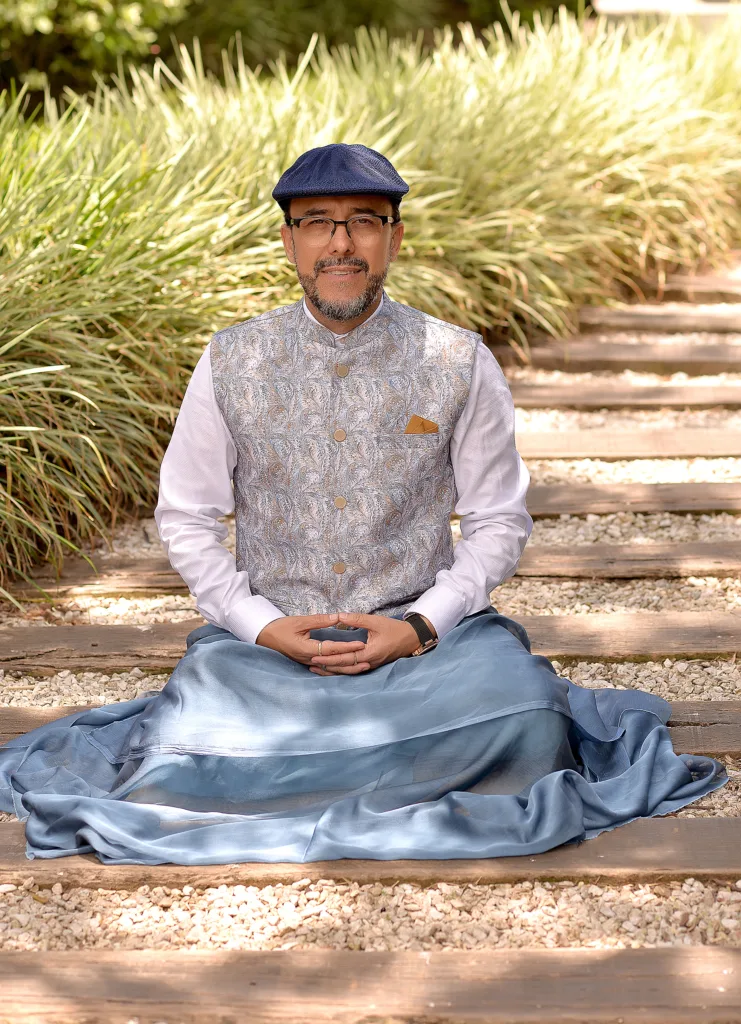
Bhagavad Gītā – Chapter 6, by Acharya Tadany
Summary – Class 221
Date: June 16, 2026
In this class, Acharya Tadany addressed practical ways to handle negative emotions and explored the nature of advanced spiritual practice and the highest form of Bhakti.
Managing Negative Emotions
Acharya Tadany emphasized that suppressing anger and negative emotions is harmful and can lead to unconscious outbursts. Instead, he recommended healthy ways to express and release them:
- Physical release: Banging a pillow, hitting the floor with soaked towels, or crying out loud.
- Written expression: Writing down all feelings without censorship and then burning the paper.
- Vedāntic observation: Maintaining non-judgmental awareness while understanding the root cause of the emotion.
Benefits of Meditation
Meditation brings both immediate and long-term benefits, though they are mostly internal and personal:
- Increased discipline and self-control
- Greater mental calmness and reduced reactivity
- Deeper spiritual clarity and understanding
These changes may be subtle to others but are profoundly experienced by the practitioner.
The Nature of a Jñānī and Highest Bhakti
A liberated being (jñānī) lives in a state of universal identification — seeing God in all beings and all beings in God. In this highest form of Bhakti:
- Distinctions between self and others dissolve.
- Traditional rituals become unnecessary as the connection with the Divine becomes constant and inherent.
- Actions naturally arise from universal compassion and love.
Correcting Misconceptions about Mokṣa
Acharya Tadany clarified that true spiritual realization is not selfish. On the contrary, it leads to universal love and compassion. The enlightened person naturally serves others because they see no separation between themselves and the rest of existence.
The ultimate fruit of spiritual knowledge is:
- Genuine universal love
- Non-dualistic vision (sarvatra ātmā-darśanam)
- Natural, effortless compassion
- Freedom from causing harm to others
Key Takeaways
- Negative emotions should be acknowledged and expressed healthily rather than suppressed.
- Consistent meditation yields profound internal transformation over time.
- The highest Bhakti is the lived experience of oneness with all beings.
- True spiritual realization expresses itself as universal love and compassion, not withdrawal or selfishness.