Tadany Um refúgio para a alma e um convite à consciência.

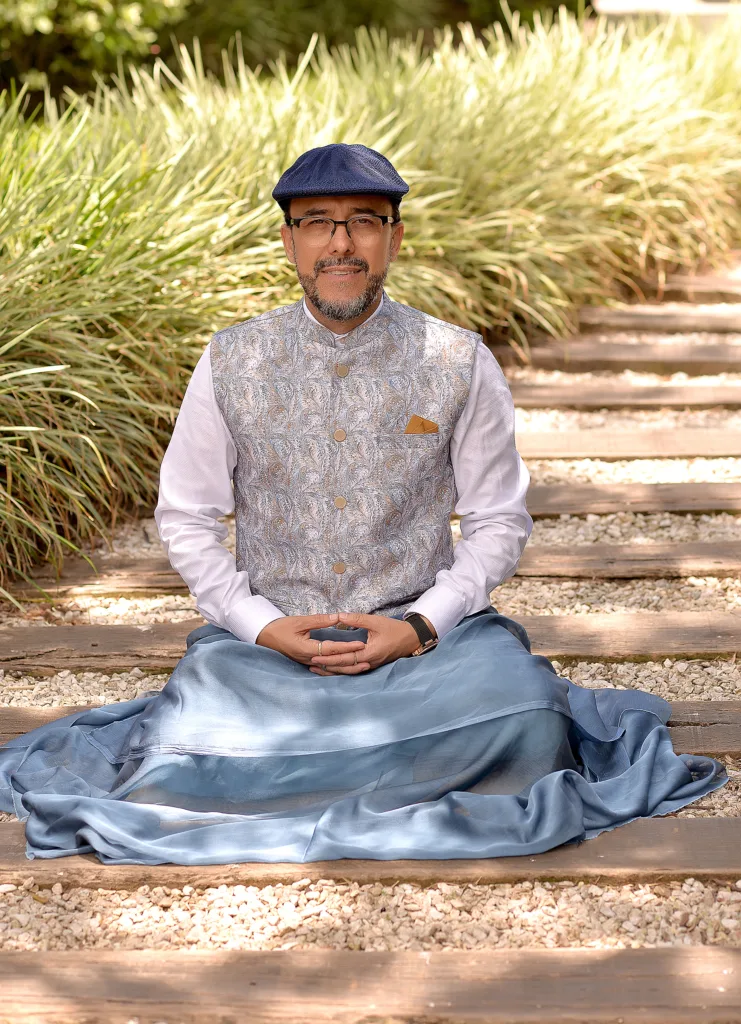
Bhagavad Gītā – Chapter 2, by Acharya Tadany
Summary – Class 50
Date: July 10, 2025
In this class, Acharya Tadany continued exploring Krishna’s teachings, focusing on the distinction between Ātmā and Anātmā, and the ethical framework of dharma.
Ātmā vs Anātmā
Krishna teaches the fundamental distinction between the eternal Ātmā (the immortal soul) and the temporary physical body. The Ātmā is eternal, indestructible, all-pervasive, and beyond birth, death, decay, or destruction. The physical body is mortal and subject to old age, disease, and death.
This metaphysical understanding forms the foundation for overcoming grief and acting with wisdom.
The Ethical Perspective — Dharmic Dṛṣṭi
Krishna shifts to the ethical dimension, addressing Arjuna’s moral responsibility as a Kṣatriya. Ahiṃsā (non-violence) is the general rule (utsarga) for most people. However, exceptions (apavāda) exist in extreme situations (āpad dharma) where violence becomes necessary to protect righteousness.
The Four-Step Process Before Using Violence
Before resorting to force, a Kṣatriya must attempt:
- Sāma — Persuasion and dialogue.
- Dāna — Offering incentives.
- Bheda — Creating divisions or changing alliances.
- Daṇḍa — Punishment or force (only as a last resort).
Dharma and Social Responsibility
Not everyone has the right to punish wrongdoers. According to varṇa dharma, only those entrusted with maintaining law and order (primarily Kṣatriyas) have this authority. Individual vigilantism is not justified.
For a Kṣatriya, dying in battle while fighting for a righteous cause is considered the greatest honor and blessing, guaranteeing entry into heaven.
Questions after Class
- When is it acceptable not to speak the truth? Truth must be balanced with compassion. If speaking the truth causes unnecessary harm and serves no constructive purpose, silence may be more dharmic.
- How to make difficult life decisions? Seek guidance from a guru, wise people, parents, and elders. Ultimately, take responsibility for your own decision.
- How to increase compassion and decrease resentment? Practice non-judgmental acceptance, use tools like meditation, and work on releasing past emotional grip.
- Using AI technology — environmental concerns? Technology is a tool. Focus on using it for beneficial outcomes while maintaining awareness of broader impacts, without excessive guilt.
Key Takeaways
- The Ātmā is eternal; the physical body is temporary.
- Ahiṃsā is the general rule, but exceptions exist in extreme situations to protect dharma.
- Violence should only be used as a last resort after all peaceful methods fail.
- Each person must follow their own prescribed dharma according to their role in society.
- True wisdom involves accepting impermanence while fulfilling one’s responsibilities with clarity.