Tadany Um refúgio para a alma e um convite à consciência.

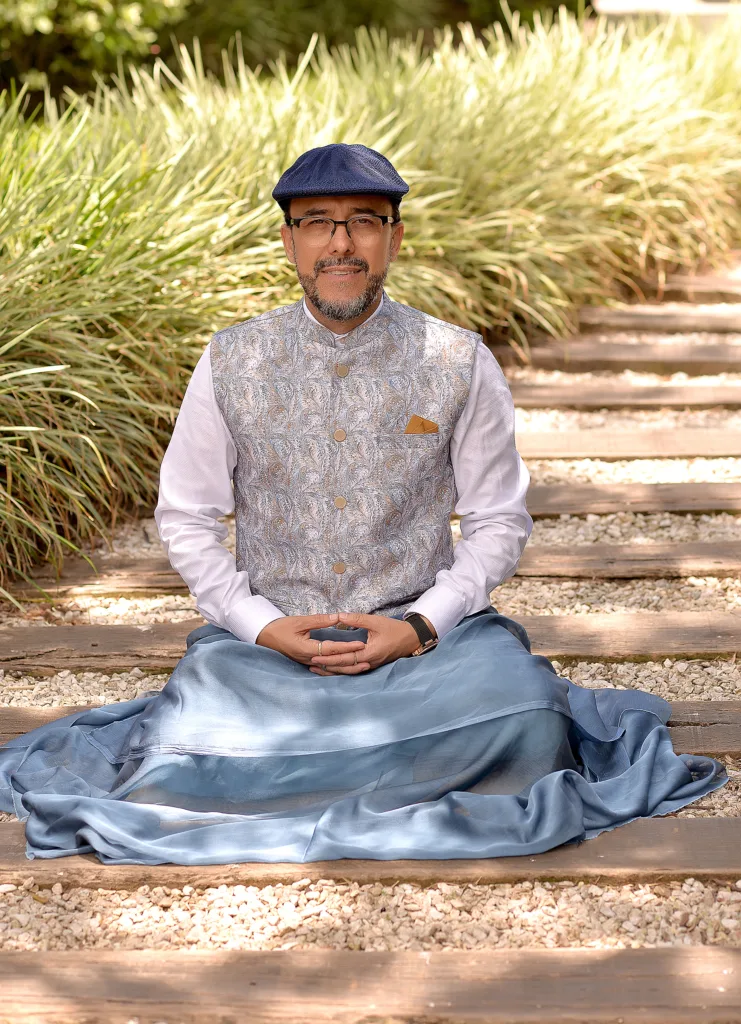
Vivekacūḍāmaṇi – Summary, by Acharya Tadany
Class 127
Date: July 8, 2026
In this class, Acharya Tadany concluded the discussion on anātmā (the not-self) and introduced the next major topic: the nature of Paramātmā (the Supreme Self).
Concluding the Discussion of Anātmā (Ślokas 122–123)
Śaṅkarācārya completes his elaborate analysis by stating that the entire universe — including the gross, subtle, and causal realms — is anātmā. Everything experienced as “this” (idam) belongs to the not-self.
Understanding “Asat” / Mithyā
Asat does not mean non-existent or completely illusory. It means mithyā — that which does not exist independently but has dependent, practical reality. Like a wooden desk: we use it and experience it, but its substance is only wood; “desk” is merely name and form (nāma-rūpa).
The Mirage Analogy (Maru-Marīcikā-Kalpam)
The world is like a desert mirage — experienced and appearing real, but upon deeper inquiry, it resolves into consciousness alone. No matter what one achieves in the world, it cannot provide lasting fulfillment, peace, or happiness.
Consciousness vs Energy
Consciousness is not a form of energy. Energy is a subtle form of matter (jaḍa), subject to modification. Consciousness is nirvikāra (unchanging) and cetana (sentient). This distinction is crucial to avoid mistaking energetic practices for the path to Self-realization.
Śakti: Two Aspects
Vedānta recognizes two aspects of Śakti:
- Cit-Śakti (Caitanya-rūpā) — Consciousness principle (Ātmā) — this is sat (real).
- Jaḍa-Śakti (Jaḍātmikā) — Matter principle (Prakṛti) — this is asat (mithyā).
Viveka: The Paradigm Shift
The teaching leads to viveka (discriminative knowledge) — recognizing that anātmā cannot provide psychological security or happiness. This is a fundamental cognitive shift: turning from seeking fulfillment in the world toward Ātmā as the only source of lasting peace.
Practical Application: Vairāgya and Purposeful Living
Vedānta does not advocate renouncing worldly pursuits. One can continue to achieve goals, but with the correct understanding that anātmā cannot provide ultimate fulfillment. This wisdom naturally leads to vairāgya (dispassion) through clear vision.
Introduction to Paramātmā (Śloka 124)
Having completed the question “What is anātmā?”, Śaṅkarācārya now introduces the second main topic: the nature of Paramātmā. Knowing this leads to liberation from all bondage (mokṣa) and the attainment of kaivalya (non-duality).
Key Takeaways
- The entire universe, including Māyā and all its products, is anātmā.
- Only consciousness (Ātmā/Brahman) is ultimately real (sat); matter is mithyā.
- The mirage analogy shows that worldly accomplishments cannot provide lasting fulfillment.
- The discrimination between Ātmā and Anātmā (ātma-anātma viveka) is the foundation of spiritual progress.